
10 Things All Visitors to Japan Should Know
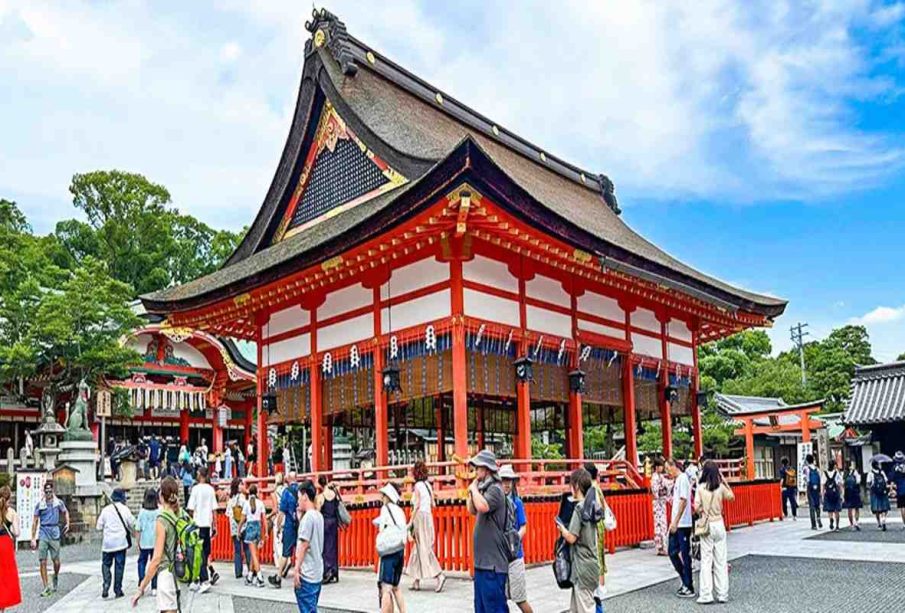
Many visitors to Japan arrive with images of ancient temples, bright city lights, and world-famous food. Those highlights certainly exist, but what often leaves the strongest impression is the country’s everyday order and courtesy.
Streets appear spotless even though trash bins are rare. Trains arrive almost exactly on schedule. Restaurants deliver attentive service without asking for tips.
These experiences come from cultural habits that guide how people behave in public and private spaces. Japanese society places great importance on harmony, respect, and awareness of others. Because of this, many social rules are understood rather than written down.
For travellers, these customs may feel unfamiliar at first. However, understanding them makes it easier to move through the country comfortably. When visitors to Japan make small efforts to respect these traditions, locals usually appreciate the gesture.
Here are ten cultural practices that many residents hope visitors to Japan understand before they arrive.
1. Mind Your Chopstick and Bowl Manners
Chopsticks are used for most meals in Japan, and they come with several important etiquette rules. One of the most significant is never placing chopsticks upright in a bowl of rice.
This position resembles a ritual used during funeral ceremonies, where incense is placed upright, so doing it at the table can feel uncomfortable for people around you.
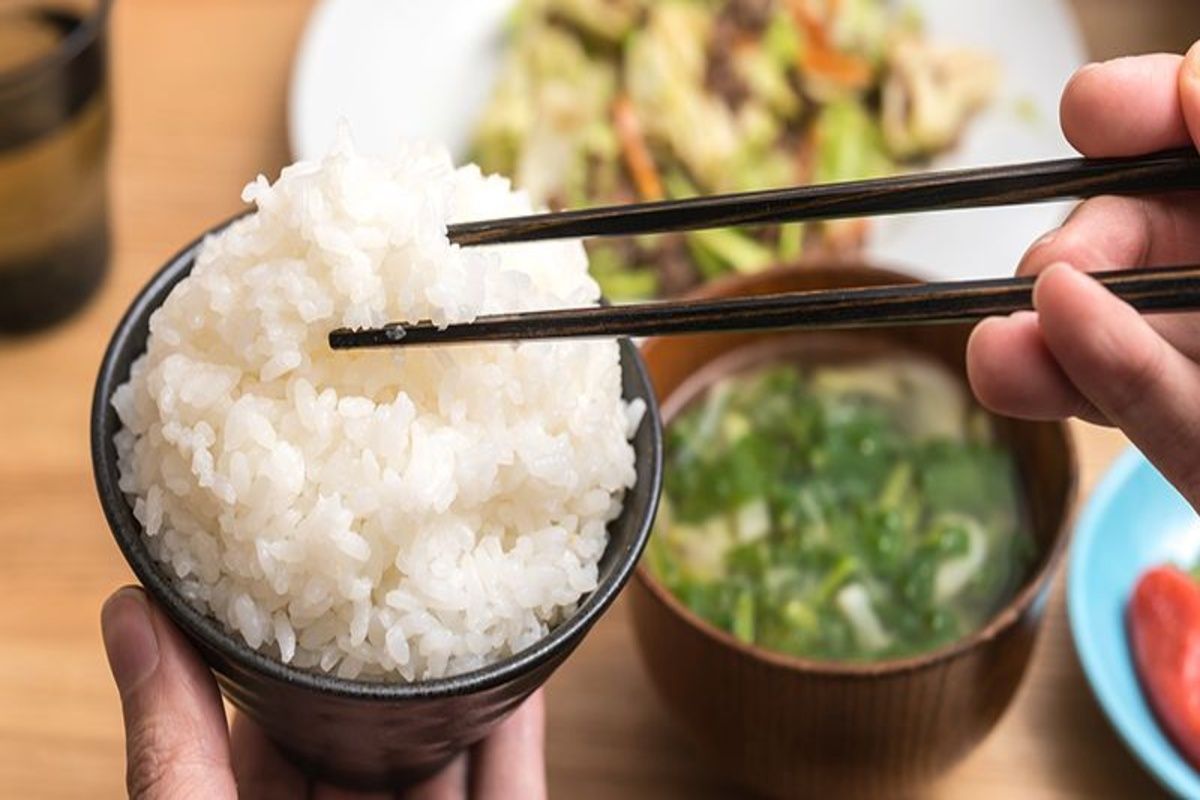
Passing food directly from one set of chopsticks to another should also be avoided. This action is linked to funeral traditions as well.
When chopsticks are not in use, they should be placed on the chopstick rest provided at the table. If there is no rest available, laying them neatly across the bowl is acceptable.
Another dining habit involves how bowls are handled. In Japan, it is normal and polite to lift your rice or soup bowl closer to your mouth while eating. Leaning down toward the table instead can appear less refined. These small gestures help visitors to Japan show respect for traditional table manners.
2. It Is Okay to Slurp
One dining custom that surprises many travellers involves noodle dishes. In many countries, making noise while eating is seen as poor manners. In Japan, slurping noodles is widely accepted and even encouraged.
The custom dates back to the Edo era, when soba noodles were a popular quick meal sold by street vendors. Slurping helped people cool down the hot noodles while enjoying the aroma of the broth at the same time.
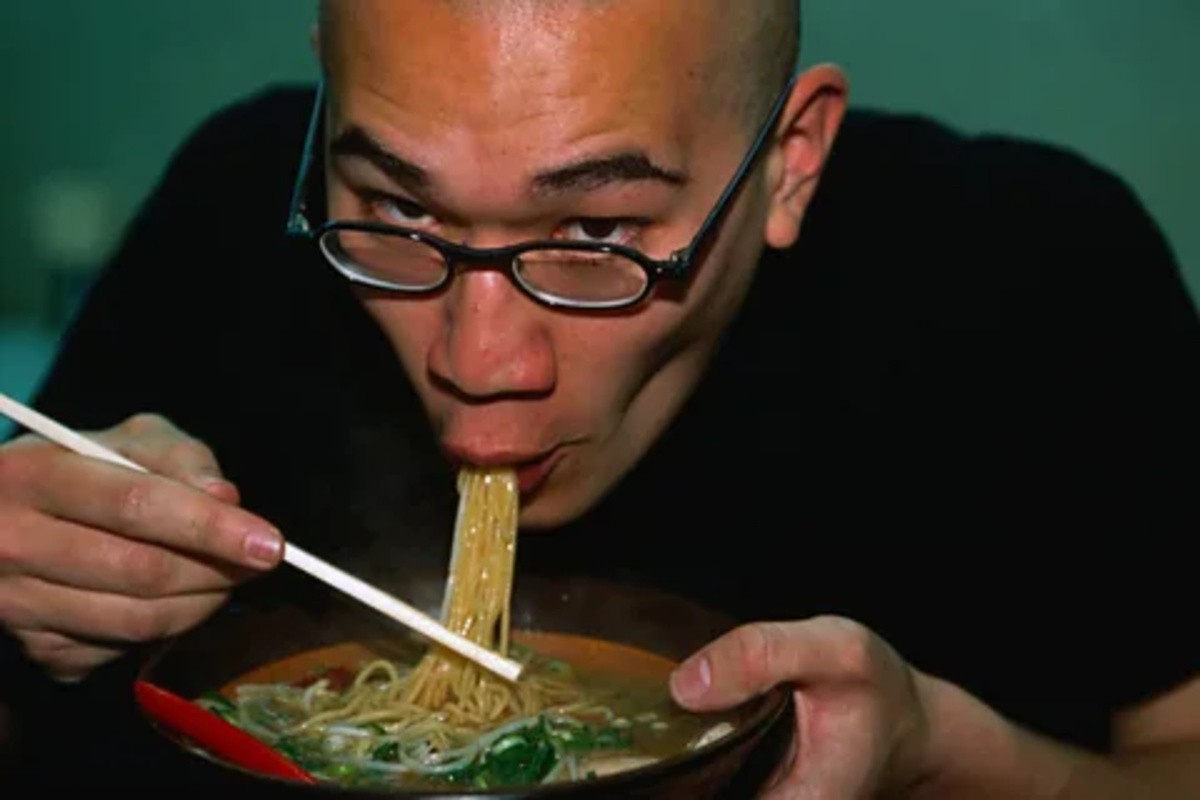
Even today, slurping is common when eating ramen, udon, or soba. It allows the noodles and soup to mix together and enhances the flavor of the dish.
For visitors to Japan, understanding this tradition removes the worry about making noise while enjoying a bowl of noodles.
3. Restaurant Lingo
While travellers are not expected to speak Japanese fluently, knowing a few common phrases can make dining smoother.
In casual restaurants such as ramen shops or curry houses, guests often call out “sumimasen” to politely get a server’s attention. The phrase simply means excuse me.
If you want to order a drink, “nama hitotsu” will request one draft beer. Adding “onegaishimasu” makes the request more polite.
Japanese dining culture also includes expressions of appreciation. Before eating, many people say “itadakimasu,” a phrase that expresses gratitude for the food and those who prepared it. After finishing, people often say “gochisousama,” which means thank you for the meal.
Using these phrases allows visitors to Japan to participate in the spirit of hospitality that surrounds meals.
4. Leave No Noodle or Yen Behind
Restaurant etiquette in Japan may differ from what travellers are used to at home. One major difference is the absence of tipping. Leaving extra money is not customary and may actually cause confusion. Good service is considered a natural part of the job.
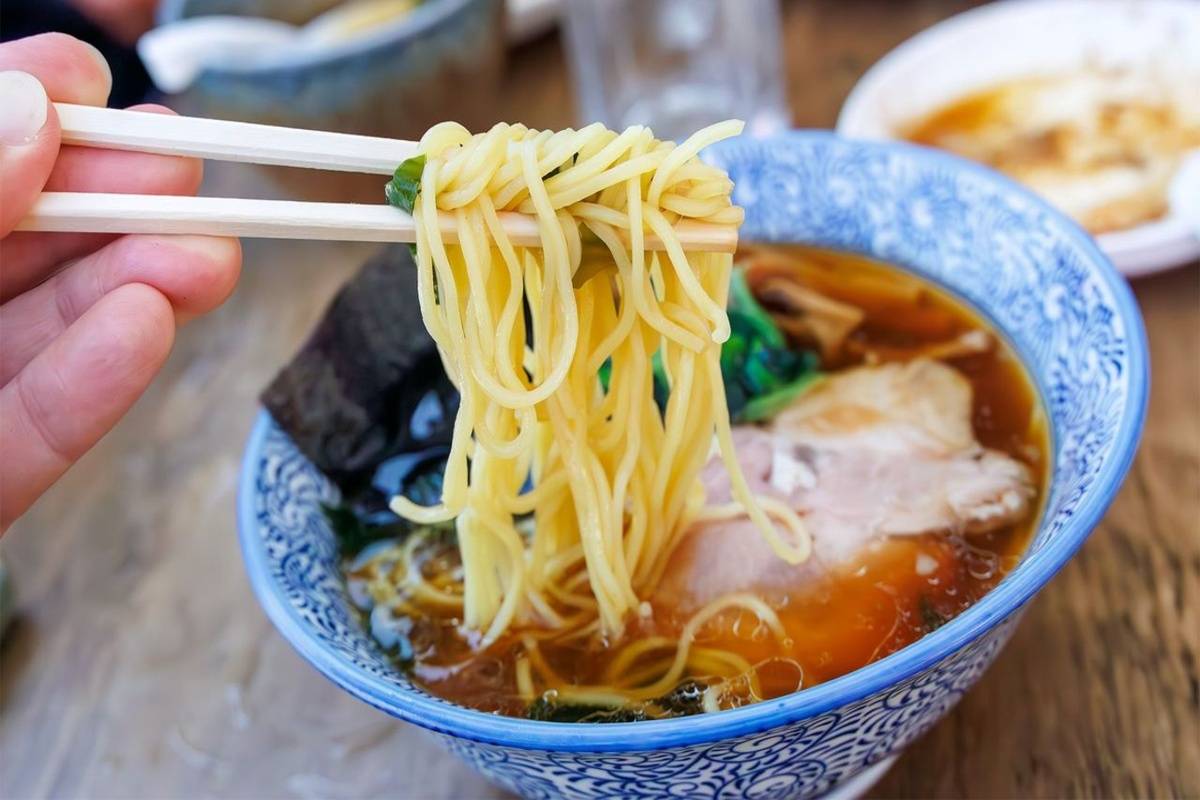
Another point to keep in mind is food waste. In some countries, leaving food behind suggests that a guest is satisfied. In Japan, finishing your meal is generally seen as the more polite choice.
Taking leftovers home is also uncommon in many places. Because of this, it is wise to order carefully and add extra dishes only if you are still hungry. These habits help visitors to Japan respect the value placed on food.
5. No Need to Respond to “Irasshaimase.”
When entering a restaurant, shop, or café in Japan, staff will often greet customers with a loud and cheerful “irasshaimase,” which means welcome.
In busy eateries or izakaya pubs, several employees may say it at the same time. The greeting is energetic and intended to acknowledge every guest entering the space.
Travellers do not need to respond verbally. The phrase is more of a formal welcome than a conversation starter. Replying may actually feel awkward for the staff.
A simple nod or smile is more than enough.
6. Turn Down the Volume on Public Transport
Japan’s transportation system is known for being clean, punctual, and highly efficient. At the same time, it is treated as a calm shared environment.
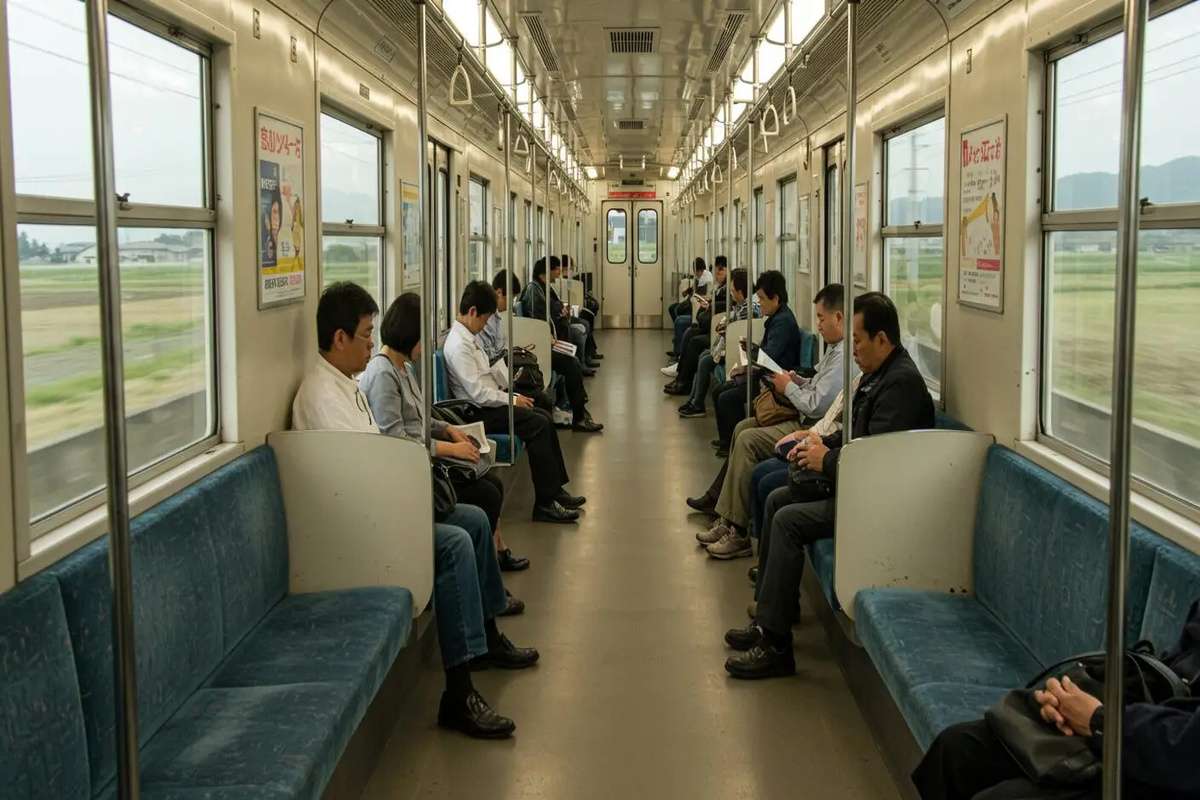
Passengers generally avoid loud conversations, and phone calls are discouraged while riding trains or buses. Most people keep their phones on silent mode and use headphones when listening to music or watching videos.
If a call comes in, many commuters wait until they step off the train before answering.
By following this quiet atmosphere, visitors to Japan help maintain the peaceful experience that locals value during their daily commute.
7. Public Snacking Is Limited
Eating while walking along the street is not very common in many Japanese cities. The same applies to eating on local trains or buses.
Instead, people often pause near the place where they purchased food or find a bench in a nearby park before eating.
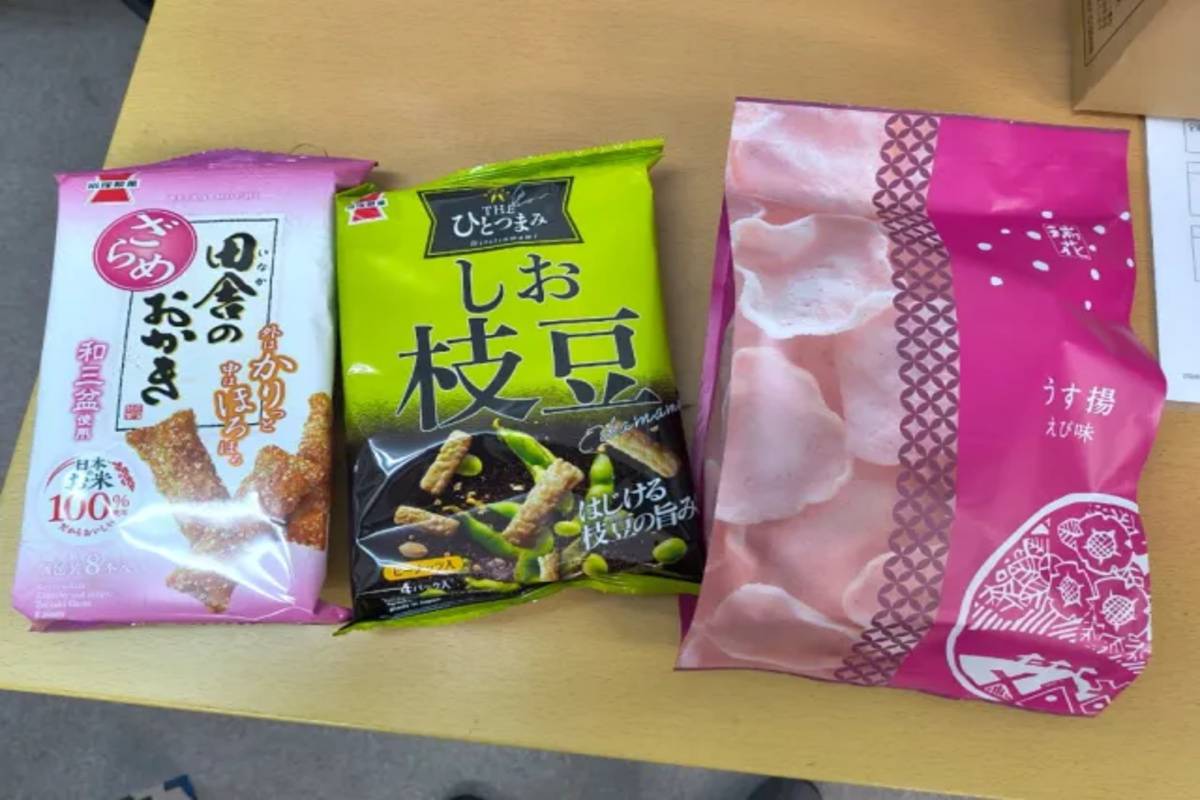
There are exceptions. Long-distance trains such as the Shinkansen are designed with travel meals in mind. Bento lunch boxes are commonly sold at train stations and enjoyed during the journey.
Recognizing these differences helps visitors to Japan adapt to local habits.
8. Hold On to Your Rubbish
One of the most surprising things travellers notice in Japan is the lack of public trash bins. Yet despite this, streets remain impressively clean.
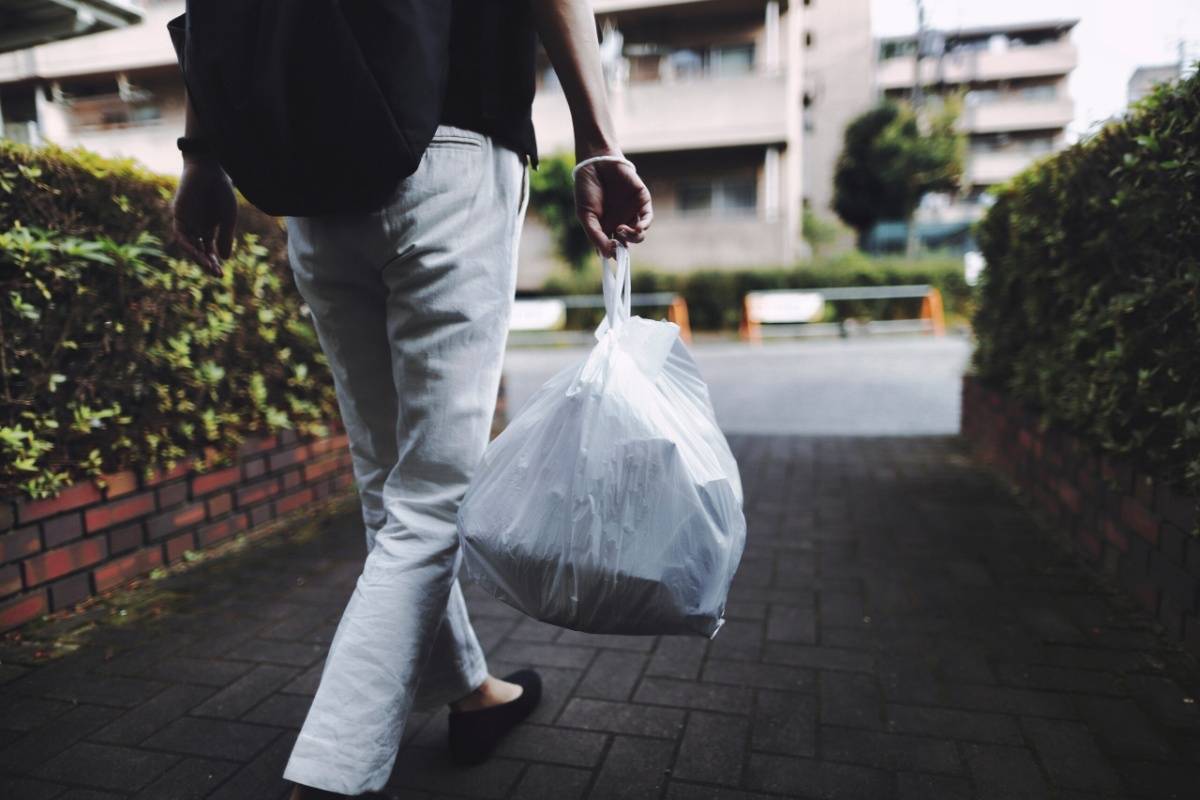
The reason lies in a strong sense of shared responsibility. People typically carry their trash with them until they can dispose of it at home.
If you really need a place to throw something away, bins can sometimes be found at convenience stores, train stations, or beside vending machines.
For visitors to Japan, keeping a small bag for wrappers or bottles can make it easier to follow this practice.
9. Hot Tips for Hot Springs
Hot springs, called onsen, are an important cultural tradition across Japan. These baths are valued for relaxation and are often located in scenic areas.
Before entering the bath, guests must wash and rinse their bodies thoroughly at the shower stations. This keeps the shared water clean.
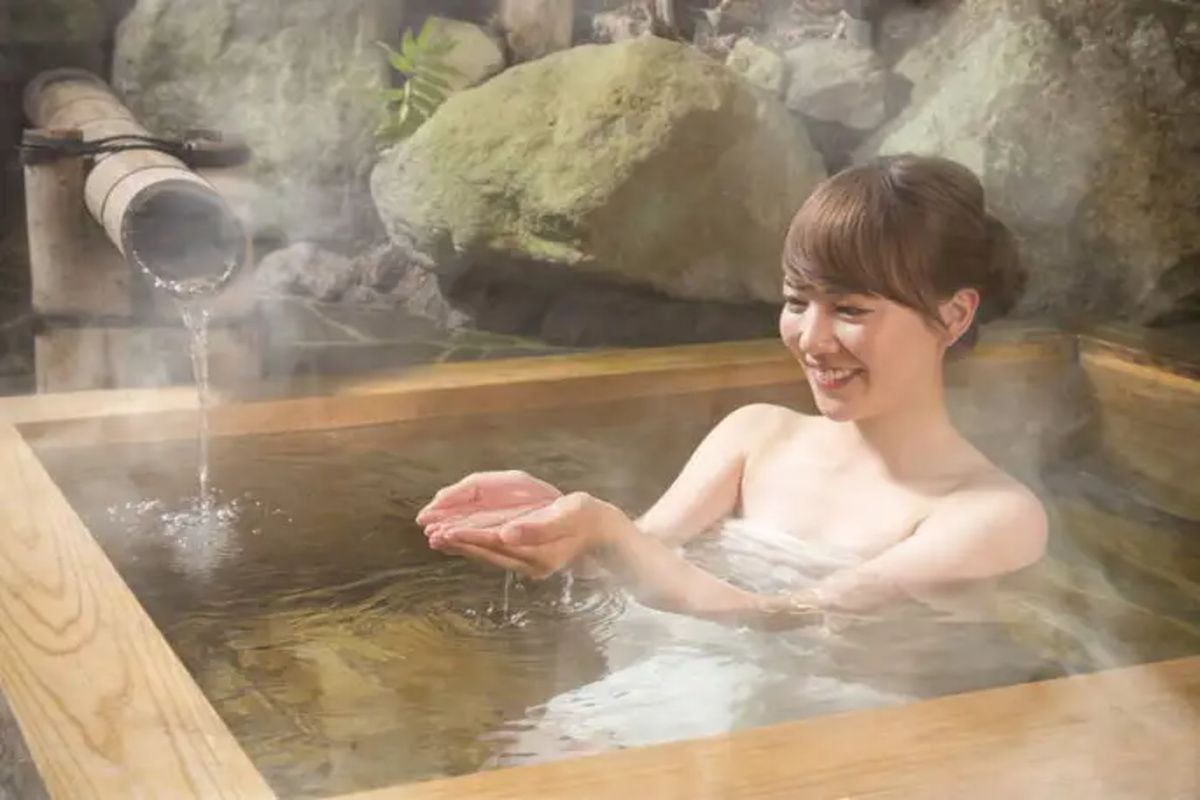
Another detail that surprises many travellers is that most onsen are enjoyed without clothing. Bathing suits are usually not worn.
Guests with long hair should tie it up so it does not touch the water. Some facilities may also have rules regarding tattoos because of historical links to organized crime groups, though many tourist-friendly locations have begun relaxing these restrictions.
10. Don’t Escalate Traffic
Large train stations and shopping centers in Japan often include long escalators. Even here, there is a clear pattern of movement.
In Tokyo and many eastern regions, people stand on the left side of the escalator and leave the right side open for those who wish to walk.
In Osaka and much of western Japan, the pattern is reversed. People stand on the right and walk on the left.
When unsure, simply watch what others are doing and follow the flow.
A Thoughtful Way to Travel
Travelling through Japan becomes far more enjoyable when you understand the customs that guide everyday life. These habits reflect a culture built on respect, awareness, and shared responsibility.
No visitor is expected to follow every rule perfectly. What matters most is the effort to be considerate.
Keeping these traditions in mind helps visitors to Japan experience the country in a deeper and more meaningful way.
Save this guide and share it with a friend planning a trip to Japan.



Leave a reply


 It seems that Mr. Bridgerton is not the only one swept up in a romance#bridgerton #bridgertonseason400:23
 Mr and Mrs Bridgerton #bridgerton #penelope #theprimemag00:07
 That classic sibling energy where "I’m sorry" actually means "I’m going to do it again #zendaya00:19
 The groom is here #robertpattinson #thedrama #edwardcullen #moviepremiere #funnymoment00:36
 #rihanna and #asaprocky looking great in #paris #theprimemag00:20
 #ElizabethOlsen and #AnthonyMackie on the red carpet00:09
 #SelenaGomez stepped out for the Rare Beauty Matte Foundation launch on Thursday00:17
 #cardib performance yesterday in #vegas #Valentines2026 #lustremagazine00:11
 #CardiB #WholesomeChaos #ProtectTheCrow #FunnyMoment #CelebrityMoments00:07
 They never told you about this Golden Globes gaffe with #JenniferLopez and #JeremyRenner00:11
 #bridgerton #netflix #trending #viral #misspossy #bridgertonseason401:17
 He definitely got it🤩🔥#onechallenge #thewoahchallenge #tiktok #dancetrends #hiphop #dancers00:18
 Oh No! 😂 #funny #relatable #trending #memes00:08
 #LeBron has made a major impact off the court his commitment to education and his community01:01
 😂😂 #memes #baby #fun #funny #trending00:08
 The only time #Shaq really went one-on-one with #LeBron #shaquilleoneal #lebronjames00:29
 Shaq did this on live tv… 😂 #shaq #insidethenba #charlesbarkley #shaquilleoneal #nba00:17
 You just know Kendrick’s heart dropped before he laughed 😭 #shaq #ShaquilleO’Neal00:10
 #nickiminaj or #cardib . That’s a tough one for #50cent 😂00:13
 #sofiavergara in #ModernFamily: #Sofía #Sitcom #FamilyComedy #funny #TVSeries01:00
 #SofíaVergara when asked about arrest on #TheEllenDeGeneresShow 😂00:20
 #Steve Harvey and #shaq on an episode of Family Feud #funny #theprimemag00:57
 #CillianMurphy fake laugh became the focus of the conversation on Jimmy Kimmel Live #theprimemag00:15
 Moment #KatyPerry surprised Benjamin Glaze with a kiss during his American Idol 2018 audition00:37
 #SelenaGomez and music producer #BennyBlanco00:13


The Prime is a dynamic publication delivering the latest in entertainment, lifestyle, culture, sports and world news, bringing sharp insight, fresh perspectives and stories that matter to a global audience.
