
Air Strike Kills Iran Intelligence Minister, Esmail Khatib
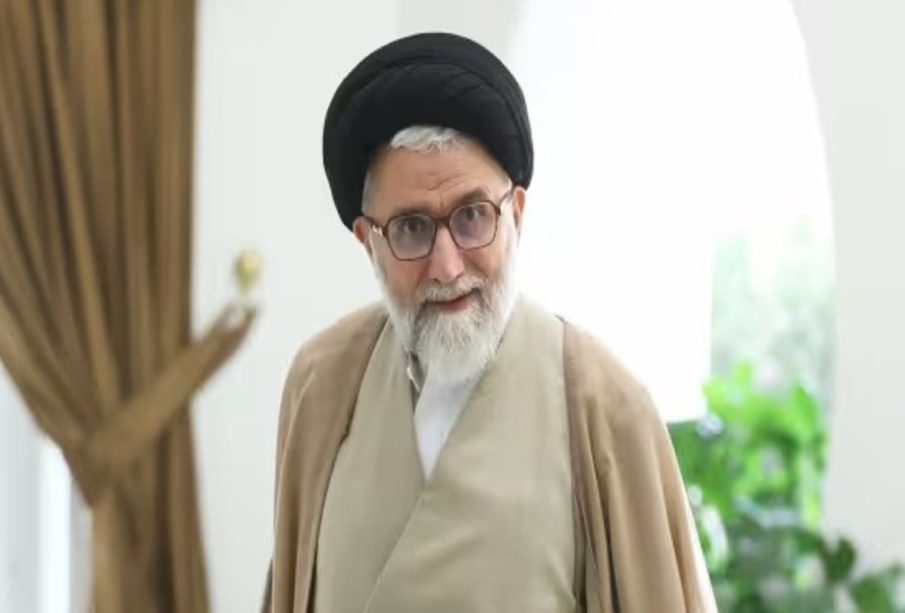
Iran Intelligence Minister Esmail Khatib
The killing of Esmail Khatib in a targeted air strike has intensified tensions in the ongoing conflict involving Iran, Israel, and the United States. The Iranian government confirmed his death on Wednesday and described it as a major loss to its leadership structure.
President Masoud Pezeshkian expressed grief over the incident. He stated that the nation mourned the loss of a key official. In a message shared online, he extended condolences to citizens while asserting that the country’s direction would remain firm despite the setback.
Israeli authorities acknowledged responsibility for the operation. Defence Minister Israel Katz said the air strike targeted Khatib in Tehran after completing intelligence assessments. He added that officials had approval to act against senior Iranian figures once actionable intelligence became available.
The development follows earlier announcements by Israel that senior figures, including Ali Larijani and Gholamreza Soleimani, died in separate operations. These incidents form part of a broader effort to weaken Iran’s leadership since the reported death of Supreme Leader Ali Khamenei at the start of the conflict on 28 February.
Rising Casualties and Regional Tension
The conflict has inflicted heavy tolls on both military personnel and civilians. Iranian authorities report that more than 1,300 people have died in strikes carried out by Israeli and US forces, including women and children. Independent estimates from the Human Rights Activists News Agency suggest even higher figures, with thousands of casualties across civilian and military groups.
Funeral gatherings in Tehran drew large crowds as citizens paid respects to recently killed officials and others who died in related incidents. Among them were sailors killed after a US attack on an Iranian vessel near Sri Lanka earlier this month.
Khatib served in Iran’s intelligence structure for years. He joined during former president Ebrahim Raisi’s administration in 2021. His career included roles in the intelligence ministry and close ties to the Supreme Leader’s office. The United States placed him under sanctions in 2022 over alleged cyber activities targeting US interests and its allies.
Israeli officials claim Iran’s intelligence network played a central role in both internal security operations and actions beyond its borders. Statements from the Israel Defense Forces describe Khatib as a key figure in these efforts.
Meanwhile, reactions within Iran appear mixed. Some citizens expressed concern over continued instability. Others suggested that removing top officials could affect internal security. A resident in Tehran noted that replacements would be appointed, but the loss of senior figures might influence how events unfold in the short term.
Beyond Iran, the conflict is spreading across the region. Iran has responded with strikes in multiple locations, including Israel and several Gulf countries, such as the United Arab Emirates, Qatar, and Saudi Arabia. Explosions and intercepted drones have been reported in various areas, highlighting the widening scope of confrontation.
Global markets are also reacting. Disruptions linked to the closure of the Strait of Hormuz, a key oil shipping route, have pushed energy prices higher. Economists warn of potential broader economic effects.
As the air strike campaign continues, attention remains on both sides’ responses in the coming days. Analysts fear further escalation could draw more countries into the conflict and deepen the crisis.



Leave a reply


 It seems that Mr. Bridgerton is not the only one swept up in a romance#bridgerton #bridgertonseason400:23
 Mr and Mrs Bridgerton #bridgerton #penelope #theprimemag00:07
 That classic sibling energy where "I’m sorry" actually means "I’m going to do it again #zendaya00:19
 The groom is here #robertpattinson #thedrama #edwardcullen #moviepremiere #funnymoment00:36
 #rihanna and #asaprocky looking great in #paris #theprimemag00:20
 #ElizabethOlsen and #AnthonyMackie on the red carpet00:09
 #SelenaGomez stepped out for the Rare Beauty Matte Foundation launch on Thursday00:17
 #cardib performance yesterday in #vegas #Valentines2026 #lustremagazine00:11
 #CardiB #WholesomeChaos #ProtectTheCrow #FunnyMoment #CelebrityMoments00:07
 They never told you about this Golden Globes gaffe with #JenniferLopez and #JeremyRenner00:11
 #bridgerton #netflix #trending #viral #misspossy #bridgertonseason401:17
 He definitely got it🤩🔥#onechallenge #thewoahchallenge #tiktok #dancetrends #hiphop #dancers00:18
 Oh No! 😂 #funny #relatable #trending #memes00:08
 #LeBron has made a major impact off the court his commitment to education and his community01:01
 😂😂 #memes #baby #fun #funny #trending00:08
 The only time #Shaq really went one-on-one with #LeBron #shaquilleoneal #lebronjames00:29
 Shaq did this on live tv… 😂 #shaq #insidethenba #charlesbarkley #shaquilleoneal #nba00:17
 You just know Kendrick’s heart dropped before he laughed 😭 #shaq #ShaquilleO’Neal00:10
 #nickiminaj or #cardib . That’s a tough one for #50cent 😂00:13
 #sofiavergara in #ModernFamily: #Sofía #Sitcom #FamilyComedy #funny #TVSeries01:00
 #SofíaVergara when asked about arrest on #TheEllenDeGeneresShow 😂00:20
 #Steve Harvey and #shaq on an episode of Family Feud #funny #theprimemag00:57
 #CillianMurphy fake laugh became the focus of the conversation on Jimmy Kimmel Live #theprimemag00:15
 Moment #KatyPerry surprised Benjamin Glaze with a kiss during his American Idol 2018 audition00:37
 #SelenaGomez and music producer #BennyBlanco00:13


The Prime is a dynamic publication delivering the latest in entertainment, lifestyle, culture, sports and world news, bringing sharp insight, fresh perspectives and stories that matter to a global audience.
