
Bobi Wine Leaves Uganda After Months in Hiding as Political Tensions Deepen
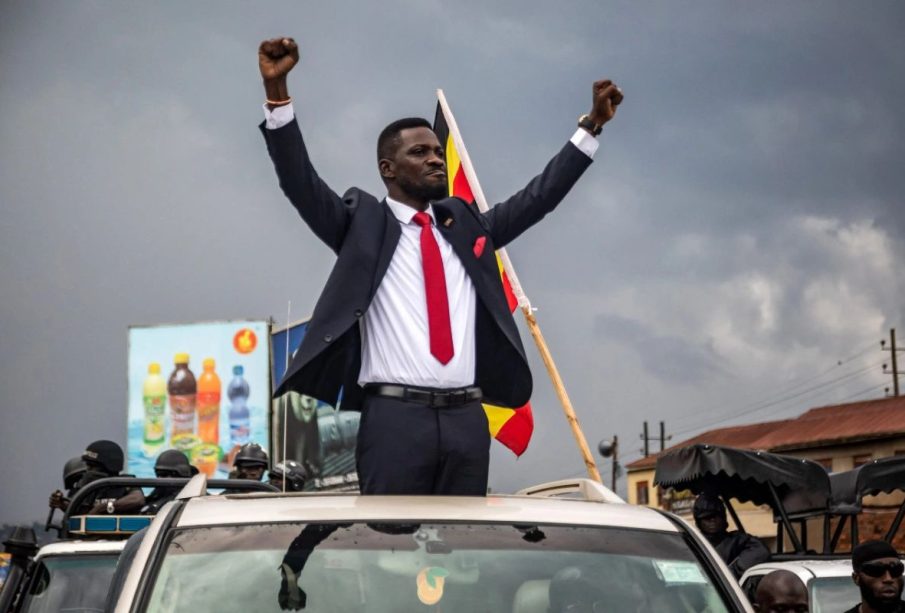
Bobi Wine
Ugandan opposition figure Bobi Wine has left the country after spending nearly two months in hiding following the disputed presidential vote earlier this year.
The development comes amid growing political tension in Uganda and renewed criticism of the election that returned long-serving leader Yoweri Museveni to power.
In a five-minute video shared on social media platform X, the musician-turned-politician, whose real name is Robert Kyagulanyi Ssentamu, said he traveled abroad for what he called “critical engagements.” He added that the trip aimed to rally international attention and encourage global pressure on the Ugandan government over alleged electoral irregularities.
The opposition leader insisted the presidential vote favored Museveni unfairly. Official results from the electoral commission showed the incumbent winning 72 percent of the vote. Museveni, now 81, rejected claims of fraud and accused opposition figures of trying to undermine the results through violent actions.
Election Dispute and Security Concerns
Bobi Wine’s announcement marks his first public appearance since going into hiding weeks after the election. In his video, he thanked supporters who sheltered and protected him while security forces allegedly searched for him across the country.
He claimed authorities repeatedly raided homes belonging to members of his political movement to locate him. Some of these searches, he said, occurred as recently as Thursday. Wine also alleged security checkpoints had been established on multiple roads nationwide to track him down.
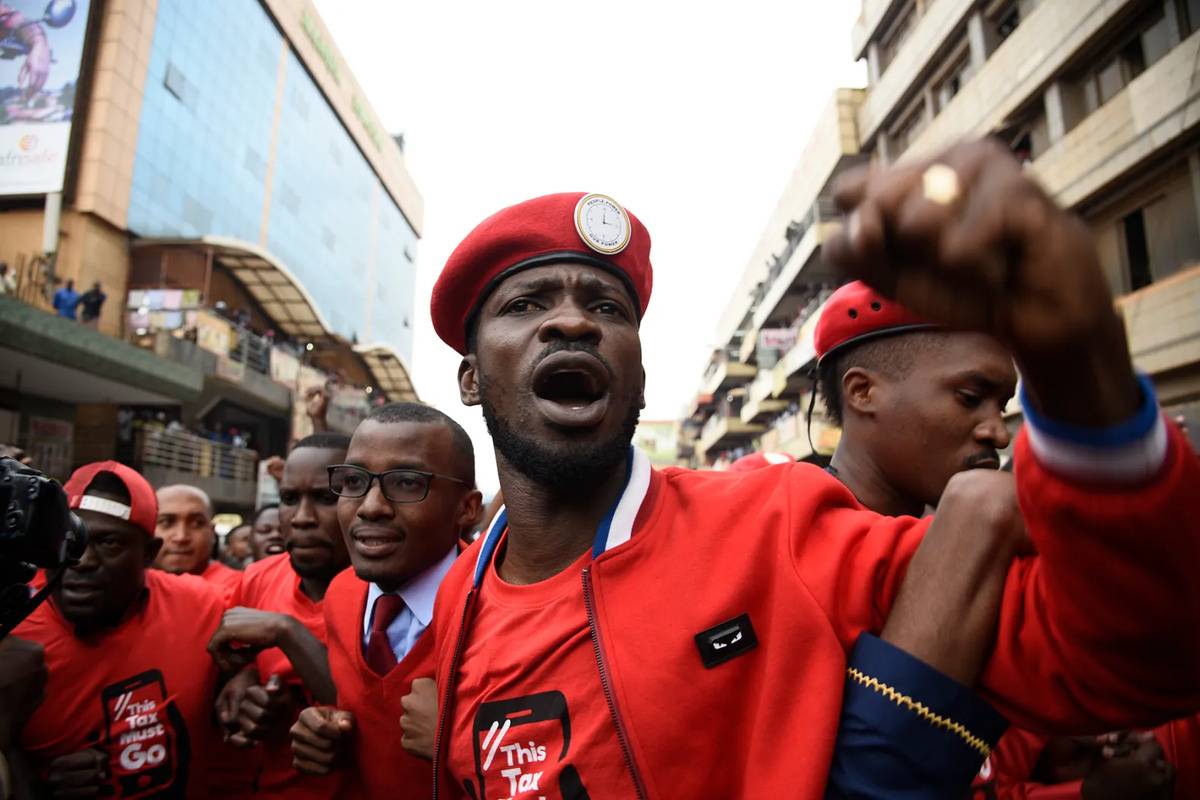
The opposition leader said these actions forced him to remain hidden for weeks to avoid arrest or possible harm. He added that the military had surrounded his residence in Kampala, the capital, since election day.
Government officials gave mixed responses to his claims. Some denied that security forces actively pursued him. Meanwhile, Muhoozi Kainerugaba, Museveni’s son and head of Uganda’s military, posted a controversial message online declaring Wine “wanted dead or alive.” He also issued a personal threat, which he later removed from his X account.
Kainerugaba did not specify any criminal charges against Wine. In his video, Wine defended his actions and insisted that contesting the presidency should not be treated as a crime. He said his campaign had been peaceful and that his political movement focused on democratic change.
“I have not committed any crime,” he said. “Seeking public office should not lead to persecution.”
Uganda’s election period saw heightened tensions and protests following the results. Security forces moved to disperse demonstrations in several areas. Authorities accused opposition members of trying to destabilize the country.
Kainerugaba later claimed that around 30 individuals linked to Wine’s party had died during security operations after the vote. Opposition figures and rights advocates disputed the accounts and called for independent investigations into the violence.
Wine’s departure is likely to intensify international attention on Uganda’s political climate. Analysts say his efforts to mobilize global support could increase pressure on the government. The calls for targeted sanctions against senior officials may grow louder.
The opposition leader said he would continue engaging foreign governments and international organizations while abroad. He aims to bring further scrutiny to the events surrounding Uganda’s election.

Leave a reply


 It seems that Mr. Bridgerton is not the only one swept up in a romance#bridgerton #bridgertonseason400:23
 Mr and Mrs Bridgerton #bridgerton #penelope #theprimemag00:07
 That classic sibling energy where "I’m sorry" actually means "I’m going to do it again #zendaya00:19
 The groom is here #robertpattinson #thedrama #edwardcullen #moviepremiere #funnymoment00:36
 #rihanna and #asaprocky looking great in #paris #theprimemag00:20
 #ElizabethOlsen and #AnthonyMackie on the red carpet00:09
 #SelenaGomez stepped out for the Rare Beauty Matte Foundation launch on Thursday00:17
 #cardib performance yesterday in #vegas #Valentines2026 #lustremagazine00:11
 #CardiB #WholesomeChaos #ProtectTheCrow #FunnyMoment #CelebrityMoments00:07
 They never told you about this Golden Globes gaffe with #JenniferLopez and #JeremyRenner00:11
 #bridgerton #netflix #trending #viral #misspossy #bridgertonseason401:17
 He definitely got it🤩🔥#onechallenge #thewoahchallenge #tiktok #dancetrends #hiphop #dancers00:18
 Oh No! 😂 #funny #relatable #trending #memes00:08
 #LeBron has made a major impact off the court his commitment to education and his community01:01
 😂😂 #memes #baby #fun #funny #trending00:08
 The only time #Shaq really went one-on-one with #LeBron #shaquilleoneal #lebronjames00:29
 Shaq did this on live tv… 😂 #shaq #insidethenba #charlesbarkley #shaquilleoneal #nba00:17
 You just know Kendrick’s heart dropped before he laughed 😭 #shaq #ShaquilleO’Neal00:10
 #nickiminaj or #cardib . That’s a tough one for #50cent 😂00:13
 #sofiavergara in #ModernFamily: #Sofía #Sitcom #FamilyComedy #funny #TVSeries01:00
 #SofíaVergara when asked about arrest on #TheEllenDeGeneresShow 😂00:20
 #Steve Harvey and #shaq on an episode of Family Feud #funny #theprimemag00:57
 #CillianMurphy fake laugh became the focus of the conversation on Jimmy Kimmel Live #theprimemag00:15
 Moment #KatyPerry surprised Benjamin Glaze with a kiss during his American Idol 2018 audition00:37
 #SelenaGomez and music producer #BennyBlanco00:13


The Prime is a dynamic publication delivering the latest in entertainment, lifestyle, culture, sports and world news, bringing sharp insight, fresh perspectives and stories that matter to a global audience.
