
Can Walking Help You Lose Weight? A Complete, Simple Guide
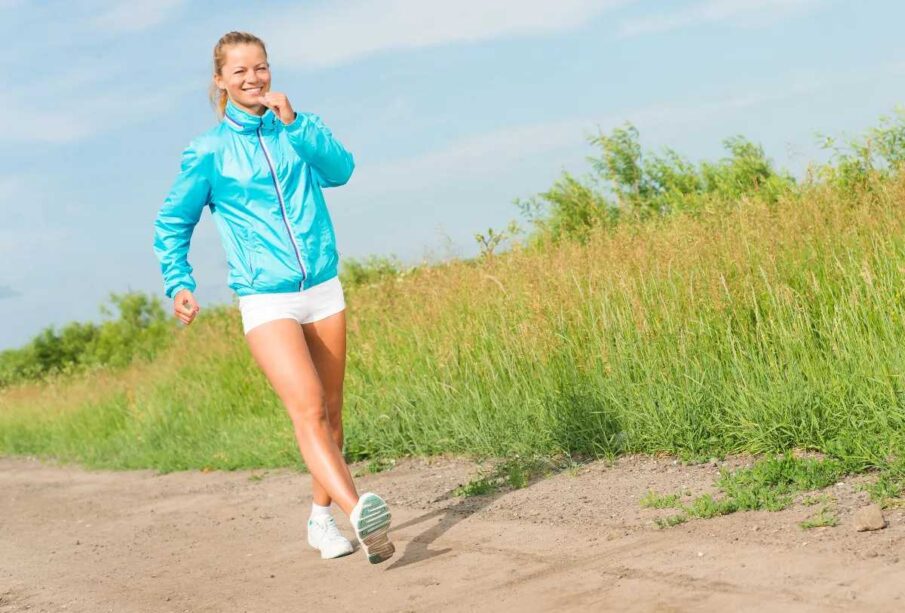
With the right approach, walking can become a powerful part of your weight loss plan while still feeling gentle and enjoyable. This guide breaks it down in clear and practical terms so you understand how it works, how to do it well, and how to see real results.
How Walking Supports Weight Loss
Walking helps with weight loss by increasing how much energy your body uses each day. When you walk, your body burns calories to fuel movement. If you burn more calories than you take in from food, your body starts to use stored fat for energy. This is how weight loss happens.
The beauty of walking is that it is steady and low-impact. You can do it often without putting too much stress on your body. This makes it easier to stay consistent, which is the most important factor for long-term results.
1. The Role of Calories
Weight loss comes down to a simple idea. You need a calorie deficit. This means you burn more calories than you eat. Walking helps create this gap. For example, a person who walks for 30 to 60 minutes daily can burn between 100 to 300 calories depending on speed, weight, and terrain. Over time, this adds up. Small daily efforts can lead to visible changes over weeks and months.
2. Fat Burning and Consistency
Walking mainly uses fat as a fuel source, especially when done at a moderate pace. While high intensity workouts burn more calories in a short time, walking allows you to stay active for longer periods. This is why consistency matters more than intensity here. A daily walk builds a habit. That habit leads to steady fat loss.
3. Gentle on the Body
Unlike intense workouts, walking is kind to your joints. It is suitable for beginners, people returning to fitness, and those who prefer a calmer routine. You can walk every day without feeling worn out, which helps you stay on track.
How to Walk for Real Results
If you are asking, can walking help you lose weight in a noticeable way, the answer depends on how you do it. A slow stroll once in a while may not bring strong results. But a focused and regular routine can.
1. Find Your Pace
To burn more calories, your pace matters. A brisk walk is ideal. This means you are walking fast enough to raise your heart rate but still able to talk in short sentences. If you feel completely relaxed, you may need to increase your speed. If you are out of breath, slow down slightly.
2. Duration and Frequency
Aim for at least 30 minutes a day. If possible, build up to 45 to 60 minutes. You can also split it into two shorter walks if that fits your schedule better. Walking most days of the week is key. Even five days a week can bring good results.
3. Add Variety
Your body adapts over time. To keep seeing progress, change your routine now and then. You can walk on different routes, include gentle hills, or increase your pace for short periods. This keeps your body challenged and prevents boredom.
4. Posture and Movement
Good posture makes your walk more effective. Keep your back straight, shoulders relaxed, and arms swinging naturally. This helps you move efficiently and engage more muscles.
Simple Ways to Boost Your Progress
If you are still wondering, can walking help you lose weight faster, the answer lies in small changes that increase your effort without making things complicated.
1. Increase Daily Movement
Your daily activity outside of exercise also matters. This includes walking to nearby places, taking the stairs, or standing more often. These small actions add to your total calorie burn and support weight loss.
2. Add Strength Work
Walking works mainly on your lower body. Adding simple strength exercises can improve your results. Muscle burns more calories than fat, even at rest. You do not need heavy equipment. Basic body weight exercises done a few times a week can help.
3. Be Mindful of Food
Walking alone may not lead to weight loss if your food intake is too high. You do not need strict diets. Just focus on balanced meals with the right portions. Eat more whole foods like fruits, vegetables, and proteins. Reduce sugary drinks and processed snacks. These small changes support your walking routine.
4. Stay Hydrated and Rested
Drinking enough water helps your body function well. Good sleep also plays a role in weight control. When you are well rested, you have more energy to stay active and make better food choices.
What Results Can You Expect
Many people ask, can walking help you lose weight quickly. The truth is that walking supports steady and healthy weight loss, not sudden changes.
1. Realistic Timeline
You may start to feel better within the first week. You might notice improved mood, better sleep, and more energy. Visible weight loss may take a few weeks. This depends on your starting point, diet, and consistency. Losing about 0.5 to 1 kilogram per week is a healthy pace.
2. Body Changes Beyond the Scale
Weight is only one part of the story. Walking also improves your fitness, posture, and overall health. You may notice your clothes fit better, your stamina improves, and your body feels stronger. These are all signs of progress.
3. Staying Motivated
Motivation can rise and fall. What keeps you going is routine. Choose a time that fits your day and treat your walk like an important appointment. You can listen to music, podcasts, or walk with a friend. Make it enjoyable so it becomes something you look forward to.
4. Long-Term Benefits
Walking is not just for weight loss. It supports heart health, reduces stress, and improves mental clarity. It is a habit you can keep for life. When you stay consistent, the results go beyond your weight. You build a healthier lifestyle that lasts.
Conclusion
So, can walking help you lose weight? Yes, it can. It is simple, effective, and sustainable. With regular effort, a steady pace, and mindful habits, walking can help you reach your goals without pressure or extreme routines. You do not need to do everything at once. Start with short walks, build your time, and stay consistent. Let it fit naturally into your life. In the end, progress comes from showing up each day, even in small ways.
Walking also supports your overall well being. It improves your mood, boosts your energy, and helps you stay active without feeling overwhelmed. Unlike strict workout plans, walking gives you freedom. You can go at your own pace and adjust based on how you feel each day.
As you stay consistent, you will begin to notice small changes. Your stamina will improve, your body will feel lighter, and your confidence will grow. These changes may seem gradual, but they add up over time.
If this guide helped you, save it for later or share it with a friend who wants a simple way to stay active.


Leave a reply


 It seems that Mr. Bridgerton is not the only one swept up in a romance#bridgerton #bridgertonseason400:23
 Mr and Mrs Bridgerton #bridgerton #penelope #theprimemag00:07
 That classic sibling energy where "I’m sorry" actually means "I’m going to do it again #zendaya00:19
 The groom is here #robertpattinson #thedrama #edwardcullen #moviepremiere #funnymoment00:36
 #rihanna and #asaprocky looking great in #paris #theprimemag00:20
 #ElizabethOlsen and #AnthonyMackie on the red carpet00:09
 #SelenaGomez stepped out for the Rare Beauty Matte Foundation launch on Thursday00:17
 #cardib performance yesterday in #vegas #Valentines2026 #lustremagazine00:11
 #CardiB #WholesomeChaos #ProtectTheCrow #FunnyMoment #CelebrityMoments00:07
 They never told you about this Golden Globes gaffe with #JenniferLopez and #JeremyRenner00:11
 #bridgerton #netflix #trending #viral #misspossy #bridgertonseason401:17
 He definitely got it🤩🔥#onechallenge #thewoahchallenge #tiktok #dancetrends #hiphop #dancers00:18
 Oh No! 😂 #funny #relatable #trending #memes00:08
 #LeBron has made a major impact off the court his commitment to education and his community01:01
 😂😂 #memes #baby #fun #funny #trending00:08
 The only time #Shaq really went one-on-one with #LeBron #shaquilleoneal #lebronjames00:29
 Shaq did this on live tv… 😂 #shaq #insidethenba #charlesbarkley #shaquilleoneal #nba00:17
 You just know Kendrick’s heart dropped before he laughed 😭 #shaq #ShaquilleO’Neal00:10
 #nickiminaj or #cardib . That’s a tough one for #50cent 😂00:13
 #sofiavergara in #ModernFamily: #Sofía #Sitcom #FamilyComedy #funny #TVSeries01:00
 #SofíaVergara when asked about arrest on #TheEllenDeGeneresShow 😂00:20
 #Steve Harvey and #shaq on an episode of Family Feud #funny #theprimemag00:57
 #CillianMurphy fake laugh became the focus of the conversation on Jimmy Kimmel Live #theprimemag00:15
 Moment #KatyPerry surprised Benjamin Glaze with a kiss during his American Idol 2018 audition00:37
 #SelenaGomez and music producer #BennyBlanco00:13


The Prime is a dynamic publication delivering the latest in entertainment, lifestyle, culture, sports and world news, bringing sharp insight, fresh perspectives and stories that matter to a global audience.
