
China Approves New Law to Promote Ethnic Unity
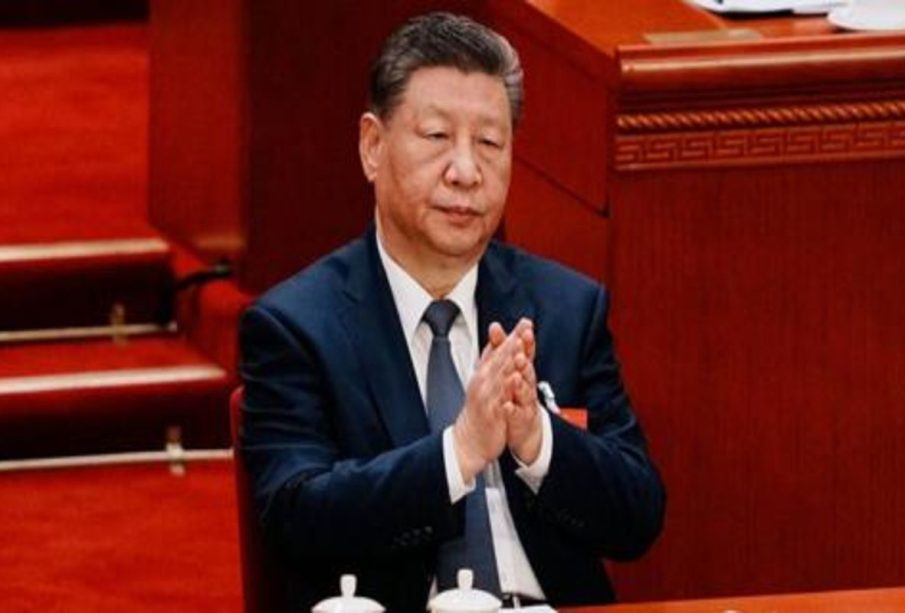
China has approved a sweeping new law that officials say will promote ethnic unity, but critics warn it could deepen the erosion of minority rights across the country. Lawmakers passed the legislation on Thursday during a session of the National People’s Congress in Beijing.
Authorities say the measure will strengthen integration among China’s 56 officially recognised ethnic groups, most of whom live alongside the dominant Han majority. Government officials plan to pursue that goal through changes in education, housing policy, and community programs.
Opponents, however, argue that the law could separate younger generations from their native languages and cultural traditions. Many scholars and human rights observers fear that the policy will accelerate the cultural assimilation of minority communities that have long struggled to maintain their identities within China’s political system.
The new legislation requires all children to learn Mandarin from preschool until the end of high school. In the past, many minority students studied most of their subjects in their native languages.
Tibetan, Uyghur, and Mongolian communities often used their own languages in classrooms while students gradually learned Mandarin as well. Critics say the new requirement shifts the balance strongly toward Mandarin and reduces opportunities for minority languages to survive in formal education.
Analysts believe the language policy could gradually weaken cultural transmission across generations. When schools replace native languages with Mandarin as the primary medium of instruction, children may lose daily contact with the language traditions that shape their communities.
Magnus Fiskesjö, an associate professor of anthropology at Cornell University, says the legislation reflects a broader policy change. According to him, Chinese authorities have increasingly moved away from earlier policies that officially recognised ethnic diversity after 1949. Fiskesjö argues that the new law may separate children from their cultural roots by limiting their access to native languages in school environments.
Critics Fear Forced Assimilation
While Chinese officials describe the law as a way to strengthen national unity and improve job prospects, critics see it as part of a longer campaign of assimilation. Government leaders often promote the concept of “sinicisation,” which encourages ethnic minorities to integrate more closely with Han Chinese culture and values. Authorities say this approach will build a stronger national identity and support economic development across the country.
Han Chinese make up more than 90 percent of China’s population of about 1.4 billion people. Critics say this demographic dominance already places minority cultures under pressure, especially when government policies emphasize cultural integration.
The law also includes provisions that could allow authorities to prosecute parents or guardians who promote views that officials consider harmful to ethnic unity. Observers worry that such language may give local authorities broad power to monitor families and restrict discussions about culture, religion, or identity within minority households.
Another provision calls for the creation of what the law describes as “mutually embedded community environments.” Some analysts interpret that phrase as a plan to mix populations more aggressively. If authorities implement the policy widely, minority communities that currently live in concentrated neighborhoods could face relocation or dispersal. Critics believe such measures could weaken long-standing cultural networks.
Previous government policies targeting minority languages have already triggered protests. In 2020, ethnic Mongolians in northern China demonstrated against new education rules that reduced the use of the Mongolian language in schools. Many parents kept their children at home instead of sending them to class. Authorities responded quickly and moved to suppress the protests.
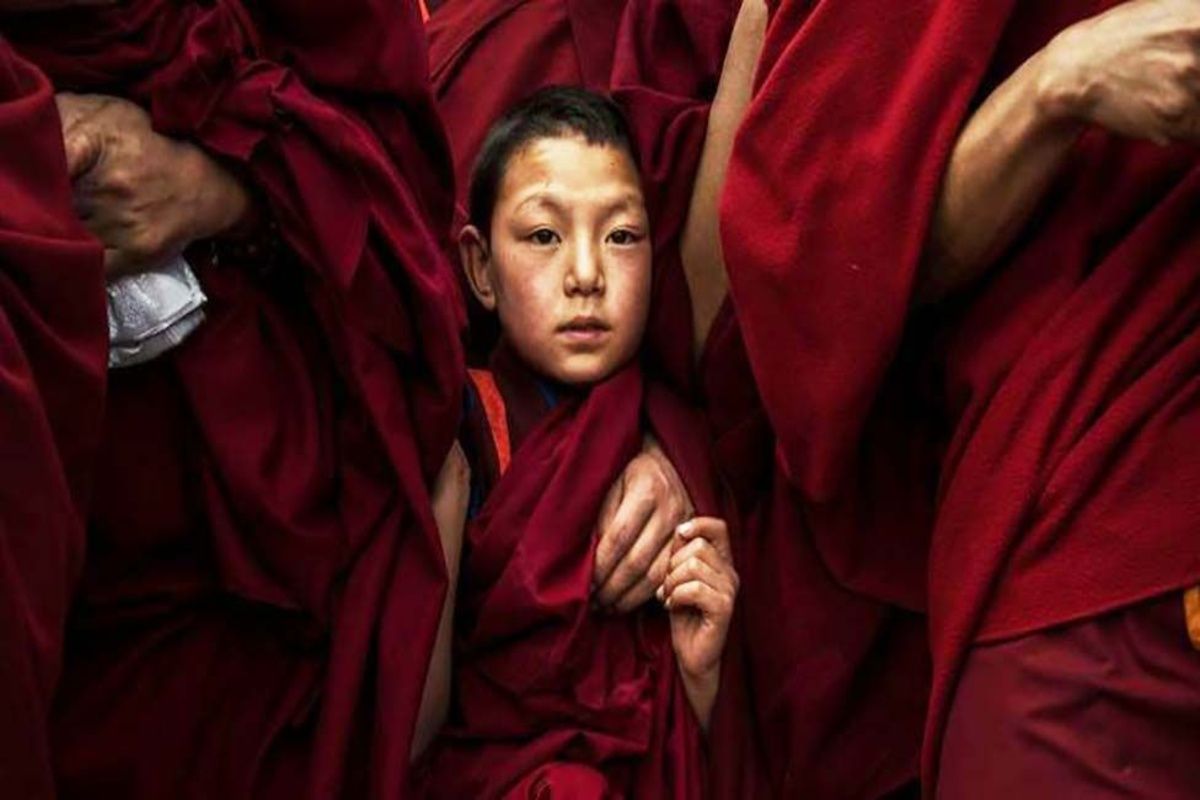
Tibet has also experienced continuing tensions over cultural and religious freedoms. Monks and residents face tight surveillance in many areas. Authorities often monitor monasteries closely to prevent religious activities that officials believe challenge government authority.
During a visit to the Kirti Monastery in July last year, observers reported that many monks lived under constant fear of intimidation. One monk said Tibetan communities felt denied basic human rights and believed authorities continued to suppress their culture and religious identity.
In the Xinjiang region, international human rights organizations have reported the detention of more than one million Uyghur Muslims. Chinese authorities describe the facilities as vocational or “re-education” centers designed to counter extremism.
However, critics and international agencies, including the United Nations, have accused the government of committing serious human rights violations. Reports have included allegations of forced sterilisation and sexual abuse. Chinese officials strongly deny those accusations.
Constitutional Contradictions
China’s constitution states that each ethnic group has the right to use and develop its own language. The constitution also promises a degree of self-governance for minority regions. Critics argue that the new law appears to contradict those principles by prioritising cultural integration with the Han majority.
Allen Carlson, an associate professor of government at Cornell University, believes the legislation sends a clear message about the government’s expectations. In his view, authorities want minority groups to integrate fully with the broader national culture and demonstrate strong loyalty to the central government in Beijing.
Professor Ian Chong of the National University of Singapore also sees the law as part of a broader political vision. He argues that government leaders increasingly link national strength with cultural unity. Policies that promote development and modernisation often frame minority traditions as barriers to progress.
Chong says this approach reflects President Xi Jinping’s vision of a powerful Chinese nation centred largely on Han identity. Under that model, minority cultures may receive less protection or recognition. Critics therefore fear tighter restrictions on language, religion, and cultural practices in the years ahead.
Despite Beijing’s insistence that the law will modernise the country through unity, human rights observers remain cautious. Many analysts believe the legislation represents a significant escalation in policies that encourage assimilation. As debate continues, the new law is likely to intensify global scrutiny of China’s treatment of its ethnic minorities and the future of their cultural identities.



Leave a reply


 It seems that Mr. Bridgerton is not the only one swept up in a romance#bridgerton #bridgertonseason400:23
 Mr and Mrs Bridgerton #bridgerton #penelope #theprimemag00:07
 That classic sibling energy where "I’m sorry" actually means "I’m going to do it again #zendaya00:19
 The groom is here #robertpattinson #thedrama #edwardcullen #moviepremiere #funnymoment00:36
 #rihanna and #asaprocky looking great in #paris #theprimemag00:20
 #ElizabethOlsen and #AnthonyMackie on the red carpet00:09
 #SelenaGomez stepped out for the Rare Beauty Matte Foundation launch on Thursday00:17
 #cardib performance yesterday in #vegas #Valentines2026 #lustremagazine00:11
 #CardiB #WholesomeChaos #ProtectTheCrow #FunnyMoment #CelebrityMoments00:07
 They never told you about this Golden Globes gaffe with #JenniferLopez and #JeremyRenner00:11
 #bridgerton #netflix #trending #viral #misspossy #bridgertonseason401:17
 He definitely got it🤩🔥#onechallenge #thewoahchallenge #tiktok #dancetrends #hiphop #dancers00:18
 Oh No! 😂 #funny #relatable #trending #memes00:08
 #LeBron has made a major impact off the court his commitment to education and his community01:01
 😂😂 #memes #baby #fun #funny #trending00:08
 The only time #Shaq really went one-on-one with #LeBron #shaquilleoneal #lebronjames00:29
 Shaq did this on live tv… 😂 #shaq #insidethenba #charlesbarkley #shaquilleoneal #nba00:17
 You just know Kendrick’s heart dropped before he laughed 😭 #shaq #ShaquilleO’Neal00:10
 #nickiminaj or #cardib . That’s a tough one for #50cent 😂00:13
 #sofiavergara in #ModernFamily: #Sofía #Sitcom #FamilyComedy #funny #TVSeries01:00
 #SofíaVergara when asked about arrest on #TheEllenDeGeneresShow 😂00:20
 #Steve Harvey and #shaq on an episode of Family Feud #funny #theprimemag00:57
 #CillianMurphy fake laugh became the focus of the conversation on Jimmy Kimmel Live #theprimemag00:15
 Moment #KatyPerry surprised Benjamin Glaze with a kiss during his American Idol 2018 audition00:37
 #SelenaGomez and music producer #BennyBlanco00:13


The Prime is a dynamic publication delivering the latest in entertainment, lifestyle, culture, sports and world news, bringing sharp insight, fresh perspectives and stories that matter to a global audience.
