
China Fuel Prices Rise Slows as Government Moves to Ease Pressure
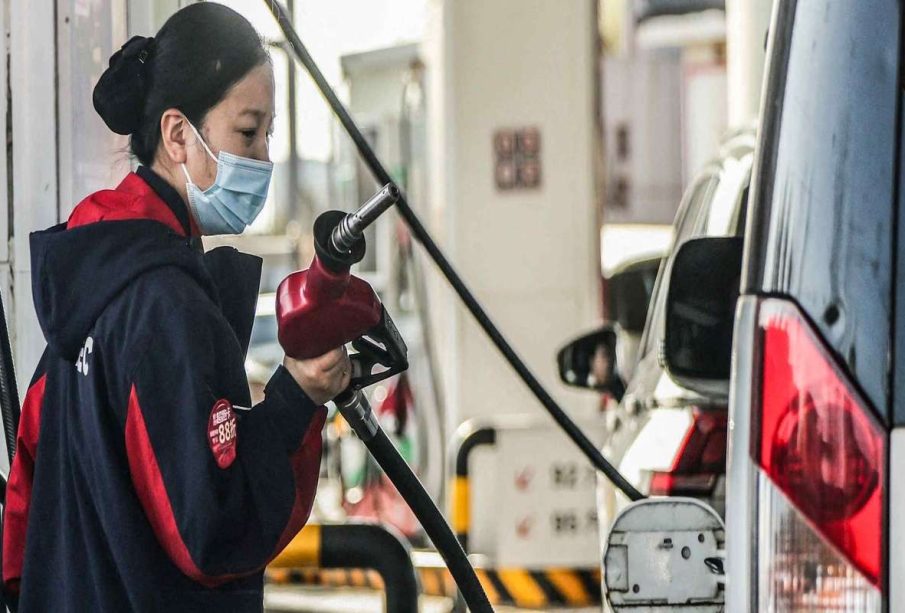
China has adjusted its approach to rising fuel prices, scaling back planned increases in an effort to reduce pressure on millions of drivers as global energy costs climb. The move comes amid ongoing tensions linked to the Iran conflict, which has disrupted oil supply routes and pushed up crude prices worldwide.
Authorities had initially approved significant hikes for petrol and diesel, but later reduced the increases by nearly half before implementation on Tuesday. Petrol prices, which were set to rise sharply, will now see a smaller adjustment, alongside a similar reduction for diesel. Despite this moderation, the latest revision still marks the fifth and largest increase in fuel prices in the country this year.
China relies heavily on oil imports, with Gulf nations serving as a major source. The ongoing conflict has affected shipping through the Strait of Hormuz, one of the world’s busiest oil transit routes. This disruption has contributed to rising global oil costs, with Brent crude briefly climbing above $100 per barrel earlier this week.
Across several Chinese cities, the impact has already been visible. Long queues formed at petrol stations over the weekend, and some locations reported running out of fuel entirely. The situation highlights growing concerns among consumers, especially as more than 300 million vehicles in the country depend on petrol or diesel.
Measures to Manage Supply and Demand
In response to rising fuel prices, Beijing appears to be taking steps to manage both supply and demand in the short term. Reports indicate that authorities instructed some refineries to pause fuel exports, aiming to prioritise domestic needs and stabilise local markets. While officials have not publicly confirmed this move, it aligns with broader efforts to keep costs manageable for consumers.
China has also built up large oil reserves over the years, taking advantage of lower prices and steady supply from the Gulf region. Estimates suggest reserves could cover close to three months of imports, offering some buffer against short-term disruptions. Earlier this year, the country increased its crude purchases significantly compared to the previous year, further strengthening its запас.
Iran remains a key supplier of discounted crude oil to China, despite international sanctions. Reports suggest Beijing continues to purchase a substantial portion of Iran’s exports, helping to secure supply even during uncertain periods.
Beyond China, other Asian nations are also responding to rising energy costs. Governments in countries such as the Philippines, Sri Lanka, Thailand, and Vietnam have introduced measures aimed at reducing fuel consumption. These include shorter work weeks, remote working arrangements, and limits on official travel.
In Japan, petrol prices have reached record levels, while South Korea has announced plans to cut back on the use of government vehicles. These actions reflect wider regional concerns about the economic impact of sustained increases in fuel prices.
China’s decision to moderate its latest increase suggests a cautious balancing act between responding to global market pressures and maintaining stability at home. As uncertainty continues in global oil markets, further adjustments may be needed to manage the situation effectively.



Leave a reply


 It seems that Mr. Bridgerton is not the only one swept up in a romance#bridgerton #bridgertonseason400:23
 Mr and Mrs Bridgerton #bridgerton #penelope #theprimemag00:07
 That classic sibling energy where "I’m sorry" actually means "I’m going to do it again #zendaya00:19
 The groom is here #robertpattinson #thedrama #edwardcullen #moviepremiere #funnymoment00:36
 #rihanna and #asaprocky looking great in #paris #theprimemag00:20
 #ElizabethOlsen and #AnthonyMackie on the red carpet00:09
 #SelenaGomez stepped out for the Rare Beauty Matte Foundation launch on Thursday00:17
 #cardib performance yesterday in #vegas #Valentines2026 #lustremagazine00:11
 #CardiB #WholesomeChaos #ProtectTheCrow #FunnyMoment #CelebrityMoments00:07
 They never told you about this Golden Globes gaffe with #JenniferLopez and #JeremyRenner00:11
 #bridgerton #netflix #trending #viral #misspossy #bridgertonseason401:17
 He definitely got it🤩🔥#onechallenge #thewoahchallenge #tiktok #dancetrends #hiphop #dancers00:18
 Oh No! 😂 #funny #relatable #trending #memes00:08
 #LeBron has made a major impact off the court his commitment to education and his community01:01
 😂😂 #memes #baby #fun #funny #trending00:08
 The only time #Shaq really went one-on-one with #LeBron #shaquilleoneal #lebronjames00:29
 Shaq did this on live tv… 😂 #shaq #insidethenba #charlesbarkley #shaquilleoneal #nba00:17
 You just know Kendrick’s heart dropped before he laughed 😭 #shaq #ShaquilleO’Neal00:10
 #nickiminaj or #cardib . That’s a tough one for #50cent 😂00:13
 #sofiavergara in #ModernFamily: #Sofía #Sitcom #FamilyComedy #funny #TVSeries01:00
 #SofíaVergara when asked about arrest on #TheEllenDeGeneresShow 😂00:20
 #Steve Harvey and #shaq on an episode of Family Feud #funny #theprimemag00:57
 #CillianMurphy fake laugh became the focus of the conversation on Jimmy Kimmel Live #theprimemag00:15
 Moment #KatyPerry surprised Benjamin Glaze with a kiss during his American Idol 2018 audition00:37
 #SelenaGomez and music producer #BennyBlanco00:13


The Prime is a dynamic publication delivering the latest in entertainment, lifestyle, culture, sports and world news, bringing sharp insight, fresh perspectives and stories that matter to a global audience.
