
Counting Calories Doesn’t Work, Try Eating Smarter
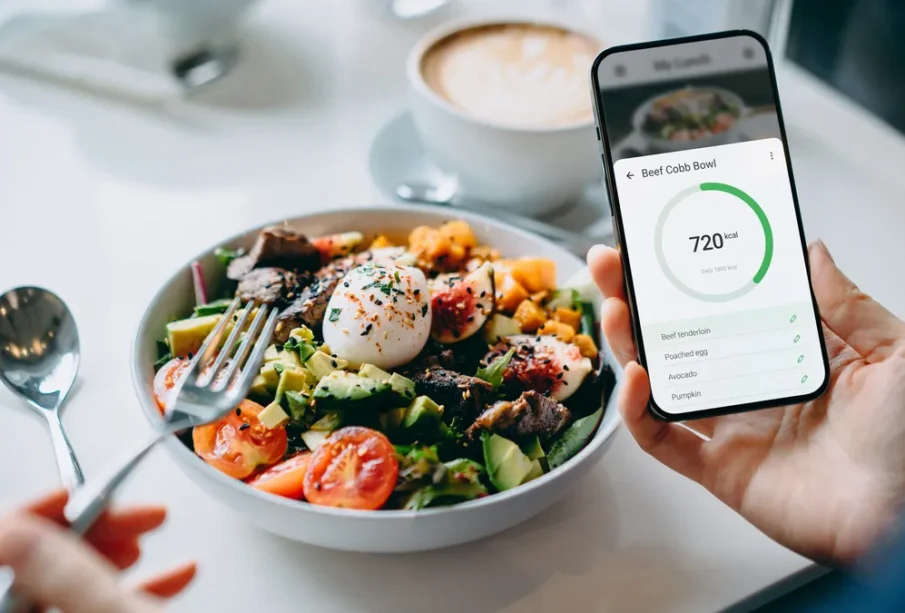
For years, counting calories has been presented as the gold standard for weight control and healthy living. Many people track every bite, log every meal, and try to stay within a fixed number.
Yet, despite all this effort, results are often short-lived or frustrating. The truth is simple. Counting calories can miss the bigger picture of how the body works. Real progress comes from eating smarter, not just eating less.
This article explains why counting calories alone is not enough, and how you can build a more balanced, realistic, and effective way of eating that supports your energy, health, and daily life.
The Limits of Counting Calories
Counting calories sounds logical. Eat less than you burn and you lose weight. But the human body is not a simple calculator.
First, calorie numbers are not always accurate. Food labels can be off by a noticeable margin. Cooking methods also change calorie content. This means your daily total may not reflect what your body actually receives.
Second, not all calories affect the body in the same way. A meal with protein, fiber, and healthy fats will keep you full longer than processed foods with the same calorie count. Yet counting calories treats them as equal.
Third, strict tracking can become stressful. It turns eating into a numbers game instead of a natural part of life. Over time, this pressure can lead to burnout or unhealthy habits.
Counting calories may work for some people in the short term, but it often fails to support long term health and consistency.
Food Quality Has Greater Impact
Eating smarter starts with focusing on food quality rather than just numbers. Whole foods support the body better than highly processed options.
Fresh fruits, vegetables, grains, lean proteins, and healthy fats provide nutrients that help your body function well. They support digestion, energy levels, and overall health.
Processed foods often contain added sugars, unhealthy fats, and low nutrient value. Even if the calorie count looks acceptable, it can leave you feeling hungry soon after eating.
Instead of asking how many calories are in your meal, ask what the meal is doing for your body. Does it keep you satisfied? Does it give you steady energy? These questions lead to better choices.
Counting calories does not capture this difference, which is why many people feel stuck even when they follow strict limits.
Hunger and Fullness Signals Guide Better Choices
Your body already has a built-in system to guide eating. Hunger and fullness signals are powerful tools when you pay attention to them.
Eating smarter means listening to these signals. Eat when you feel real hunger. Stop when you feel comfortably full. This sounds simple, but it requires awareness and practice.
When you rely only on counting calories, you may ignore these natural cues. You might eat when you are not hungry just to meet a number, or avoid food even when your body needs it.
Building trust with your body helps create a healthier relationship with food. It also makes your routine more flexible and easier to maintain.
Read More About the Top Healthy Eating Trends Of 2026
Balanced Meals Support Long-Term Results
A balanced meal includes a mix of nutrients that work together to support your body.
- Protein helps with muscle repair and keeps you full
- Fiber supports digestion and slows down hunger
- Healthy fats provide energy and improve satisfaction
- Carbohydrates give your body fuel for daily activities
When these elements are combined, meals become more satisfying and reduce the urge to snack constantly.
Counting calories does not ensure balance. You can stay within a calorie limit and still miss key nutrients. This often leads to cravings and low energy. Eating smarter focuses on building meals that nourish your body fully, not just fitting into a number.
Habits That Make Eating Smarter Easier
Small habits can make a big difference in how you eat and feel each day.
- Eat slowly and pay attention to your food
- Choose whole foods more often than processed ones
- Drink enough water throughout the day
- Plan meals to avoid last-minute poor choices
- Get enough sleep to support appetite control
These habits create a strong foundation for better health. They are simple, practical, and easier to maintain than strict calorie tracking. Over time, these actions become natural and reduce the need for constant monitoring.
Mindset Plays a Key Role
Food is not just about physical health. It is also connected to emotions, routines, and lifestyle.
A flexible mindset allows you to enjoy food without guilt. It helps you make choices that fit your life instead of forcing rigid rules.
Counting calories can create an all-or-nothing approach. If you go over your limit, it can feel like failure. This often leads to cycles of restriction and overeating.
Eating smarter encourages balance. It allows room for enjoyment while still supporting your goals. This approach is more sustainable and less stressful.
Real Life Examples of Eating Smarter
Consider two different meal choices. Meal one is a low-calorie snack that leaves you hungry within an hour. Meal two is a balanced plate with protein, fiber, and healthy fats that keeps you full for several hours.
Even if both meals have similar calorie counts, their effects on your body are very different. This is where counting calories falls short. It does not show how food impacts hunger, energy, and satisfaction. Eating smarter focuses on how food makes you feel and how it supports your daily needs.
When Counting Calories Can Still Help
Counting calories is not entirely useless. It can be helpful in certain situations.
- It can raise awareness of portion sizes
- It may help in the early stages of a health journey
- It can provide structure for people who need guidance
However, it should not be the only method you rely on. It works best as a temporary tool, not a long term solution.
The goal is to move toward a more intuitive and balanced way of eating.
A Smarter Way Forward
A healthier approach to food is not about strict limits. It is about making choices that support your body and lifestyle.
Focus on:
- Eating whole and nutrient-rich foods
- Paying attention to hunger and fullness
- Building balanced meals
- Creating simple daily habits
- Maintaining a flexible and positive mindset
This approach is easier to follow and more effective over time. Counting calories may give a sense of control, but eating smarter gives real results that last.
Final Thoughts
True health is not found in numbers alone. It comes from how you eat, how you feel, and how consistent you are over time.
Counting calories can be a starting point, but it is not the full answer. By focusing on quality, balance, and awareness, you create a lifestyle that supports both your body and your mind.
Eating smarter is not complicated. It is about making better choices, one meal at a time.
If this guide helped you, save it for later or share it with a friend who is trying to eat better.



Leave a reply


 It seems that Mr. Bridgerton is not the only one swept up in a romance#bridgerton #bridgertonseason400:23
 Mr and Mrs Bridgerton #bridgerton #penelope #theprimemag00:07
 That classic sibling energy where "I’m sorry" actually means "I’m going to do it again #zendaya00:19
 The groom is here #robertpattinson #thedrama #edwardcullen #moviepremiere #funnymoment00:36
 #rihanna and #asaprocky looking great in #paris #theprimemag00:20
 #ElizabethOlsen and #AnthonyMackie on the red carpet00:09
 #SelenaGomez stepped out for the Rare Beauty Matte Foundation launch on Thursday00:17
 #cardib performance yesterday in #vegas #Valentines2026 #lustremagazine00:11
 #CardiB #WholesomeChaos #ProtectTheCrow #FunnyMoment #CelebrityMoments00:07
 They never told you about this Golden Globes gaffe with #JenniferLopez and #JeremyRenner00:11
 #bridgerton #netflix #trending #viral #misspossy #bridgertonseason401:17
 He definitely got it🤩🔥#onechallenge #thewoahchallenge #tiktok #dancetrends #hiphop #dancers00:18
 Oh No! 😂 #funny #relatable #trending #memes00:08
 #LeBron has made a major impact off the court his commitment to education and his community01:01
 😂😂 #memes #baby #fun #funny #trending00:08
 The only time #Shaq really went one-on-one with #LeBron #shaquilleoneal #lebronjames00:29
 Shaq did this on live tv… 😂 #shaq #insidethenba #charlesbarkley #shaquilleoneal #nba00:17
 You just know Kendrick’s heart dropped before he laughed 😭 #shaq #ShaquilleO’Neal00:10
 #nickiminaj or #cardib . That’s a tough one for #50cent 😂00:13
 #sofiavergara in #ModernFamily: #Sofía #Sitcom #FamilyComedy #funny #TVSeries01:00
 #SofíaVergara when asked about arrest on #TheEllenDeGeneresShow 😂00:20
 #Steve Harvey and #shaq on an episode of Family Feud #funny #theprimemag00:57
 #CillianMurphy fake laugh became the focus of the conversation on Jimmy Kimmel Live #theprimemag00:15
 Moment #KatyPerry surprised Benjamin Glaze with a kiss during his American Idol 2018 audition00:37
 #SelenaGomez and music producer #BennyBlanco00:13


The Prime is a dynamic publication delivering the latest in entertainment, lifestyle, culture, sports and world news, bringing sharp insight, fresh perspectives and stories that matter to a global audience.
