
Defamation Case Ends in Victory for Afroman After Court Clash With Ohio Deputies
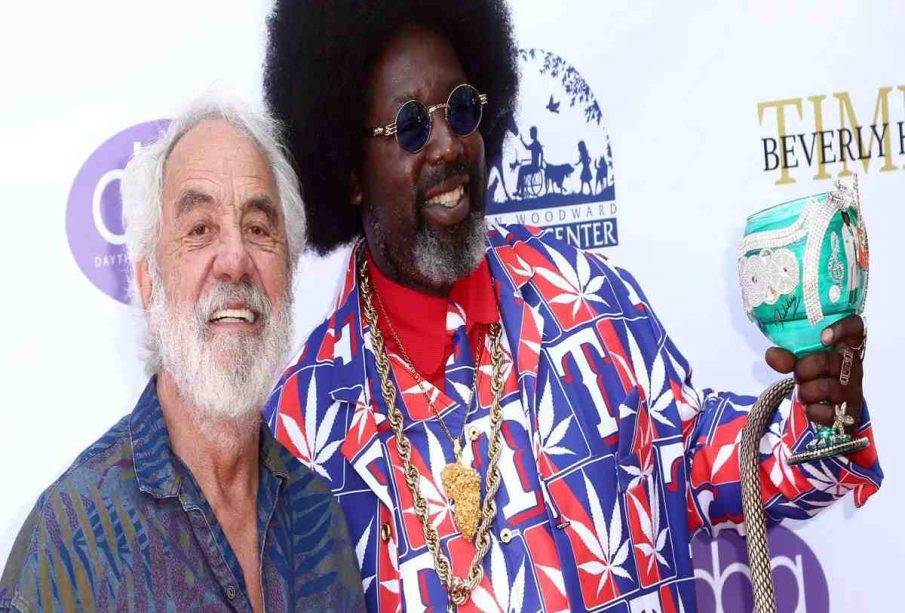
A closely watched defamation case in the United States ended in favor of rapper Afroman, following a legal dispute with seven sheriff’s deputies over songs and videos that mocked a police raid on his home. The decision, delivered after a three-day trial in Ohio, marks a key moment in the ongoing discussion around artistic expression and criticism of public officials.
The case arose from a 2022 incident when deputies forcefully entered Afroman’s residence during an investigation involving alleged drug activity and kidnapping. However, the operation did not result in any charges, raising questions about the raid’s justification and execution. In response, the rapper turned his home security footage into music videos and songs that ridiculed the officers involved.
His creative response quickly went viral online. One track, Lemon Pound Cake, drew from footage showing an officer glancing at a cake in the kitchen during the search. Other videos included exaggerated claims about the officers’ personal lives. These portrayals became central to the deputies’ lawsuit.
Court Weighs Free Speech Against Alleged Harm
The deputies sought $3.9 million in damages, citing reputational harm, emotional distress, and public embarrassment. They argued that the rapper’s content crossed the line from satire into falsehoods. During the trial, their lawyer claimed that even if the raid was flawed, it did not justify spreading what they described as deliberate misinformation.
Testimonies highlighted the personal impact of the viral content. One officer said his child faced ridicule at school because of the videos, showing that the case extended beyond public discourse into private lives.
On the other hand, Afroman defended his actions as artistic and political expression. He appeared in court wearing a suit patterned after the American flag and argued that the situation would not have escalated if the raid had not occurred. According to him, the officers’ presence in his home and on his surveillance footage directly inspired the content.
His legal team emphasized that public officials face scrutiny and criticism, even when it is uncomfortable. They warned that ruling against the artist could discourage individuals from speaking out or using satire to address perceived wrongdoing.
Ultimately, the jury sided with Afroman, rejecting the deputies’ claims and affirming his right to produce the contested material. The outcome underscores the legal protections around free speech, particularly when commentary targets government actions.
Outside the courtroom, the rapper celebrated the verdict with supporters, framing it as a broader win for freedom of expression. Social media amplified the moment, with reactions ranging from praise for his stance to concern over the boundaries of satire.
The case also highlighted the power of digital content in shaping public perception. Afroman’s videos, some with millions of views, show how quickly narratives can spread and influence opinion. Tracks like Will You Help Me Repair My Door and Lemon Pound Cake became viral hits, blending humor with criticism in a way that resonated widely.
Legal analysts suggest the ruling may set a tone for similar disputes in the future. While defamation laws protect individuals from false and damaging statements, this case highlights the challenge of applying those rules to artistic works, especially when they involve parody or exaggeration.
For now, the outcome reinforces the idea that public figures, including law enforcement officers, may have limited recourse against satirical or critical portrayals, as long as they stay within constitutional limits.

Leave a reply


 It seems that Mr. Bridgerton is not the only one swept up in a romance#bridgerton #bridgertonseason400:23
 Mr and Mrs Bridgerton #bridgerton #penelope #theprimemag00:07
 That classic sibling energy where "I’m sorry" actually means "I’m going to do it again #zendaya00:19
 The groom is here #robertpattinson #thedrama #edwardcullen #moviepremiere #funnymoment00:36
 #rihanna and #asaprocky looking great in #paris #theprimemag00:20
 #ElizabethOlsen and #AnthonyMackie on the red carpet00:09
 #SelenaGomez stepped out for the Rare Beauty Matte Foundation launch on Thursday00:17
 #cardib performance yesterday in #vegas #Valentines2026 #lustremagazine00:11
 #CardiB #WholesomeChaos #ProtectTheCrow #FunnyMoment #CelebrityMoments00:07
 They never told you about this Golden Globes gaffe with #JenniferLopez and #JeremyRenner00:11
 #bridgerton #netflix #trending #viral #misspossy #bridgertonseason401:17
 He definitely got it🤩🔥#onechallenge #thewoahchallenge #tiktok #dancetrends #hiphop #dancers00:18
 Oh No! 😂 #funny #relatable #trending #memes00:08
 #LeBron has made a major impact off the court his commitment to education and his community01:01
 😂😂 #memes #baby #fun #funny #trending00:08
 The only time #Shaq really went one-on-one with #LeBron #shaquilleoneal #lebronjames00:29
 Shaq did this on live tv… 😂 #shaq #insidethenba #charlesbarkley #shaquilleoneal #nba00:17
 You just know Kendrick’s heart dropped before he laughed 😭 #shaq #ShaquilleO’Neal00:10
 #nickiminaj or #cardib . That’s a tough one for #50cent 😂00:13
 #sofiavergara in #ModernFamily: #Sofía #Sitcom #FamilyComedy #funny #TVSeries01:00
 #SofíaVergara when asked about arrest on #TheEllenDeGeneresShow 😂00:20
 #Steve Harvey and #shaq on an episode of Family Feud #funny #theprimemag00:57
 #CillianMurphy fake laugh became the focus of the conversation on Jimmy Kimmel Live #theprimemag00:15
 Moment #KatyPerry surprised Benjamin Glaze with a kiss during his American Idol 2018 audition00:37
 #SelenaGomez and music producer #BennyBlanco00:13


The Prime is a dynamic publication delivering the latest in entertainment, lifestyle, culture, sports and world news, bringing sharp insight, fresh perspectives and stories that matter to a global audience.
