Former Algerian President Liamine Zeroual Dies at 84
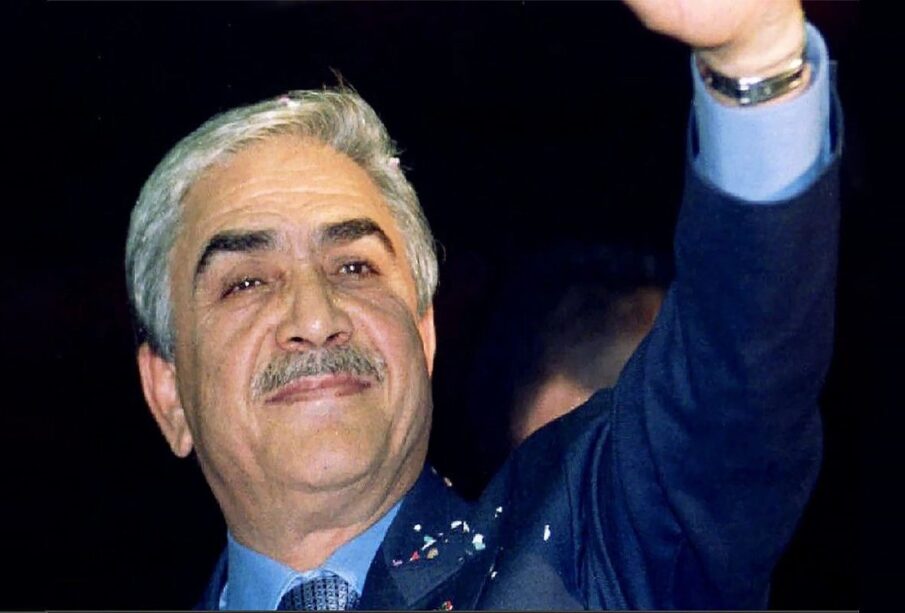
Algeria mourns the death of former leader Liamine Zeroual at the age of 84, closing a significant chapter in the nation’s history. His passing has drawn national attention, prompting authorities to announce three days of mourning in his honour. The government has ordered flags to fly at half mast across the country as citizens reflect on his years of service and leadership.
Liamine Zeroual was born on July 3, 1941, in Batna. He rose from modest beginnings to become one of the most recognised figures in Algeria’s political and military life. He first served in the National Liberation Army during the fight for independence from French rule. That experience shaped his commitment to national unity and stability.
Years later, during a period of internal conflict, Zeroual stepped forward to lead the country through a fragile transition. He assumed office as Algerian president in 1994 at a time of civil crisis. The country needed firm political direction and strong military experience. He provided both with calm authority. His leadership during this period appeared steady as he worked to restore order and guide the nation toward democratic processes.
One of the defining moments of his presidency came in 1995. He organised Algeria’s first multi-party presidential election. The vote marked a shift toward political openness. Zeroual secured a strong victory, which strengthened his mandate. His approach helped ease tensions at a time when uncertainty shaped daily life.
However, in 1998, Zeroual made a decision that surprised many observers. He chose to step down before completing his full term in office. This move created an opportunity for a leadership transition.
Abdelaziz Bouteflika later assumed power, beginning a new phase in Algeria’s political landscape. Some analysts viewed Zeroual’s decision as a strategic effort to stabilise the country and ensure continuity in governance.
After leaving office, Zeroual stepped away from public political life. He maintained a low profile and avoided regular media attention. Despite this, many Algerians continued to respect him.
They recognised his disciplined background and measured leadership style. His time as Algerian president remained an important reference point in discussions about balancing national security with democratic progress.
Authorities confirmed that Zeroual died at a military hospital in Algiers after a prolonged illness. The announcement quickly prompted tributes from across the nation. Political figures, commentators, and citizens reflected on his role during one of Algeria’s most challenging periods.
In response, the government declared a national mourning period. This decision reflects the weight of his contributions to the country. It also shows the respect he retained even after retirement. For many citizens, his life story carries deep meaning. He began as a young soldier during the independence struggle and later rose to become head of state. His journey mirrors key moments in Algeria’s modern history.
Meanwhile, as the mourning period continues, citizens reflect on the legacy he leaves behind. His leadership decisions continue to shape national conversations about governance, stability, and reform. Many see his presidency as a bridge between conflict and cautious progress.

Leave a reply


 It seems that Mr. Bridgerton is not the only one swept up in a romance#bridgerton #bridgertonseason400:23
 Mr and Mrs Bridgerton #bridgerton #penelope #theprimemag00:07
 That classic sibling energy where "I’m sorry" actually means "I’m going to do it again #zendaya00:19
 The groom is here #robertpattinson #thedrama #edwardcullen #moviepremiere #funnymoment00:36
 #rihanna and #asaprocky looking great in #paris #theprimemag00:20
 #ElizabethOlsen and #AnthonyMackie on the red carpet00:09
 #SelenaGomez stepped out for the Rare Beauty Matte Foundation launch on Thursday00:17
 #cardib performance yesterday in #vegas #Valentines2026 #lustremagazine00:11
 #CardiB #WholesomeChaos #ProtectTheCrow #FunnyMoment #CelebrityMoments00:07
 They never told you about this Golden Globes gaffe with #JenniferLopez and #JeremyRenner00:11
 #bridgerton #netflix #trending #viral #misspossy #bridgertonseason401:17
 He definitely got it🤩🔥#onechallenge #thewoahchallenge #tiktok #dancetrends #hiphop #dancers00:18
 Oh No! 😂 #funny #relatable #trending #memes00:08
 #LeBron has made a major impact off the court his commitment to education and his community01:01
 😂😂 #memes #baby #fun #funny #trending00:08
 The only time #Shaq really went one-on-one with #LeBron #shaquilleoneal #lebronjames00:29
 Shaq did this on live tv… 😂 #shaq #insidethenba #charlesbarkley #shaquilleoneal #nba00:17
 You just know Kendrick’s heart dropped before he laughed 😭 #shaq #ShaquilleO’Neal00:10
 #nickiminaj or #cardib . That’s a tough one for #50cent 😂00:13
 #sofiavergara in #ModernFamily: #Sofía #Sitcom #FamilyComedy #funny #TVSeries01:00
 #SofíaVergara when asked about arrest on #TheEllenDeGeneresShow 😂00:20
 #Steve Harvey and #shaq on an episode of Family Feud #funny #theprimemag00:57
 #CillianMurphy fake laugh became the focus of the conversation on Jimmy Kimmel Live #theprimemag00:15
 Moment #KatyPerry surprised Benjamin Glaze with a kiss during his American Idol 2018 audition00:37
 #SelenaGomez and music producer #BennyBlanco00:13


The Prime is a dynamic publication delivering the latest in entertainment, lifestyle, culture, sports and world news, bringing sharp insight, fresh perspectives and stories that matter to a global audience.

