
How Artificial Intelligence is Unlocking the Once Impossible
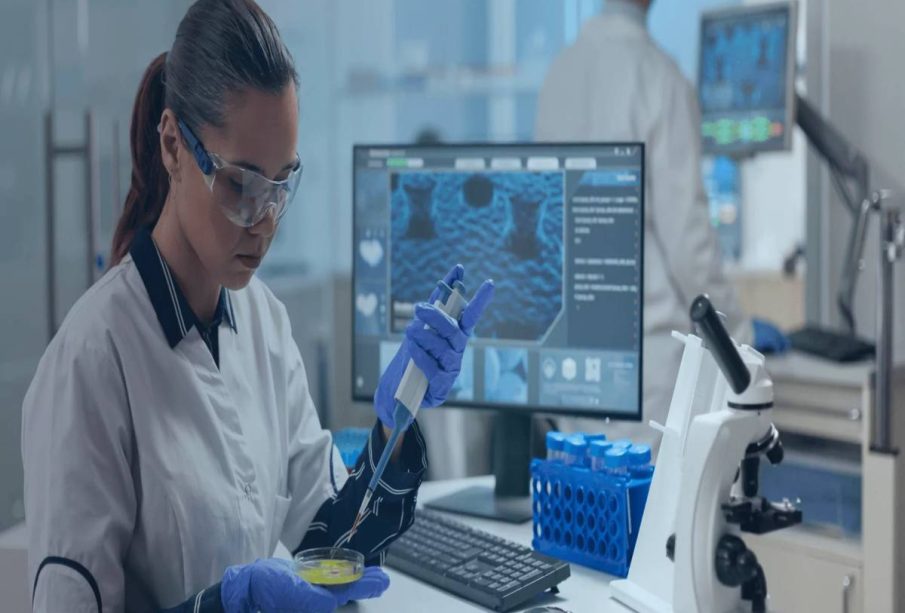
Artificial intelligence drug discovery is transforming the fight against some of the world’s most challenging diseases. Scientists now use AI to confront antibiotic-resistant bacteria, Parkinson’s disease, and rare disorders. These advances offer hope for conditions long considered untreatable.
Powerful algorithms analyze vast chemical data and uncover patterns that humans would struggle to detect. As a result, research teams can identify potential medicines faster and with greater precision than ever before.
For decades, humanity has battled bacterial infections with antibiotics. These medicines once saved millions of lives, but their power is fading. Many bacteria have evolved resistance to widely used drugs. Today, about 1.1 million people die each year from infections that doctors once treated easily. Experts warn that deaths could climb above eight million annually by 2050 if scientists fail to develop new solutions.
Traditional drug development moves slowly and costs enormous sums. Pharmaceutical companies often spend years testing thousands of compounds before they identify a single viable drug. Even then, clinical trials may fail.
Between 2017 and 2022, regulators approved only twelve new antibiotics. Many of those medicines closely resembled existing drugs, which means bacteria can still develop resistance against them. This slow pace has intensified the global search for faster discovery methods.
AI Revolution in Antibiotic Development
Researchers now rely on artificial intelligence to accelerate antibiotic discovery. At the Massachusetts Institute of Technology, scientist James Collins leads a team that uses AI to examine millions of chemical compounds. Their system scans digital libraries of molecules and predicts which ones might kill harmful bacteria. This approach allows scientists to move quickly through chemical possibilities that once required years of laboratory work.
Collins’ team trained their AI model on the structures of known antibiotics. The system learned which chemical patterns typically disrupt bacterial cells. After training, the AI searched for completely new molecular designs that could defeat dangerous pathogens such as gonorrhoea and MRSA.
The program generated more than 36 million possible compounds. Researchers then selected promising candidates for laboratory synthesis and testing. Seven of those compounds showed measurable antimicrobial activity. Two displayed remarkable effectiveness against bacteria that resist current antibiotics.
These compounds work differently from traditional antibiotics. Their unique mechanisms may allow them to bypass bacterial defenses that block older drugs. Scientists believe these discoveries could form the foundation for an entirely new class of antibiotics. Collins’ team has already used AI to identify additional compounds that fight pathogens such as Clostridium difficile and Mycobacterium tuberculosis, both of which cause serious global health threats.
AI Tackles Parkinson’s Disease
Scientists are also applying artificial intelligence to neurological disorders. Parkinson’s disease, first described in 1817, still has no cure. More than 10 million people worldwide live with the condition. Current treatments such as Levodopa relieve symptoms but cannot slow the disease’s progression.
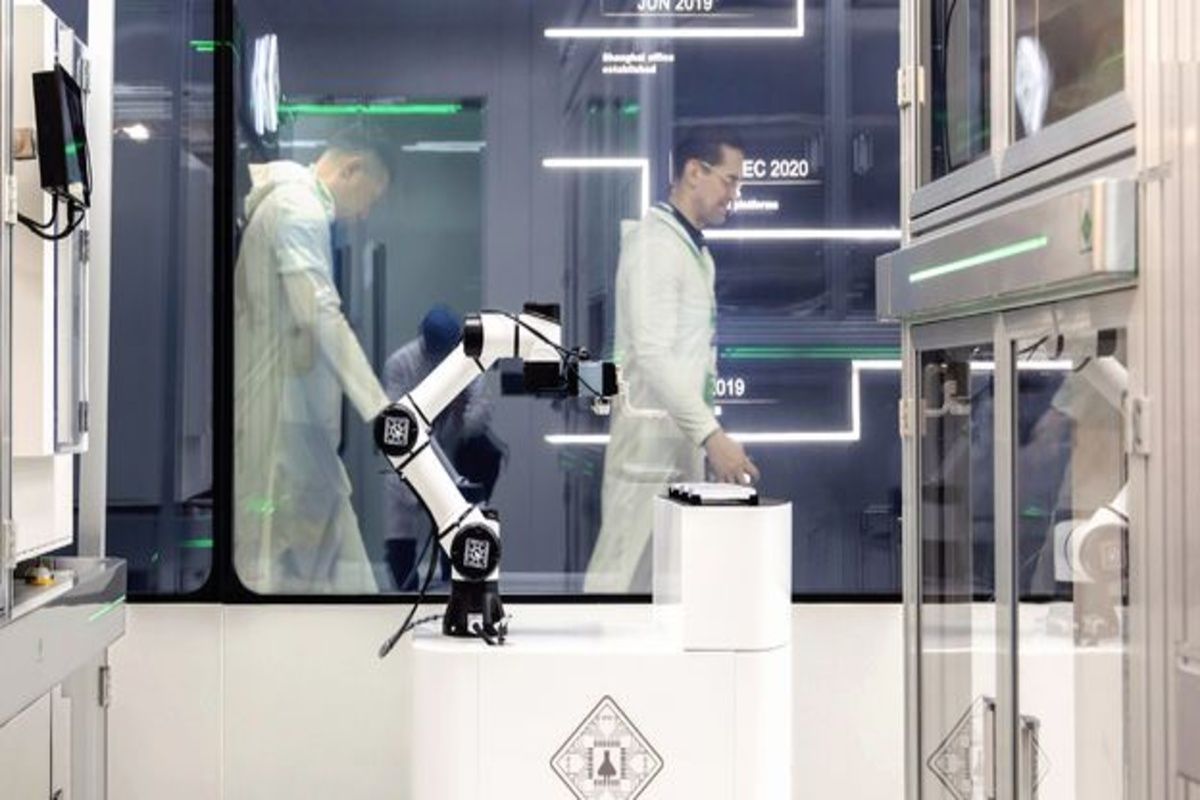
Researchers continue to debate the exact biological causes of Parkinson’s disease. This uncertainty has complicated drug discovery for decades. AI now provides a powerful new strategy for identifying potential therapies.
Scientists believe that misfolded proteins in the brain, known as Lewy bodies, play a major role in Parkinson’s symptoms. Researchers at the University of Cambridge use AI to search for molecules that interact with these proteins. Michele Vendruscolo, co-director of the Centre for Misfolding Diseases, explains that AI can screen billions of compounds in a short time. Traditional methods would require enormous time and resources to perform the same task.
The system analyzed chemical structures and suggested five promising molecules that bind to Lewy bodies. Scientists are now testing these compounds to determine whether they could become future treatments. Vendruscolo’s team is also studying ways to stabilize healthy proteins before damage begins. This strategy could eventually shift treatment from symptom management to disease prevention.
Repurposing Existing Drugs
Artificial intelligence is also helping scientists discover new uses for existing medicines. This strategy, known as drug repurposing, can significantly shorten development timelines because many approved drugs already have established safety records.
David Fajgenbaum, an associate professor at the University of Pennsylvania, experienced this approach firsthand. He survived a rare subtype of Castleman disease after doctors treated him with sirolimus, a drug normally used to prevent kidney transplant rejection. His experience inspired him to launch Every Cure, a nonprofit organization that uses AI to match approved drugs with thousands of diseases.
Every Cure analyzes massive biomedical databases to identify overlooked treatment possibilities. Other institutions are pursuing similar strategies. Researchers at Harvard Medical School used artificial intelligence to analyze nearly 8,000 approved drugs against 17,000 diseases. Their findings demonstrated how AI could reveal new treatment options for conditions that pharmaceutical companies rarely study.
Scientists at McGill University have also built a “virtual disease system” that models cellular changes using AI. They applied the technology to rare lung disorders such as idiopathic pulmonary fibrosis.
Their system identified eight promising treatment options, including a hypertension drug with an established safety record. Meanwhile, companies such as Insilico Medicine are designing entirely new medicines with AI. One candidate, Rentosertib, is currently undergoing phase two clinical trials for pulmonary fibrosis.
Despite these advances, challenges remain. Many drug databases remain private, which limits the data available to train AI systems. In addition, AI mainly supports early-stage discovery and target identification. Scientists must still perform extensive laboratory research and clinical trials before patients can receive new treatments.
Even so, experts remain optimistic about the technology’s future. Jun Ding, an assistant professor at McGill University, predicts that artificial intelligence will guide most new drug discoveries within the next five to ten years. AI could become either a critical research tool or the main engine that drives pharmaceutical innovation.
Artificial intelligence is opening a new chapter in modern medicine. Researchers can now tackle scientific problems that once seemed impossible. From combating antibiotic resistance to searching for Parkinson’s treatments and rare disease therapies, AI continues to reshape medical research.
While obstacles remain, the technology’s potential to transform healthcare and save lives is immense. Many scientists believe the coming decade could bring treatments for diseases that humanity once considered incurable.



Leave a reply


 It seems that Mr. Bridgerton is not the only one swept up in a romance#bridgerton #bridgertonseason400:23
 Mr and Mrs Bridgerton #bridgerton #penelope #theprimemag00:07
 That classic sibling energy where "I’m sorry" actually means "I’m going to do it again #zendaya00:19
 The groom is here #robertpattinson #thedrama #edwardcullen #moviepremiere #funnymoment00:36
 #rihanna and #asaprocky looking great in #paris #theprimemag00:20
 #ElizabethOlsen and #AnthonyMackie on the red carpet00:09
 #SelenaGomez stepped out for the Rare Beauty Matte Foundation launch on Thursday00:17
 #cardib performance yesterday in #vegas #Valentines2026 #lustremagazine00:11
 #CardiB #WholesomeChaos #ProtectTheCrow #FunnyMoment #CelebrityMoments00:07
 They never told you about this Golden Globes gaffe with #JenniferLopez and #JeremyRenner00:11
 #bridgerton #netflix #trending #viral #misspossy #bridgertonseason401:17
 He definitely got it🤩🔥#onechallenge #thewoahchallenge #tiktok #dancetrends #hiphop #dancers00:18
 Oh No! 😂 #funny #relatable #trending #memes00:08
 #LeBron has made a major impact off the court his commitment to education and his community01:01
 😂😂 #memes #baby #fun #funny #trending00:08
 The only time #Shaq really went one-on-one with #LeBron #shaquilleoneal #lebronjames00:29
 Shaq did this on live tv… 😂 #shaq #insidethenba #charlesbarkley #shaquilleoneal #nba00:17
 You just know Kendrick’s heart dropped before he laughed 😭 #shaq #ShaquilleO’Neal00:10
 #nickiminaj or #cardib . That’s a tough one for #50cent 😂00:13
 #sofiavergara in #ModernFamily: #Sofía #Sitcom #FamilyComedy #funny #TVSeries01:00
 #SofíaVergara when asked about arrest on #TheEllenDeGeneresShow 😂00:20
 #Steve Harvey and #shaq on an episode of Family Feud #funny #theprimemag00:57
 #CillianMurphy fake laugh became the focus of the conversation on Jimmy Kimmel Live #theprimemag00:15
 Moment #KatyPerry surprised Benjamin Glaze with a kiss during his American Idol 2018 audition00:37
 #SelenaGomez and music producer #BennyBlanco00:13


The Prime is a dynamic publication delivering the latest in entertainment, lifestyle, culture, sports and world news, bringing sharp insight, fresh perspectives and stories that matter to a global audience.
