
How Film Scores Impact Emotional Storytelling
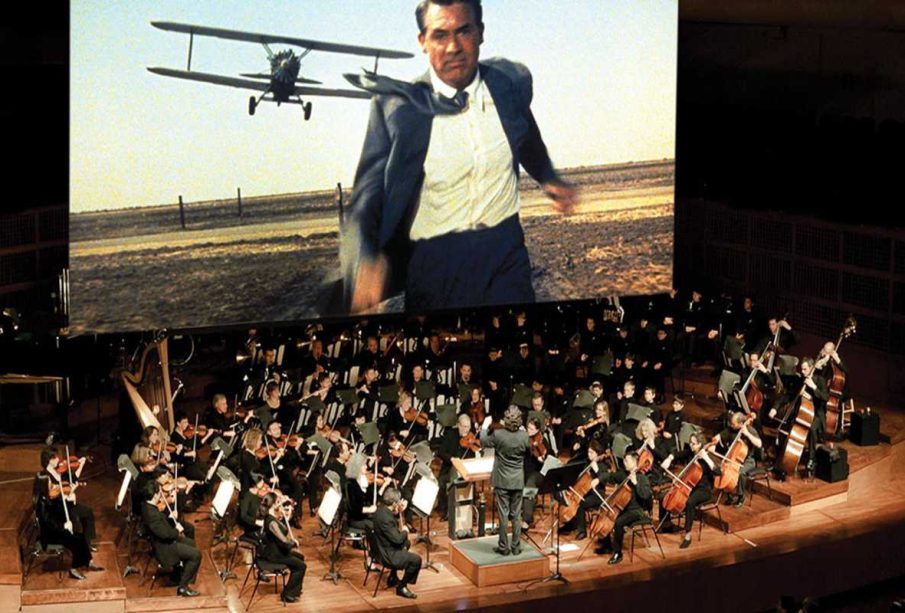
How film scores impact emotional storytelling is one of the most powerful ideas in cinema, even though many viewers do not always notice it. Music in film does more than fill silence.
It shapes how people feel, guides attention, and helps the audience connect deeply with characters and moments. From quiet piano notes in emotional scenes to loud orchestras in action sequences, film scores create a strong emotional layer that words alone cannot carry.
In simple terms, a film score is the background music written to support a movie. It is carefully designed to match the tone, pace, and mood of each scene. Great composers understand how sound influences human emotions, and they use that knowledge to make stories more memorable.
The Role of Music in Film
Film music acts like an invisible narrator. It tells the audience how to feel without saying a word. When a scene is sad, soft and slow music can make viewers feel that sadness more deeply. When a scene is tense, fast and sharp sounds can create fear or excitement.
Think about a scene where a character walks into a dark room. Without music, the moment may feel flat. Add a low, steady sound, and suddenly the tension rises. The audience begins to expect something to happen. This is how film scores guide emotional reactions.
Composers like Hans Zimmer and John Williams are known for creating music that stays in the mind long after the film ends. Their work shows clearly how film scores impact emotional storytelling in ways that feel natural and powerful.
How Music Connects Viewers to Characters
One of the most important ways film scores work is by helping viewers connect with characters. Music can express feelings that characters do not say out loud. It can reveal fear, love, hope, or pain.
In The Lion King, the music adds emotional depth to Simba’s journey. When he faces loss, the music becomes slow and heavy. When he finds strength, the music rises and feels strong and hopeful. Even without dialogue, the audience understands his emotions.
This connection is key to how film scores impact emotional storytelling. When viewers feel what a character feels, they become more invested in the story. They care more about what happens next.
6 Ways Film Scores Impact Emotional Storytelling
1. Building Tension and Release
Film scores are also used to build tension and then release it. This is common in action, thriller, and horror films. Music can slowly increase in speed or volume to create suspense. Then, at the right moment, it can stop suddenly or change tone to release that tension.
In Jaws, the famous two note theme is a simple but powerful example. As the sound repeats and grows louder, the audience feels danger coming closer. Even before the shark appears, viewers already feel fear.
This technique shows how film scores impact emotional storytelling by controlling the pace of emotions. The audience is guided step by step, without even realizing it.
2. Creating Identity Through Musical Themes
Many films use specific musical themes for characters, places, or ideas. These are often called leitmotifs. When a theme plays, it reminds the audience of something important.
In Star Wars, each main character has a unique musical theme created by John Williams. When Darth Vader appears, his strong and dark theme plays. This instantly tells the audience about his power and presence.
These themes help viewers follow the story more easily. They also make the film more memorable. This is another clear example of how film scores impact emotional storytelling in a structured and creative way.
3. Enhancing Visual Storytelling
Film is a visual medium, but music adds another layer that makes scenes more complete. A beautiful shot becomes even more powerful when paired with the right music.
In Interstellar, the score by Hans Zimmer uses organ sounds to create a sense of space and wonder. The visuals of space travel are already impressive, but the music makes them feel emotional and meaningful.
Without music, many scenes would lose their depth. The visuals show what is happening, but the score helps the audience feel why it matters.
4. Supporting Story Pacing
Music also helps control the pace of a film. Fast music can make scenes feel urgent and exciting. Slow music can make moments feel calm or emotional.
In action films, quick rhythms match fast movement. In romantic scenes, soft melodies create a gentle and emotional pace. This balance keeps the audience engaged from start to finish.
This is another way how film scores impact emotional storytelling. They help the story move smoothly and keep viewers interested.
5. Cultural and Emotional Context
Film scores often reflect cultural elements that add meaning to a story. Instruments, rhythms, and melodies can represent a specific place or tradition.
In Black Panther, the score by Ludwig Göransson includes African musical elements. This gives the film a strong cultural identity and makes the story feel more authentic.
Music can also connect with universal human emotions. Even if viewers do not understand the language of a film, they can still feel the emotions through the score.
6. Emotional Memory and Lasting Impact
Many people remember films because of their music. A strong score can stay in the mind for years. Hearing the music again can bring back the emotions of the film instantly.
Think of the music from Titanic. The main theme connects deeply with the love story and emotional moments in the film. Even years later, the music still carries that emotional weight.
This lasting impact is one of the strongest proofs of how film scores impact emotional storytelling. Music helps stories live beyond the screen.
Collaboration Between Director and Composer
Creating a great film score is a team effort. Directors and composers work closely to make sure the music fits the vision of the film.
The director explains the emotion of each scene, and the composer translates that into music. This process requires skill, creativity, and understanding of human emotions.
When this collaboration works well, the result is a seamless blend of visuals and sound. The audience does not notice the effort, but they feel the impact.
Modern Trends in Film Scoring
Film scoring has changed over time. Today, composers use both traditional instruments and digital tools. This allows for new sounds and styles.
Some modern films use minimal music, focusing on simple sounds. Others use bold and experimental scores. Despite these changes, the goal remains the same, to support the story and connect with the audience.
The evolution of music shows that how film scores impact emotional storytelling continues to grow with new ideas and technology.
The Emotional Power of Simplicity
Not all great film scores are complex. Sometimes, simple music can be the most powerful. A few notes played at the right moment can create strong emotions.
This simplicity makes the music easy to remember. It also allows the audience to focus on the story.
Composers understand that it is not about how much music is used, but how well it fits the scene.
Final Thoughts
How Film Scores Impact Emotional Storytelling is a key part of what makes films powerful and unforgettable. Music shapes emotions, builds connections, and adds meaning to every scene. It works quietly in the background, but its impact is strong and lasting.
From creating tension to expressing deep feelings, film scores guide the audience through the story in a natural way. They turn simple scenes into emotional experiences and help viewers connect with characters on a deeper level.
As cinema continues to grow, the role of music will remain essential. Film scores will keep shaping how stories are told and how they are felt.
If you found this helpful, save this guide or share it with a friend who loves film and storytelling.



Leave a reply


 It seems that Mr. Bridgerton is not the only one swept up in a romance#bridgerton #bridgertonseason400:23
 Mr and Mrs Bridgerton #bridgerton #penelope #theprimemag00:07
 That classic sibling energy where "I’m sorry" actually means "I’m going to do it again #zendaya00:19
 The groom is here #robertpattinson #thedrama #edwardcullen #moviepremiere #funnymoment00:36
 #rihanna and #asaprocky looking great in #paris #theprimemag00:20
 #ElizabethOlsen and #AnthonyMackie on the red carpet00:09
 #SelenaGomez stepped out for the Rare Beauty Matte Foundation launch on Thursday00:17
 #cardib performance yesterday in #vegas #Valentines2026 #lustremagazine00:11
 #CardiB #WholesomeChaos #ProtectTheCrow #FunnyMoment #CelebrityMoments00:07
 They never told you about this Golden Globes gaffe with #JenniferLopez and #JeremyRenner00:11
 #bridgerton #netflix #trending #viral #misspossy #bridgertonseason401:17
 He definitely got it🤩🔥#onechallenge #thewoahchallenge #tiktok #dancetrends #hiphop #dancers00:18
 Oh No! 😂 #funny #relatable #trending #memes00:08
 #LeBron has made a major impact off the court his commitment to education and his community01:01
 😂😂 #memes #baby #fun #funny #trending00:08
 The only time #Shaq really went one-on-one with #LeBron #shaquilleoneal #lebronjames00:29
 Shaq did this on live tv… 😂 #shaq #insidethenba #charlesbarkley #shaquilleoneal #nba00:17
 You just know Kendrick’s heart dropped before he laughed 😭 #shaq #ShaquilleO’Neal00:10
 #nickiminaj or #cardib . That’s a tough one for #50cent 😂00:13
 #sofiavergara in #ModernFamily: #Sofía #Sitcom #FamilyComedy #funny #TVSeries01:00
 #SofíaVergara when asked about arrest on #TheEllenDeGeneresShow 😂00:20
 #Steve Harvey and #shaq on an episode of Family Feud #funny #theprimemag00:57
 #CillianMurphy fake laugh became the focus of the conversation on Jimmy Kimmel Live #theprimemag00:15
 Moment #KatyPerry surprised Benjamin Glaze with a kiss during his American Idol 2018 audition00:37
 #SelenaGomez and music producer #BennyBlanco00:13


The Prime is a dynamic publication delivering the latest in entertainment, lifestyle, culture, sports and world news, bringing sharp insight, fresh perspectives and stories that matter to a global audience.
