
How Memes Influence Modern Humor
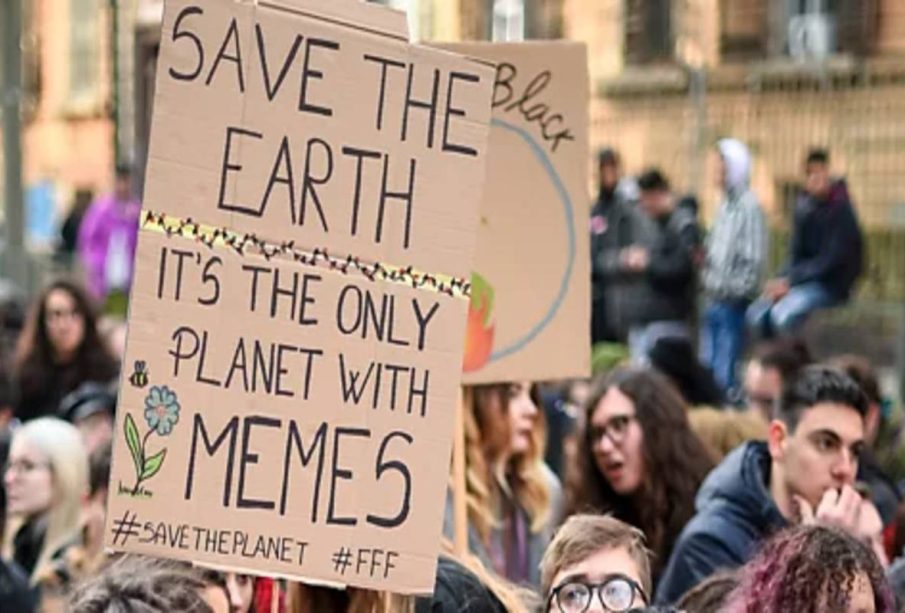
The conversation about how memes influence modern humor has become impossible to ignore in today’s digital culture. A single image, short video, or caption can travel across the internet within minutes and make millions of people laugh at the same idea.
What once required a stand-up comedian or television sketch can now happen through a simple meme shared on social media. These short pieces of visual humor have changed how people joke, react to events, and connect with one another online.
Memes have grown into one of the most powerful forms of cultural communication on the internet. They are quick, simple, and relatable. Instead of long explanations, a meme delivers humor in seconds.
A familiar image paired with a clever caption can express emotions, frustration, excitement, or sarcasm in ways that words alone often cannot.
Modern humor now moves at the speed of the internet. A trending meme today may disappear tomorrow, yet the impact it leaves on online culture remains strong.
People now reference memes in daily conversations, marketing campaigns, and even political commentary. Understanding How Memes Influence Modern Humor helps explain why internet culture has become such a powerful force in shaping the way people laugh, react, and communicate today.
The Rise of Memes in Digital Culture
The concept of a meme did not start with the internet. The term was first introduced by evolutionary biologist Richard Dawkins in his 1976 book The Selfish Gene.
Dawkins described memes as cultural ideas that spread from person to person, much like genes spread through biological reproduction. At the time, the idea focused on cultural trends such as music, fashion, or sayings.
The internet transformed this concept into something much more visual and immediate. Platforms like Instagram, TikTok, and X have made it easy for users to create and share memes in seconds. A funny image posted in one country can quickly reach audiences across the world.
One reason memes spread so quickly is their simplicity. Most memes rely on familiar expressions, everyday situations, or exaggerated reactions. A popular image might show someone looking confused, excited, or shocked. When paired with a clever caption, it becomes instantly relatable.
Memes also allow people to participate in humor creation. Unlike traditional comedy, where audiences simply watch performers, memes invite everyone to contribute.
Users can edit, remix, and repost existing formats with their own ideas. This constant remixing keeps internet humor fresh and constantly evolving.
As a result, memes have become the language of online culture. They are used to react to news, comment on daily struggles, and celebrate shared experiences. The speed at which memes circulate has made them one of the most influential tools for humor in the digital age.
The Psychology Behind Meme Humor
The reason memes are funny often goes beyond the image itself. Meme humor works because it taps into shared experiences and emotions. When people see a meme that reflects a situation they recognize, they feel an instant connection to the joke.
Humor researchers explain that laughter often comes from recognition and surprise. Memes combine both elements. The audience recognizes the situation being described, while the caption introduces an unexpected twist. This combination creates a quick moment of amusement.
Memes also reduce the effort required to understand a joke. Traditional comedy may rely on storytelling that takes several minutes to build. Memes compress that process into a single image and a few words. The audience immediately understands the context and the punchline.
Another reason memes resonate with people is their ability to express feelings that are difficult to explain. For example, memes about work stress, social awkwardness, or everyday frustrations allow people to laugh at situations they deal with regularly. Instead of feeling alone, viewers realize that many others share the same experiences.
This emotional relatability is a key reason why how memes influence modern humor has become such an important topic. Memes create a shared language of reactions that people across cultures can understand quickly.
Memes and the Speed of Modern Comedy
One of the most striking aspects of meme culture is how quickly humor evolves. In traditional entertainment, comedy trends often developed over several years. Television shows and movies shaped public humor gradually.
Today, meme trends can emerge within hours. A viral video, celebrity moment, or news event can become a meme the same day it happens. Within days, thousands of variations appear across the internet.
The rise of social platforms has accelerated this process. On TikTok, for example, a sound clip or reaction video may inspire millions of humorous recreations. Users imitate, exaggerate, and adapt the idea into their own comedic style.
This rapid cycle creates a living ecosystem of humor. Memes appear, grow, and sometimes disappear quickly. Yet they leave a lasting influence on how people express jokes and reactions online.
Another important factor is visual storytelling. Memes rely heavily on facial expressions, exaggerated reactions, and simple captions. This format allows humor to cross language barriers. Even without reading the caption, viewers often understand the joke through the image alone.
As internet access continues to expand around the world, memes will likely remain one of the fastest-moving forms of humor ever created.
Memes in Media, Marketing, and Pop Culture
The influence of memes now extends far beyond casual internet jokes. Businesses, media companies, and public figures have begun using meme culture to connect with audiences.
Brands often create meme-inspired content to appear relatable and current. When done well, this approach can attract younger audiences who are already familiar with popular meme formats.
Companies use humor to promote products in ways that feel less formal and more conversational.
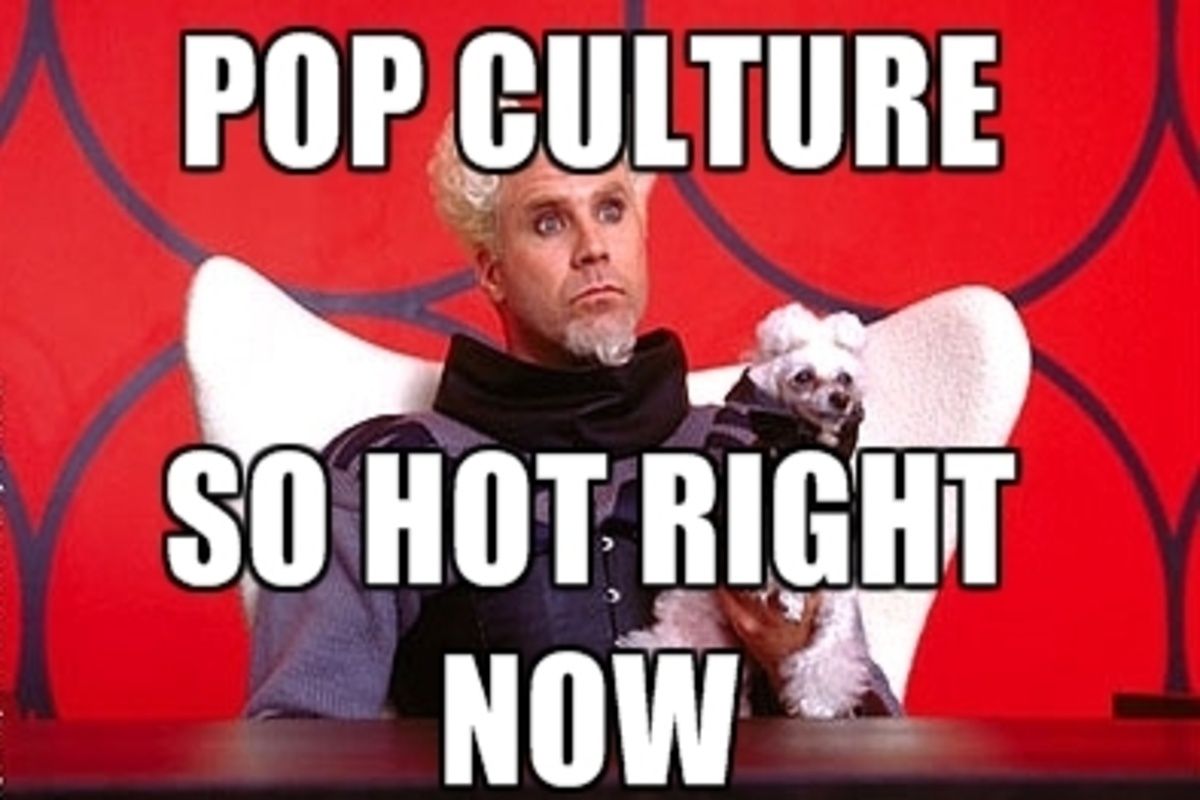
Memes also play a role in political commentary and social discussion. During major global events, memes often appear within minutes. These humorous reactions allow people to express opinions, frustration, or criticism through comedy.
The entertainment industries have also embraced meme culture. Movie scenes, television moments, and celebrity reactions frequently become memes that circulate online. Sometimes a short clip becomes more widely known than the original program itself.
Because of this influence, understanding how memes influence modern humor also means recognizing their role in shaping public conversation. Memes can highlight cultural trends, reflect public moods, and capture moments in history through humor.
The Future of Meme-Driven Humor
As technology continues to evolve, meme culture will likely grow even more influential. Artificial intelligence tools, video editing apps, and creative platforms allow users to produce memes faster than ever before.
Short video memes are already becoming more popular, particularly on platforms like TikTok. These clips combine music, reactions, and captions to create layered comedic moments that spread rapidly across social media.
Another important trend is community-based humor. Online communities often develop their own meme formats and inside jokes. These shared references strengthen group identity and make digital spaces feel more personal.
At the same time, the speed of meme culture raises questions about originality and creative ownership. Because memes rely on constant remixing, it can be difficult to trace where an idea began. Yet this collaborative creativity is also what makes meme humor so dynamic.
Looking ahead, memes will likely continue to shape how people communicate emotions, opinions, and humor online. The influence of internet culture is now deeply connected to everyday communication.
Understanding how memes influence modern humor reveals more than just why people laugh online. It shows how technology, creativity, and shared experiences have combined to create a new language of humor for the digital generation.
Enjoyed this read? Save this guide or share it with a friend who loves internet culture.




Leave a reply


 It seems that Mr. Bridgerton is not the only one swept up in a romance#bridgerton #bridgertonseason400:23
 Mr and Mrs Bridgerton #bridgerton #penelope #theprimemag00:07
 That classic sibling energy where "I’m sorry" actually means "I’m going to do it again #zendaya00:19
 The groom is here #robertpattinson #thedrama #edwardcullen #moviepremiere #funnymoment00:36
 #rihanna and #asaprocky looking great in #paris #theprimemag00:20
 #ElizabethOlsen and #AnthonyMackie on the red carpet00:09
 #SelenaGomez stepped out for the Rare Beauty Matte Foundation launch on Thursday00:17
 #cardib performance yesterday in #vegas #Valentines2026 #lustremagazine00:11
 #CardiB #WholesomeChaos #ProtectTheCrow #FunnyMoment #CelebrityMoments00:07
 They never told you about this Golden Globes gaffe with #JenniferLopez and #JeremyRenner00:11
 #bridgerton #netflix #trending #viral #misspossy #bridgertonseason401:17
 He definitely got it🤩🔥#onechallenge #thewoahchallenge #tiktok #dancetrends #hiphop #dancers00:18
 Oh No! 😂 #funny #relatable #trending #memes00:08
 #LeBron has made a major impact off the court his commitment to education and his community01:01
 😂😂 #memes #baby #fun #funny #trending00:08
 The only time #Shaq really went one-on-one with #LeBron #shaquilleoneal #lebronjames00:29
 Shaq did this on live tv… 😂 #shaq #insidethenba #charlesbarkley #shaquilleoneal #nba00:17
 You just know Kendrick’s heart dropped before he laughed 😭 #shaq #ShaquilleO’Neal00:10
 #nickiminaj or #cardib . That’s a tough one for #50cent 😂00:13
 #sofiavergara in #ModernFamily: #Sofía #Sitcom #FamilyComedy #funny #TVSeries01:00
 #SofíaVergara when asked about arrest on #TheEllenDeGeneresShow 😂00:20
 #Steve Harvey and #shaq on an episode of Family Feud #funny #theprimemag00:57
 #CillianMurphy fake laugh became the focus of the conversation on Jimmy Kimmel Live #theprimemag00:15
 Moment #KatyPerry surprised Benjamin Glaze with a kiss during his American Idol 2018 audition00:37
 #SelenaGomez and music producer #BennyBlanco00:13


The Prime is a dynamic publication delivering the latest in entertainment, lifestyle, culture, sports and world news, bringing sharp insight, fresh perspectives and stories that matter to a global audience.
