
How Social Media is Shaping Modern Humor
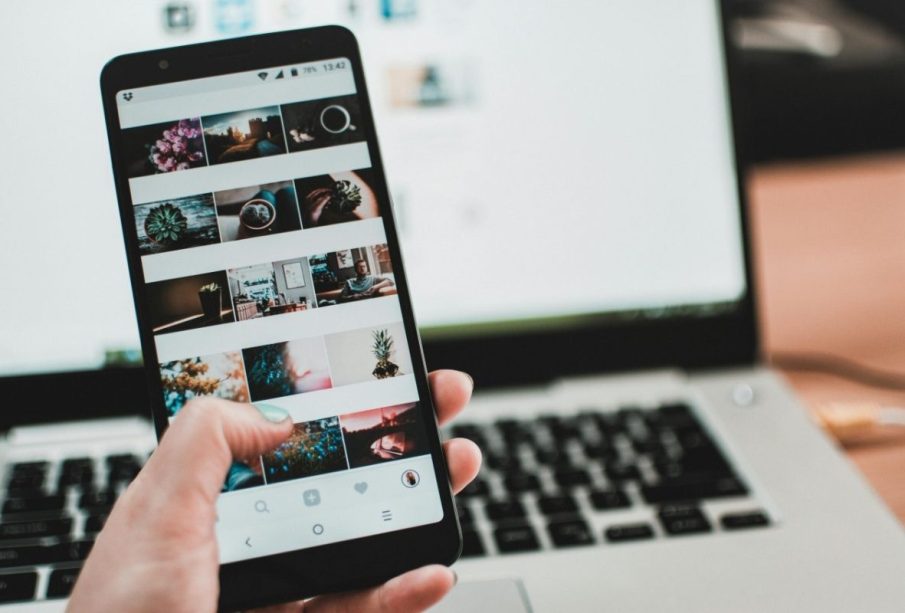
Social media has changed the way people create, share, and enjoy jokes, and it continues to define modern humor in real time. From short videos to quick posts, modern humor now moves faster than ever, reaching millions of people within minutes.
This constant flow of content has made modern humor more visual, more relatable, and deeply connected to everyday life. At the same time, modern humor reflects culture, language, and shared experiences, making it a powerful part of how people communicate online today.
Platforms like TikTok, Instagram, and X have turned ordinary users into creators. Anyone with a phone can now make a joke that spreads across the world. This open space has created new styles of humor and has changed what people find funny.
The Rise of Short Form Content
One of the biggest changes in humor today is the rise of short-form content. Videos that last a few seconds now carry jokes that once needed long setups. A simple expression, a sound, or a quick cut can deliver laughter instantly.
On TikTok, creators use trends, sounds, and filters to create jokes that feel fresh and current. These trends spread quickly because users recreate them in their own way. This creates a shared experience where millions of people are in on the same joke.
Memes also play a big role. A single image with text can capture a feeling or situation in a way that feels both simple and powerful. This format works because it connects with daily life. People see themselves in the joke, which makes it more engaging.
The speed of short content has changed attention spans. Jokes now need to be quick and clear. This has made humor sharper and more direct, with less need for long explanations.
Relatable Humor and Everyday Life
Modern humor today is strongly tied to everyday experiences. Instead of focusing only on big events or famous people, many jokes now come from daily struggles, work life, relationships, and personal thoughts.
On Instagram and X, users share posts about simple moments like missing deadlines, dealing with stress, or reacting to common situations. These posts often go viral because people feel seen and understood.
This form of humor creates a sense of connection. It reminds people that they are not alone in their experiences. It also makes humor more inclusive, as more voices and perspectives are shared online.
Relatable humor is also easy to share. A person can send a meme or video to a friend and instantly create a moment of connection. This simple act has become a daily habit for many people.
The Role of Influencers and Content Creators
Content creators have become central to how humor is shaped today. Many influencers build their identity around comedy, using their platforms to share skits, reactions, and commentary.
Creators like Khaby Lame have gained global recognition by using simple, silent humor. His videos show that comedy does not always need words. Facial expressions and actions can speak to a wide audience.
Others like MrBeast mix humor with challenges and large scale content. While his main focus is entertainment, humor remains a key part of his style.
These creators influence trends. When they post a joke or format, many others follow. This creates a cycle where humor grows and changes through repetition and creativity.
Brands have also joined in. Companies now use humor in their posts to connect with audiences. This makes marketing feel more natural and less formal, which appeals to younger users.
Global Reach and Cultural Exchange
Social media has made humor global. A joke created in one country can quickly reach people in another. This has introduced audiences to different styles of comedy.
For example, African creators now reach global audiences with skits that reflect local culture and language. At the same time, global trends influence local humor, creating a blend of styles.
This exchange has made humor more diverse. People are exposed to new ideas and perspectives. It also encourages creativity, as creators combine different influences to create something unique.
However, not all humor translates easily. Cultural context plays a big role in what people find funny. A joke that works in one place may not have the same effect elsewhere. This has made creators more aware of their audience and how they communicate.
The Impact of Algorithms on Humor
Algorithms play a major role in what people see online. Platforms like TikTok and Instagram use data to decide which content appears on a user’s feed.
This system rewards content that gets strong reactions. Jokes that are funny, surprising, or relatable are more likely to be shared and promoted. As a result, creators often focus on making content that fits these patterns.
This can lead to repetition. Popular formats are reused many times because they are proven to work. While this keeps content familiar, it can also limit originality.
At the same time, algorithms help new creators gain visibility. A single post can reach millions of people, even if the creator is new. This keeps the space dynamic and open to fresh ideas.
Balancing Humor and Sensitivity
As humor spreads quickly online, it also faces more scrutiny. People are more aware of how jokes can affect others. This has led to more conversations about what is acceptable.
Creators now think more carefully about their content. They aim to be funny while also being respectful. This balance is not always easy, but it reflects a more thoughtful approach to humor.
Cancel culture and public reactions have also influenced how jokes are made. A post can receive strong feedback within minutes. This has made humor more cautious in some areas.
At the same time, social media allows people to speak up. Audiences can challenge content they find harmful. This has helped shape a more aware and inclusive form of comedy.
A New Creative Space for Comedy
Social media has opened new doors for comedy. People no longer need traditional platforms like television or film to reach an audience. They can create and share content directly.
This has given rise to new voices. Individuals from different backgrounds can share their stories and humor. This diversity has made comedy richer and more varied.
It has also changed how comedians build their careers. Many start online and later move to larger platforms. Social media acts as both a stage and a testing ground for ideas.
Modern humor continues to grow through this space. It adapts quickly to trends, events, and audience reactions. This constant change keeps it fresh and relevant.
Final Thoughts
Social media has deeply influenced how humor is created and shared. It has made comedy faster, more relatable, and closely connected to everyday life. It has also opened space for new voices, diverse perspectives, and fresh ideas that might not have found an audience in traditional media.
Modern humor reflects the world people live in. It captures emotions, challenges, and shared experiences in simple, clever, and creative ways. Memes, short videos, and viral jokes allow people to connect over common experiences, making humor a shared cultural language.
As platforms continue to evolve, humor will keep changing with them, adapting to new technologies, audience preferences, and global trends. Social media ensures that comedy remains dynamic, inclusive, and relevant, giving creators endless ways to entertain, provoke thought, and bring people together.
If you found this helpful, save this guide or share it with a friend who enjoys keeping up with online culture.



Leave a reply


 It seems that Mr. Bridgerton is not the only one swept up in a romance#bridgerton #bridgertonseason400:23
 Mr and Mrs Bridgerton #bridgerton #penelope #theprimemag00:07
 That classic sibling energy where "I’m sorry" actually means "I’m going to do it again #zendaya00:19
 The groom is here #robertpattinson #thedrama #edwardcullen #moviepremiere #funnymoment00:36
 #rihanna and #asaprocky looking great in #paris #theprimemag00:20
 #ElizabethOlsen and #AnthonyMackie on the red carpet00:09
 #SelenaGomez stepped out for the Rare Beauty Matte Foundation launch on Thursday00:17
 #cardib performance yesterday in #vegas #Valentines2026 #lustremagazine00:11
 #CardiB #WholesomeChaos #ProtectTheCrow #FunnyMoment #CelebrityMoments00:07
 They never told you about this Golden Globes gaffe with #JenniferLopez and #JeremyRenner00:11
 #bridgerton #netflix #trending #viral #misspossy #bridgertonseason401:17
 He definitely got it🤩🔥#onechallenge #thewoahchallenge #tiktok #dancetrends #hiphop #dancers00:18
 Oh No! 😂 #funny #relatable #trending #memes00:08
 #LeBron has made a major impact off the court his commitment to education and his community01:01
 😂😂 #memes #baby #fun #funny #trending00:08
 The only time #Shaq really went one-on-one with #LeBron #shaquilleoneal #lebronjames00:29
 Shaq did this on live tv… 😂 #shaq #insidethenba #charlesbarkley #shaquilleoneal #nba00:17
 You just know Kendrick’s heart dropped before he laughed 😭 #shaq #ShaquilleO’Neal00:10
 #nickiminaj or #cardib . That’s a tough one for #50cent 😂00:13
 #sofiavergara in #ModernFamily: #Sofía #Sitcom #FamilyComedy #funny #TVSeries01:00
 #SofíaVergara when asked about arrest on #TheEllenDeGeneresShow 😂00:20
 #Steve Harvey and #shaq on an episode of Family Feud #funny #theprimemag00:57
 #CillianMurphy fake laugh became the focus of the conversation on Jimmy Kimmel Live #theprimemag00:15
 Moment #KatyPerry surprised Benjamin Glaze with a kiss during his American Idol 2018 audition00:37
 #SelenaGomez and music producer #BennyBlanco00:13


The Prime is a dynamic publication delivering the latest in entertainment, lifestyle, culture, sports and world news, bringing sharp insight, fresh perspectives and stories that matter to a global audience.
