
How to Experience a City Like a Local
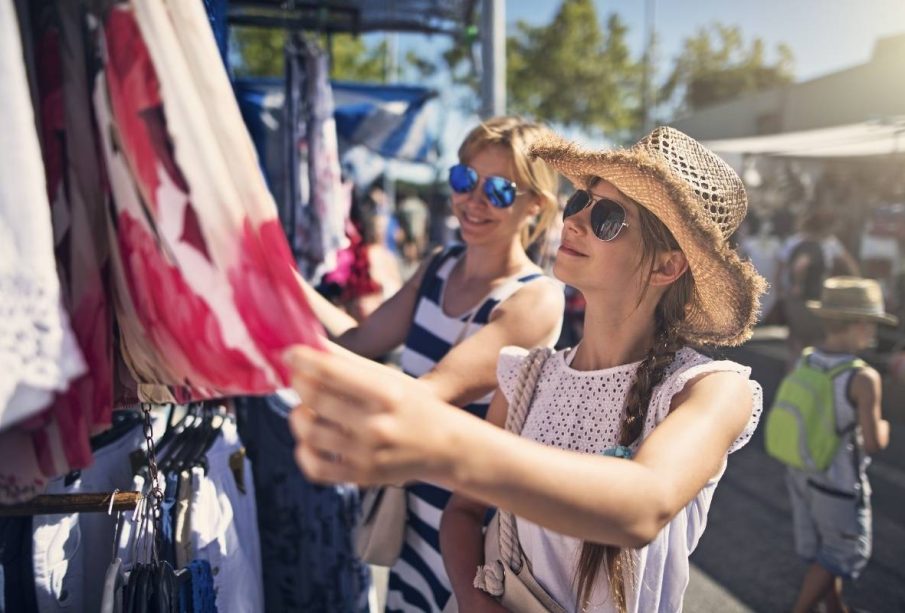
Traveling to a new city often comes with excitement and curiosity. Most visitors stick to popular attractions, snap photos, and follow guidebooks. But to truly experience a city like a local, you need to go beyond the tourist paths and immerse yourself in everyday life. It is about feeling the rhythm of the streets, observing the patterns of residents, and understanding the small details that make a city unique.
Whether it’s sipping coffee at a quiet café, walking through bustling markets, or joining a neighborhood gathering, these moments transform a visit into something richer and more memorable. This guide will help you experience a city like a local, connect with its culture, and create stories you will cherish long after your trip.
Practical Ways to Experience a City Like a Local
1. Start With the Neighborhoods
The soul of a city is in its neighborhoods. While downtown areas and historic centers are attractive, real life happens elsewhere. To experience a city like a local, spend time walking the streets where people live and work. Look for small parks, murals, local shops, and cafés where locals gather. Neighborhood streets have a character that guidebooks rarely capture.
- Discovering Hidden Corners
Small alleys, local squares, and even residential courtyards often reveal the city’s personality. In some cities, you might find a tiny bakery that has been running for decades, serving the same bread recipe handed down through generations. Street art might tell stories of community pride or local history. Observing children playing in parks, friends gathering for tea, or artisans working on their crafts gives a sense of daily life that sightseeing alone cannot provide.
- Conversations and Connections
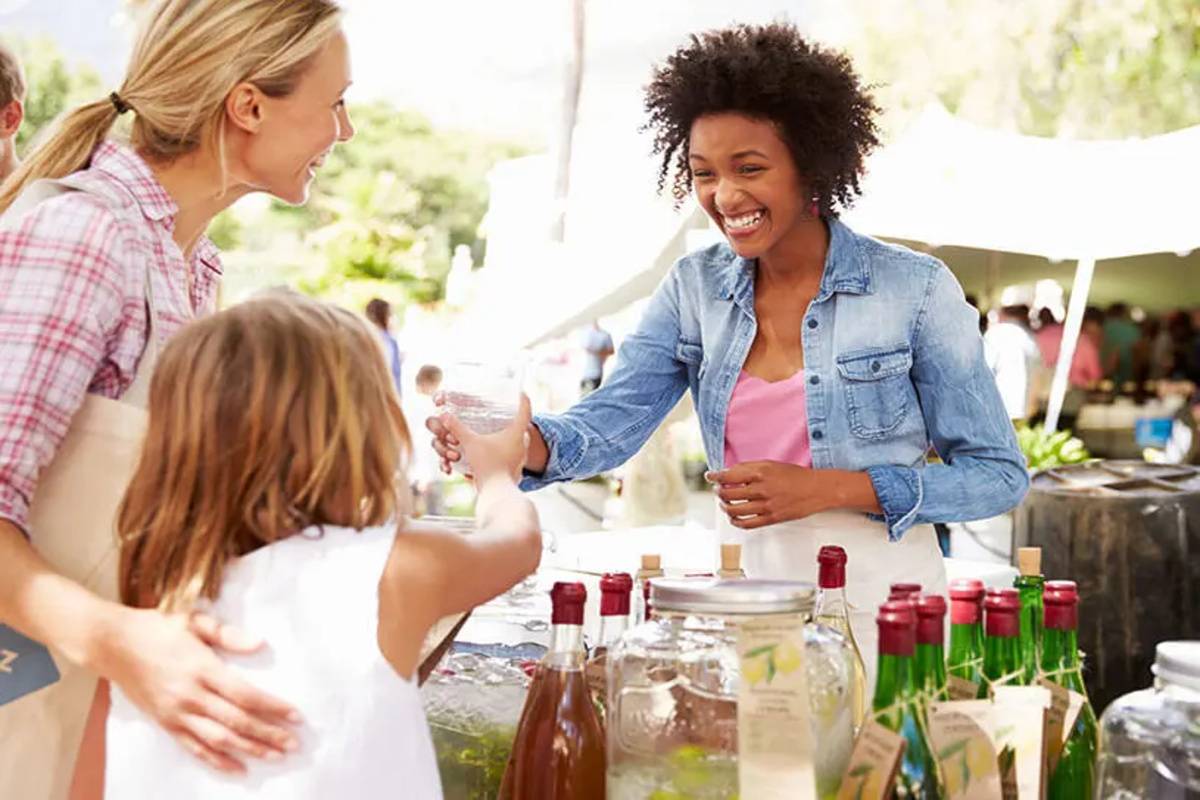
Spending time in neighborhoods also opens opportunities for interaction. A simple greeting or comment about a market stall can spark a conversation with a resident. Locals often enjoy sharing recommendations, from their favorite café to a quiet street with the best view of the sunset. These connections deepen your understanding of the city and create authentic memories.
2. Use Public Transportation and Walk
One of the most immersive ways to experience a city like a local is to rely on public transportation. Subways, buses, trams, or ferries give insight into how people move, work, and interact daily. Every journey shows the rhythms of the city and offers unexpected moments of discovery.
- The Stories on the Move
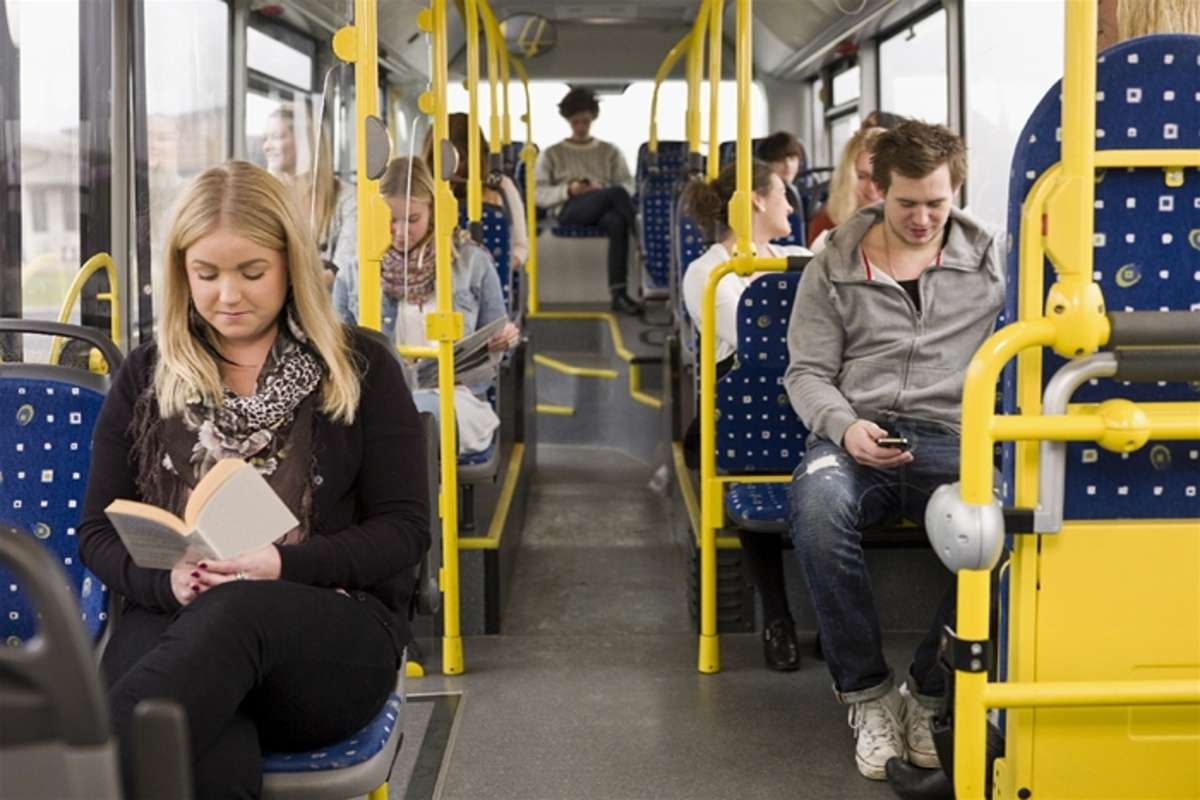
On public transport, you observe life in microcosm. The rush hour crowd, the street musician performing at the station, or the old man reading a newspaper on the bus, all these small details paint a rich picture of local culture. Even the subtle etiquette, like giving up a seat or avoiding loud conversations, becomes part of the experience.
- Walking the Streets
Walking is equally powerful. A city’s alleys, parks, and quiet streets reveal much more than avenues lined with tourist attractions. Walking allows you to pause whenever something catches your attention. The aroma of freshly baked bread from a corner bakery, the sound of children laughing in a courtyard, or a local vendor calling out their daily specials, these sensory experiences make the city feel alive. Walking also helps you notice architecture, public art, and street life that often goes unseen when taking a taxi or bus.
3. Eat Where the Locals Eat
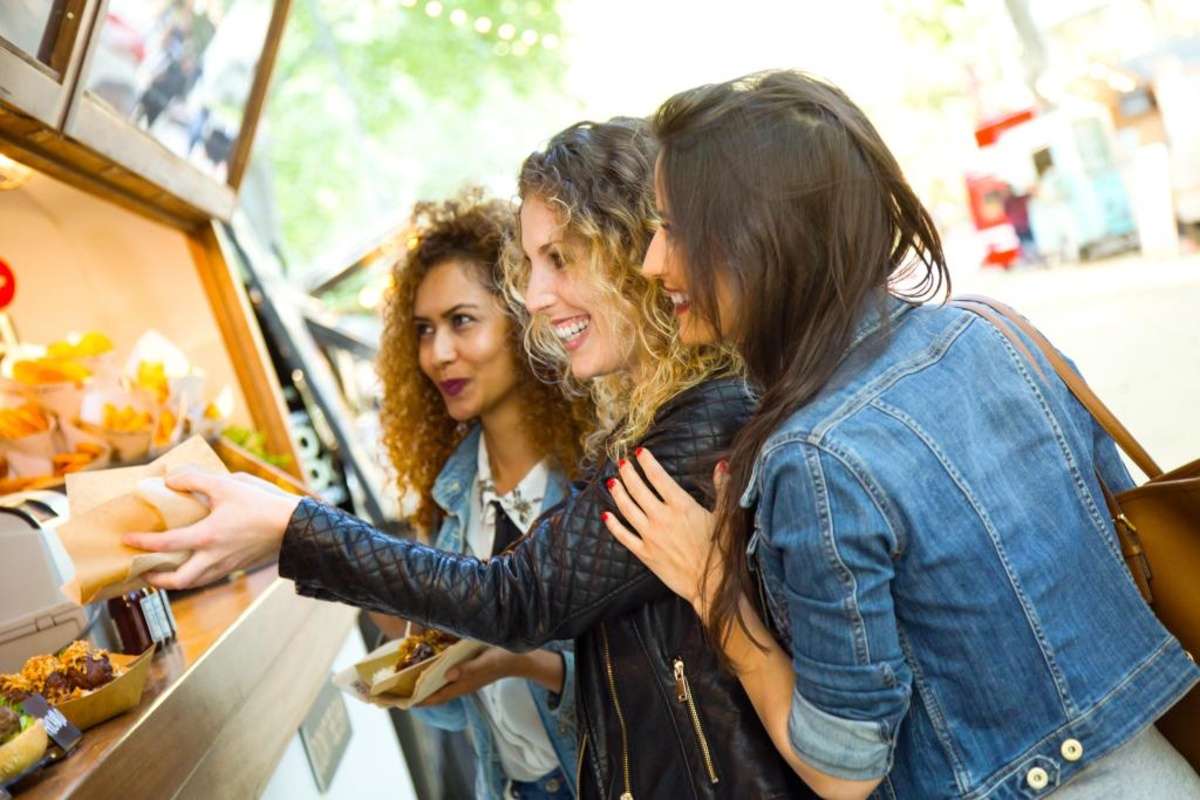
Food is one of the most direct ways to connect with a city. Famous restaurants have their charm, but the meals locals choose every day show true cultural flavor. Street food stalls, family-owned diners, neighborhood cafes, and markets provide authentic tastes that tell the story of a city.
- Timing and Atmosphere
To experience a city like a local, pay attention to meal timings and dining habits. Some cities start breakfast early with a strong coffee and pastry, while others gather for a long lunch. Evening food markets or late-night snack vendors reflect another side of daily life. Joining these rhythms immerses you in local culture.
- Local Recommendations
Don’t hesitate to ask for advice from the people around you. Locals often know the best hidden spots where the food is fresh and affordable. Tasting local specialties, like a traditional stew, street pastry, or fermented snack, connects you to history, lifestyle, and cultural identity.
- Culinary Experiences Beyond Eating
Cooking classes, food tours with residents, or even just observing a market transaction can enrich your understanding of how people eat, shop, and socialize. You’ll see that food is not only sustenance but a reflection of the community and its values.
4. Attend Local Events and Gatherings
Festivals, cultural events, and public gatherings are windows into a city’s life. They reveal music, dance, and social habits that visitors often miss. These events are spaces where you experience the city’s energy alongside residents.
- Festivals and Community Events
From small street performances to citywide festivals, events show what people celebrate and value. In some neighborhoods, a weekend market may become a meeting point for families and friends, filled with music, handmade goods, and laughter. Observing or joining these moments provides an authentic glimpse of life in the city.

- Small-Scale Gatherings
Even minor gatherings, like a local yoga class in the park, poetry reading, or sports match, reveal community dynamics. Being present allows you to connect, even without speaking the language fluently. You learn how people interact, prioritize leisure, and support each other.
5. Understand Local Etiquette and Culture
To experience a city like a local, it’s crucial to respect social norms and cultural practices. Understanding how people interact, what behaviors are polite, and what gestures are appreciated ensures you blend in naturally and avoid misunderstandings.
- Daily Etiquette
Simple practices, like greeting a shopkeeper, queuing politely, or showing respect in public spaces, make a difference. Observing how locals handle common situations—such as paying for groceries, tipping, or navigating public transport—gives you practical insight.
- Language and Communication
Learning basic phrases in the local language enhances your interactions. A simple “hello,” “thank you,” or “good morning” signals effort and respect. Residents often respond warmly to genuine attempts to communicate, opening doors to conversations that enrich your experience.
6. Move Beyond the Main Attractions
Landmarks and famous sites are important, but the essence of a city lies in everyday life. To experience a city like a local, spend time away from tourist-heavy areas.
- Everyday Spaces
Local libraries, bookstores, parks, and gyms provide insight into how people live. Even mundane spaces, like laundromats or corner shops, reveal routines and habits. Observing how residents engage in these spaces adds depth to your understanding.

- Observing Daily Life
Spending hours in a park or café allows you to watch interactions and patterns. Notice the types of conversations, how people relax after work, or how children play. These moments may seem small, but they reveal more about a city than a famous monument ever could.
7. Engage With Residents
Interacting with locals is the ultimate way to experience a city authentically. Conversations happen anywhere—on transport, in cafes, or during community events. Asking about favorite spots, local foods, or hidden gems often leads to unique experiences.
- Building Connections
Respectful curiosity fosters connections. Residents may invite you to join activities, share stories, or guide you to places you wouldn’t find alone. Engaging with locals turns ordinary moments into personal, memorable experiences that feel like a glimpse into everyday life.
- Shared Experiences
Joining a resident for a meal, attending a community gathering together, or walking through a market provides insight into perspectives and traditions. These shared experiences create a sense of belonging, even for a short visit.
8. Capture and Reflect on the Experience
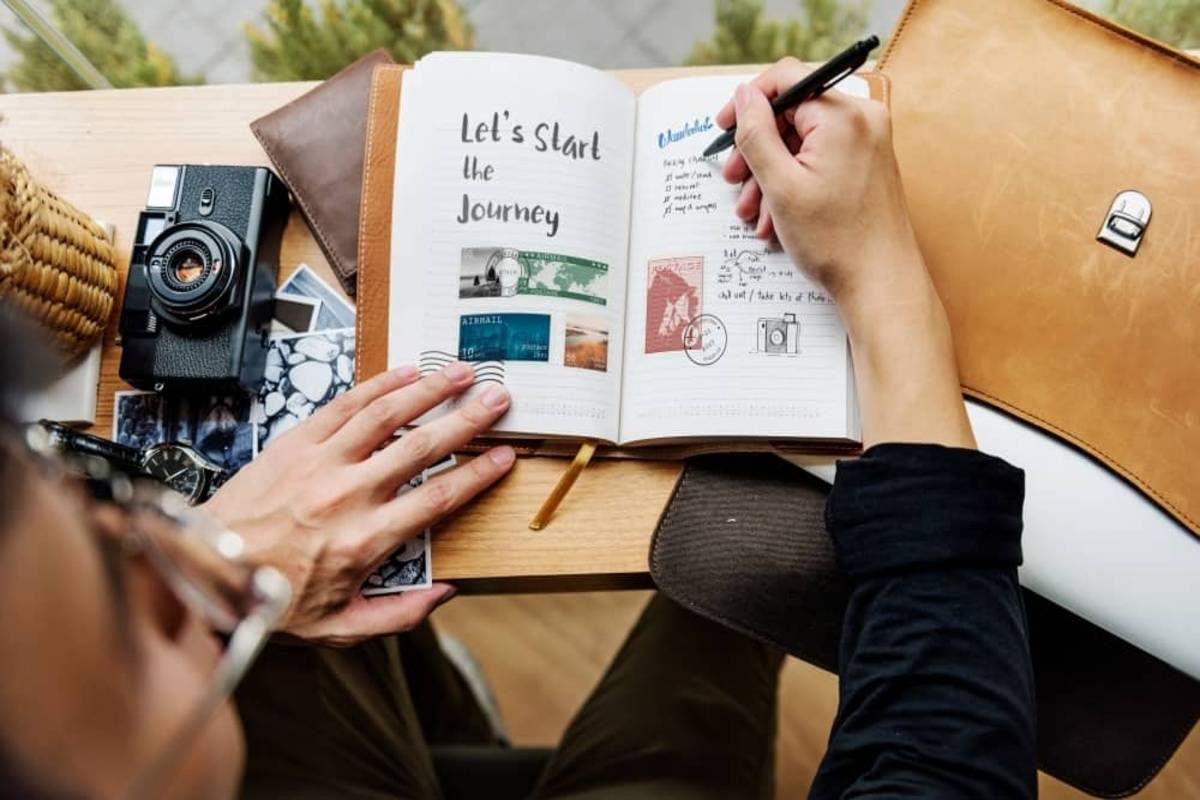
Experiencing a city like a local is about noticing details and reflecting on them. Writing, sketching, or photographing your journey helps solidify memories and insights.
- Journaling and Photography
Journaling what you see, taste, and hear provides a richer memory than simply relying on photos. Sketching street corners, noting interactions, or recording small sounds enhances your connection to the city.
- Reflection and Understanding
Taking time to reflect allows you to see patterns, appreciate differences, and recognize the subtle elements of culture. You notice the way neighborhoods function, the pace of life, and the nuances of human interaction. Reflection turns observation into understanding.
Final Thoughts
To experience a city like a local, immerse yourself in neighborhoods, rely on public transport, eat where residents eat, attend local events, and respect cultural norms. Move beyond main attractions, engage with residents, and take time to reflect. These steps turn an ordinary trip into a rich, authentic journey.
Curiosity, respect, and presence are your tools. Notice the details, feel the rhythm, and allow yourself to become part of the city’s story. The result is an experience that goes beyond sightseeing and leaves you with memories rooted in everyday life.
If this guide helped, share it with a friend or save it for your next trip to truly experience a city like a local.



Leave a reply


 It seems that Mr. Bridgerton is not the only one swept up in a romance#bridgerton #bridgertonseason400:23
 Mr and Mrs Bridgerton #bridgerton #penelope #theprimemag00:07
 That classic sibling energy where "I’m sorry" actually means "I’m going to do it again #zendaya00:19
 The groom is here #robertpattinson #thedrama #edwardcullen #moviepremiere #funnymoment00:36
 #rihanna and #asaprocky looking great in #paris #theprimemag00:20
 #ElizabethOlsen and #AnthonyMackie on the red carpet00:09
 #SelenaGomez stepped out for the Rare Beauty Matte Foundation launch on Thursday00:17
 #cardib performance yesterday in #vegas #Valentines2026 #lustremagazine00:11
 #CardiB #WholesomeChaos #ProtectTheCrow #FunnyMoment #CelebrityMoments00:07
 They never told you about this Golden Globes gaffe with #JenniferLopez and #JeremyRenner00:11
 #bridgerton #netflix #trending #viral #misspossy #bridgertonseason401:17
 He definitely got it🤩🔥#onechallenge #thewoahchallenge #tiktok #dancetrends #hiphop #dancers00:18
 Oh No! 😂 #funny #relatable #trending #memes00:08
 #LeBron has made a major impact off the court his commitment to education and his community01:01
 😂😂 #memes #baby #fun #funny #trending00:08
 The only time #Shaq really went one-on-one with #LeBron #shaquilleoneal #lebronjames00:29
 Shaq did this on live tv… 😂 #shaq #insidethenba #charlesbarkley #shaquilleoneal #nba00:17
 You just know Kendrick’s heart dropped before he laughed 😭 #shaq #ShaquilleO’Neal00:10
 #nickiminaj or #cardib . That’s a tough one for #50cent 😂00:13
 #sofiavergara in #ModernFamily: #Sofía #Sitcom #FamilyComedy #funny #TVSeries01:00
 #SofíaVergara when asked about arrest on #TheEllenDeGeneresShow 😂00:20
 #Steve Harvey and #shaq on an episode of Family Feud #funny #theprimemag00:57
 #CillianMurphy fake laugh became the focus of the conversation on Jimmy Kimmel Live #theprimemag00:15
 Moment #KatyPerry surprised Benjamin Glaze with a kiss during his American Idol 2018 audition00:37
 #SelenaGomez and music producer #BennyBlanco00:13


The Prime is a dynamic publication delivering the latest in entertainment, lifestyle, culture, sports and world news, bringing sharp insight, fresh perspectives and stories that matter to a global audience.
