
How to Travel Efficiently with Digital Tools
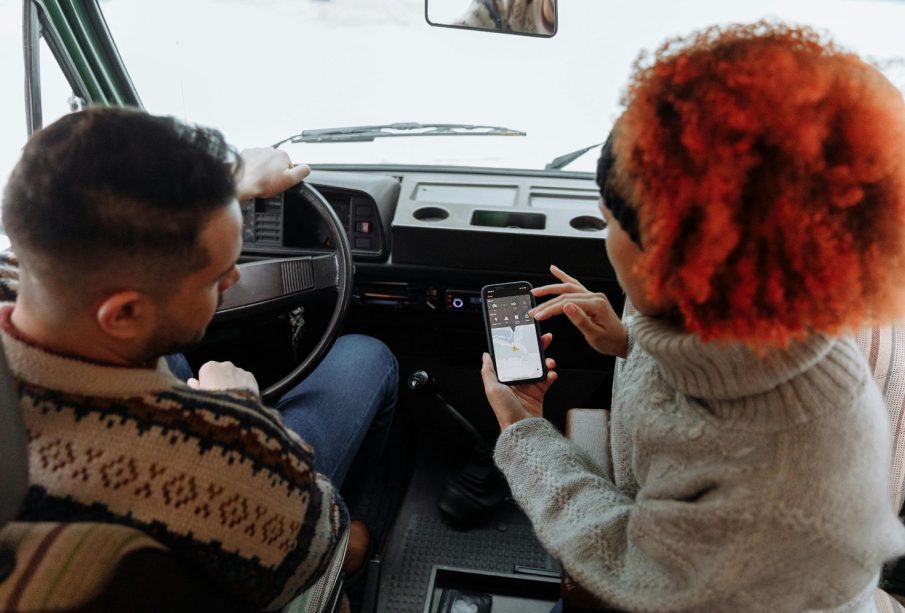
Travel today is more than packing bags and catching flights. Technology has completely transformed the way we experience the world, allowing travelers to plan smarter, move faster, and enjoy every moment with less stress.
Using the right digital tools for travel makes it possible to handle logistics effortlessly, from booking flights and finding accommodations to navigating unfamiliar streets and managing expenses.
Whether you are a frequent traveler or planning your first big trip, these tools empower you to stay organized, save time, and make decisions with confidence.
They not only simplify the practical side of traveling but also open up opportunities to discover hidden gems, try local experiences, and create memories that last a lifetime.
By embracing digital tools, your journey becomes smoother, more enjoyable, and more rewarding from start to finish.
Planning Your Trip Made Simple
A well-planned trip is always smoother. Modern travelers rely heavily on digital tools for travel, like Skyscanner, Kayak, and Google Flights, to find the best flights. These platforms allow you to compare prices, schedules, and even get alerts for deals.
For accommodations, apps like Booking.com, Airbnb, and Agoda help you find a stay that fits your budget and style. You can filter results by location, price, amenities, and reviews, ensuring your stay matches your expectations.
Trip planning apps like TripIt or Roadtrippers allow you to combine your flight, hotel, car rental, and activity bookings in one place. Instead of juggling emails or printed documents, you can view your entire itinerary on your phone.
Even activity planning has been simplified. Apps such as GetYourGuide or Viator allow you to book tours, tickets, and experiences ahead of time. This saves you from long queues and ensures popular attractions are not missed.
Staying Organized While Traveling
Organization is key to stress-free travel. Digital tools like Google Calendar or Microsoft Outlook allow you to schedule every detail of your trip. You can add flight times, hotel check-ins, and sightseeing plans, with reminders to keep you on track.
Packing can also be simplified using apps like PackPoint, which creates packing lists based on the weather, trip duration, and planned activities. You can even share lists with friends or family to coordinate group trips.
Tracking your luggage is another area where digital tools shine. Devices like Tile or Apple AirTag can attach to your bags. These trackers let you locate misplaced luggage using your phone, reducing travel anxiety and saving valuable time.
Traveling New Cities with Confidence
Surveying an unfamiliar city is easier than ever. Google Maps provides walking, driving, and public transport directions, with live updates for traffic. Citymapper is perfect for city transport systems, showing subway, bus, and train routes with estimated times.
Apps like Waze give real-time alerts for traffic jams, accidents, or road closures, helping you adjust routes on the go. For offline navigation, Maps.me and Google Maps offline mode allow you to explore without internet access, ensuring you can find your way anywhere.
Some apps, like Rome2rio, can even compare travel methods, showing options like trains, buses, ferries, and flights, along with estimated costs. With these tools, you can confidently explore every street and attraction without fear of getting lost.
Booking and Managing Accommodations

Finding the right accommodation is crucial to a smooth travel experience. Digital tools for travel like Airbnb, Booking.com, Expedia, and Hotels.com allow you to filter results by price, location, ratings, and amenities. You can read verified guest reviews to make informed decisions.
For travelers who decide plans last minute, HotelTonight specializes in same-day hotel deals, often at discounted prices. This flexibility can be invaluable during unpredictable trips.
Many accommodation apps provide notifications about check-ins, cancellations, or special offers. For example, Airbnb sends reminders before check-in and even provides local host tips, ensuring your stay is comfortable and stress-free.
Improving Experiences with Smart Recommendations
Traveling is about experiences, not just logistics. Apps like Yelp, TripAdvisor, and Foursquare provide recommendations for restaurants, attractions, and activities based on real user reviews.
Social media platforms like Instagram, TikTok, and Pinterest are also valuable travel guides. Following travel influencers, local guides, and hashtags lets you discover unique spots, hidden gems, and local favorites.
Digital tools for travel can even personalize recommendations. For example, Google Maps shows “places you might like” based on previous searches or visited locations. Using these apps makes your travel experience richer, allowing you to enjoy both famous landmarks and off-the-beaten-path attractions.
Managing Finances on the Go
Handling money while traveling can be complicated, especially when visiting multiple countries. Digital tools for travel like Wise, Revolut, PayPal, and Monzo simplify currency exchange, payments, and money transfers.
Digital wallets reduce the need for carrying large amounts of cash. They provide transaction tracking, instant alerts, and added security features. For example, Revolut allows you to spend abroad at the real exchange rate, saving money on fees.
Travelers can also use apps like Splitwise to manage group expenses, making trips with friends or family simpler and fairer.
Staying Connected and Safe
Connectivity is essential, especially when traveling internationally. Messaging apps like WhatsApp, Signal, and Telegram keep you in touch with family, friends, or guides.
Safety apps like SmartTraveler and TripWhistle provide emergency contacts, local laws, and health advice. VPN apps such as NordVPN or ExpressVPN protect your data when using public Wi-Fi.
Digital tools can also monitor your health during travel. Apps like TravelSafe or CDC Travel Health provide vaccine requirements and updates about local health risks, ensuring you remain informed.
Saving Time with Automation
Digital tools for travel save time by automating routine tasks. Flight tracking apps like FlightAware or TripIt Pro send instant updates for delays, gate changes, and boarding times. Hotel apps can notify you when rooms are ready or when deals are available.
Some apps, like Rome2rio, allow automatic planning of multi-step routes, comparing flights, trains, and buses. Automation frees your mental space, letting you focus on experiences instead of constantly checking schedules.
Integrating Travel Apps for a Seamless Experience
Using multiple apps can sometimes feel overwhelming. The best approach is integration. Many digital tools sync across platforms. For example, TripIt integrates flights, hotels, and car rentals into your calendar. Google Maps can link with rideshare apps like Uber or Bolt to show directions and pickup points in real time.
With everything connected, you receive updates across all tools. This reduces errors, missed flights, or forgotten appointments and makes travel feel effortless.
Final Thoughts
Traveling efficiently is no longer about just packing your bags. It is about combining smart planning, organization, and technology. By using digital tools for travel, you can plan smarter, navigate more easily, manage money safely, and enjoy richer experiences.
Apps and devices like Google Maps, TripIt, Airbnb, PackPoint, Revolut, and Tile simplify travel, making it organized, stress-free, and empowering.
Modern travel is about freedom, confidence, and enjoyment. By embracing these digital tools, you can focus on exploring new places, meeting people, and making lasting memories. Travel smarter, move faster, and experience more technology makes it possible.
Save this guide and make your next trip effortless!




Leave a reply


 It seems that Mr. Bridgerton is not the only one swept up in a romance#bridgerton #bridgertonseason400:23
 Mr and Mrs Bridgerton #bridgerton #penelope #theprimemag00:07
 That classic sibling energy where "I’m sorry" actually means "I’m going to do it again #zendaya00:19
 The groom is here #robertpattinson #thedrama #edwardcullen #moviepremiere #funnymoment00:36
 #rihanna and #asaprocky looking great in #paris #theprimemag00:20
 #ElizabethOlsen and #AnthonyMackie on the red carpet00:09
 #SelenaGomez stepped out for the Rare Beauty Matte Foundation launch on Thursday00:17
 #cardib performance yesterday in #vegas #Valentines2026 #lustremagazine00:11
 #CardiB #WholesomeChaos #ProtectTheCrow #FunnyMoment #CelebrityMoments00:07
 They never told you about this Golden Globes gaffe with #JenniferLopez and #JeremyRenner00:11
 #bridgerton #netflix #trending #viral #misspossy #bridgertonseason401:17
 He definitely got it🤩🔥#onechallenge #thewoahchallenge #tiktok #dancetrends #hiphop #dancers00:18
 Oh No! 😂 #funny #relatable #trending #memes00:08
 #LeBron has made a major impact off the court his commitment to education and his community01:01
 😂😂 #memes #baby #fun #funny #trending00:08
 The only time #Shaq really went one-on-one with #LeBron #shaquilleoneal #lebronjames00:29
 Shaq did this on live tv… 😂 #shaq #insidethenba #charlesbarkley #shaquilleoneal #nba00:17
 You just know Kendrick’s heart dropped before he laughed 😭 #shaq #ShaquilleO’Neal00:10
 #nickiminaj or #cardib . That’s a tough one for #50cent 😂00:13
 #sofiavergara in #ModernFamily: #Sofía #Sitcom #FamilyComedy #funny #TVSeries01:00
 #SofíaVergara when asked about arrest on #TheEllenDeGeneresShow 😂00:20
 #Steve Harvey and #shaq on an episode of Family Feud #funny #theprimemag00:57
 #CillianMurphy fake laugh became the focus of the conversation on Jimmy Kimmel Live #theprimemag00:15
 Moment #KatyPerry surprised Benjamin Glaze with a kiss during his American Idol 2018 audition00:37
 #SelenaGomez and music producer #BennyBlanco00:13


The Prime is a dynamic publication delivering the latest in entertainment, lifestyle, culture, sports and world news, bringing sharp insight, fresh perspectives and stories that matter to a global audience.
