
How Ultra-Processed Foods Affect Our Gut Microbiome
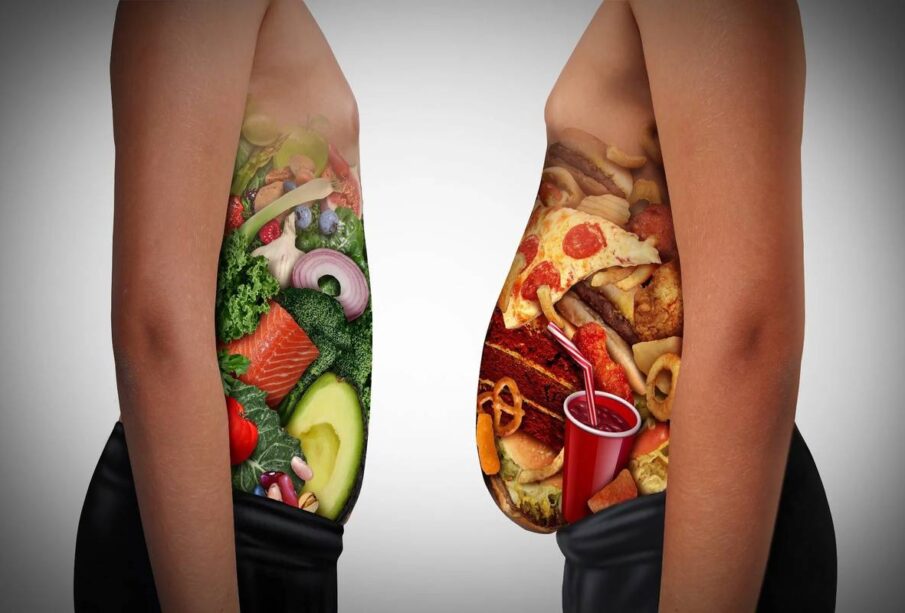
Ultra-processed foods are now a major part of daily eating habits across the world, and their effect goes far beyond convenience or taste. These products have a direct and lasting influence on the gut microbiome, the community of bacteria that lives in the digestive system.
When ultra-processed foods are eaten often, they can disturb this system, reduce beneficial bacteria, and create conditions that affect digestion, immunity, and even mental well-being.
The gut microbiome plays a central role in health. It helps break down food, supports nutrient absorption, and protects the body from harmful microbes. It also plays a role in how the body responds to stress and illness. When this system is balanced, the body tends to function well. When it is not, small issues can slowly build into bigger health concerns.
What Defines Ultra-Processed Foods
Ultra-processed foods are industrial products made from substances extracted from foods or created in laboratories. They often contain little or no whole food. Instead, they are made with refined ingredients such as sugars, oils, and starches, combined with additives that improve flavor, texture, and shelf life.
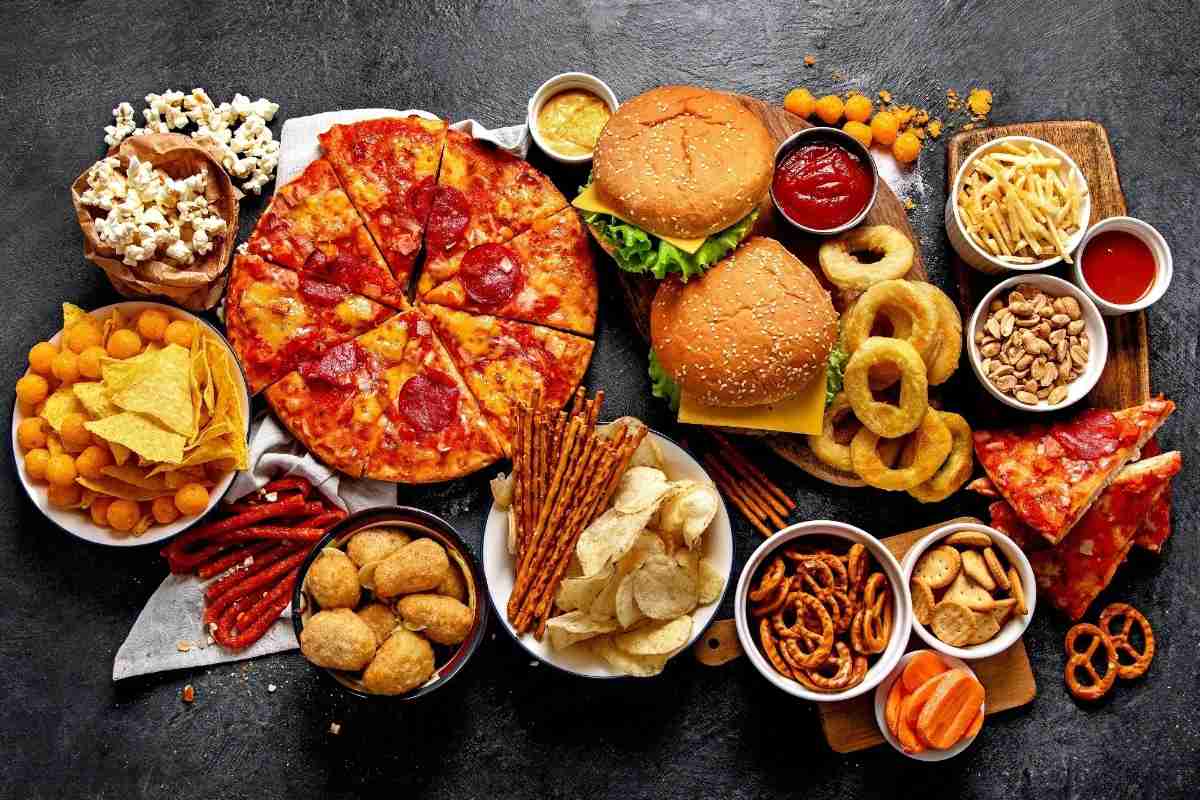
Examples include packaged snacks, sugary cereals, instant noodles, processed meats, soft drinks, and ready meals. These foods are designed to be easy to eat and long-lasting, but they often lack the nutrients that support gut health.
One key issue is that ultra-processed foods replace whole foods in the diet. Instead of fruits, vegetables, and whole grains, many people rely on packaged options that do not provide the same benefits. Over time, this change in eating pattern can affect the balance of the gut microbiome.
The Gut Microbiome and Its Daily Function
The gut microbiome is made up of trillions of microorganisms. These include bacteria that support health and others that can cause harm if they grow too much. In a healthy gut, there is a balance between these groups.
Beneficial bacteria help digest fiber, produce vitamins, and support the immune system. They also produce compounds called short-chain fatty acids, which help keep the gut lining strong and reduce inflammation.
A diverse microbiome is a strong microbiome. Diversity means having many different types of bacteria, each playing its own role. This diversity helps the gut respond to changes and resist harmful microbes.
Diet is one of the strongest factors that influence this system. What is eaten daily shapes which bacteria grow and which ones fade away.
How Ultra-Processed Foods Change Gut Bacteria
Ultra-processed foods affect the gut in several direct and indirect ways. These changes may not be obvious at first, but they build over time and can lead to long-term imbalance.
- Fiber is essential for feeding beneficial gut bacteria. Most ultra-processed foods contain very little fiber. Without it, helpful bacteria lose their main energy source and begin to decline. This reduces diversity in the gut.
- Diets high in sugar support the growth of harmful bacteria. These bacteria can crowd out beneficial ones and create an unhealthy balance.
- Many ultra-processed foods contain emulsifiers, preservatives, and artificial sweeteners. Some research suggests that these substances can damage the gut lining and disturb bacterial activity. They may also increase inflammation.
- Whole foods contain natural compounds that support gut health. These include polyphenols found in fruits and vegetables. Ultra-processed foods often lack these compounds, reducing support for beneficial bacteria.
As these effects continue, the gut may enter a state of imbalance known as dysbiosis. This condition is linked to a wide range of health issues.
Effects on Digestion and Nutrient Absorption
When the gut microbiome is disturbed, digestion is often the first system to show signs. The body may struggle to break down food properly, leading to discomfort.
- Bloating and gas can increase due to poor digestion
- Constipation or irregular bowel movements may become more common
- Some people may experience frequent stomach upset
The gut lining also plays an important role in absorbing nutrients. When it becomes irritated or damaged, this process becomes less efficient. Even if a person eats enough food, the body may not absorb all the nutrients it needs. Over time, this can lead to fatigue, weakness, and other signs of poor nutrition.
Read About the Top Healthy Eating Trends in 2026
Impact on the Immune System
A large part of the immune system is located in the gut. The microbiome helps train immune cells and guides how the body responds to threats.
When the balance of bacteria is healthy, the immune system can respond effectively. It can fight infections while avoiding unnecessary inflammation.
However, a diet high in ultra-processed foods can weaken this balance. Harmful bacteria may increase, and beneficial bacteria may decrease. This can confuse the immune system.
- The body may become more sensitive to harmless substances
- Inflammation levels may rise
- The ability to fight infections may reduce
Chronic low-level inflammation is now linked to many diseases. Diet plays a key role in either supporting or weakening this system.
The Link Between Gut Health and Mental State
The gut and the brain are closely connected through a network known as the gut-brain axis. This connection allows signals to travel between the digestive system and the brain.
Gut bacteria help produce chemicals that affect mood. One of these is serotonin, which is often linked to feelings of happiness and calmness.
When the gut microbiome is balanced, these processes work smoothly. When it is disturbed, it may affect emotional well-being. A diet high in ultra-processed foods can reduce beneficial bacteria that support these functions. This may lead to:
- Low energy levels
- Changes in mood
- Reduced mental clarity
While food is not the only factor that affects mental health, it is an important part of the overall picture.
Long-Term Health Effects
The impact of ultra-processed foods builds slowly. Regular intake over time can increase the risk of several chronic conditions. Research has linked high consumption of ultra-processed foods to:
- Obesity
- Type 2 diabetes
- Heart disease
- Certain digestive disorders
These conditions are often connected to inflammation and poor gut health. When the microbiome is disturbed, it can influence many systems in the body. A balanced diet that supports gut health can reduce these risks and improve overall well-being.
Read More About Why Counting Calories Doesn’t Work
Practical Steps to Support the Gut Microbiome
Improving gut health does not require extreme changes. Simple daily habits can make a meaningful difference.
- Eat more whole foods
Fresh fruits, vegetables, legumes, and whole grains provide fiber and nutrients that support beneficial bacteria. - Reduce intake of ultra-processed foods
Limiting these foods allows the gut to recover and regain balance. - Include fermented foods
Yogurt, kefir, and fermented vegetables introduce helpful bacteria into the gut. - Drink enough water
Proper hydration supports digestion and helps maintain a healthy gut environment. - Eat a variety of foods
A diverse diet supports a diverse microbiome, which is key for resilience.
Consistency is more important than perfection. Small changes made daily can lead to lasting improvements.
Building a Balanced Approach to Eating
Healthy eating is not about removing all processed foods at once. It is about making better choices more often. Start by replacing one or two ultra-processed foods with whole food options. Over time, these small steps can create a lasting habit.
Cooking at home more often can also help. It allows better control over ingredients and reduces reliance on packaged meals. Reading food labels can make a difference as well. Products with long ingredient lists and unfamiliar names are often ultra-processed. A balanced approach makes it easier to maintain healthy habits over time.
Final Thoughts
Ultra-processed foods are convenient, but their effect on the gut microbiome is significant. They can reduce beneficial bacteria, increase harmful ones, and weaken important systems in the body.
The gut is at the center of many functions, from digestion to immunity and mental well-being. Supporting it through better food choices can improve overall health.
Choosing whole, nutrient-rich foods more often can help restore balance and protect long term wellbeing. Small, consistent changes can lead to powerful results.
If this guide helped you, save it for later or share it with a friend who wants to eat better and feel better.



Leave a reply


 It seems that Mr. Bridgerton is not the only one swept up in a romance#bridgerton #bridgertonseason400:23
 Mr and Mrs Bridgerton #bridgerton #penelope #theprimemag00:07
 That classic sibling energy where "I’m sorry" actually means "I’m going to do it again #zendaya00:19
 The groom is here #robertpattinson #thedrama #edwardcullen #moviepremiere #funnymoment00:36
 #rihanna and #asaprocky looking great in #paris #theprimemag00:20
 #ElizabethOlsen and #AnthonyMackie on the red carpet00:09
 #SelenaGomez stepped out for the Rare Beauty Matte Foundation launch on Thursday00:17
 #cardib performance yesterday in #vegas #Valentines2026 #lustremagazine00:11
 #CardiB #WholesomeChaos #ProtectTheCrow #FunnyMoment #CelebrityMoments00:07
 They never told you about this Golden Globes gaffe with #JenniferLopez and #JeremyRenner00:11
 #bridgerton #netflix #trending #viral #misspossy #bridgertonseason401:17
 He definitely got it🤩🔥#onechallenge #thewoahchallenge #tiktok #dancetrends #hiphop #dancers00:18
 Oh No! 😂 #funny #relatable #trending #memes00:08
 #LeBron has made a major impact off the court his commitment to education and his community01:01
 😂😂 #memes #baby #fun #funny #trending00:08
 The only time #Shaq really went one-on-one with #LeBron #shaquilleoneal #lebronjames00:29
 Shaq did this on live tv… 😂 #shaq #insidethenba #charlesbarkley #shaquilleoneal #nba00:17
 You just know Kendrick’s heart dropped before he laughed 😭 #shaq #ShaquilleO’Neal00:10
 #nickiminaj or #cardib . That’s a tough one for #50cent 😂00:13
 #sofiavergara in #ModernFamily: #Sofía #Sitcom #FamilyComedy #funny #TVSeries01:00
 #SofíaVergara when asked about arrest on #TheEllenDeGeneresShow 😂00:20
 #Steve Harvey and #shaq on an episode of Family Feud #funny #theprimemag00:57
 #CillianMurphy fake laugh became the focus of the conversation on Jimmy Kimmel Live #theprimemag00:15
 Moment #KatyPerry surprised Benjamin Glaze with a kiss during his American Idol 2018 audition00:37
 #SelenaGomez and music producer #BennyBlanco00:13


The Prime is a dynamic publication delivering the latest in entertainment, lifestyle, culture, sports and world news, bringing sharp insight, fresh perspectives and stories that matter to a global audience.


