
Iran Air Strike Kills Top Security Chief Ali Larijani
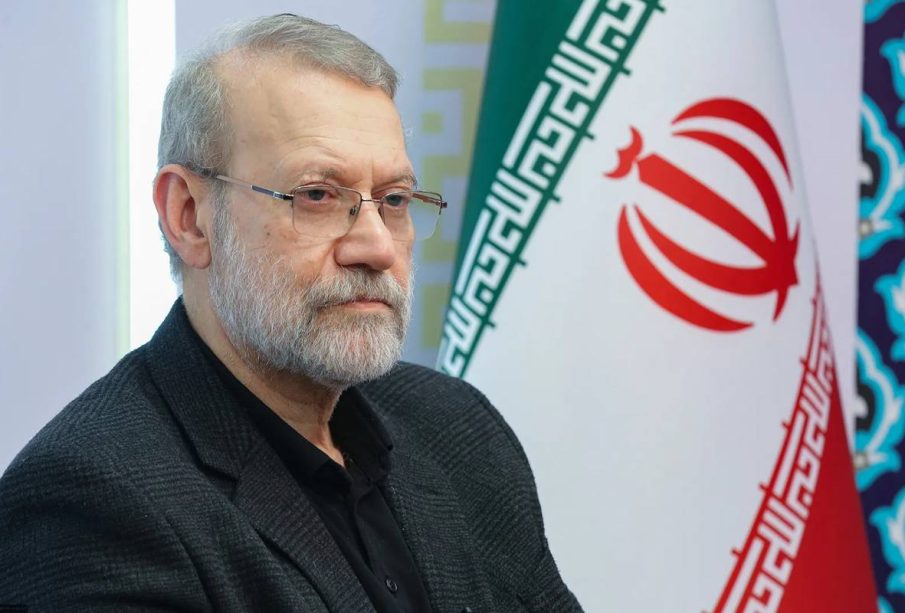
Security Chief Ali Larijani
A major escalation in the Middle East conflict unfolded after an Iran air strike killed senior Iranian official Ali Larijani along with key military figures. The attack, reportedly carried out by Israel, delivered one of the most significant blows to Iran’s leadership since the war began.
Israeli authorities reported that the strike also claimed the life of Gholamreza Soleimani, head of the Basij paramilitary force, alongside Larijani’s son and several aides. Iran confirmed the deaths, describing Larijani as a long-serving figure in the country’s political and security structure.
The development adds another layer of intensity to a war that started after coordinated strikes by Israel and the United States earlier this year. Those strikes resulted in the death of Iran’s Supreme Leader Ali Khamenei. Since then, both sides have launched attacks, spreading the conflict across multiple countries in the region.
Rising Tensions and Regional Fallout
The latest Iran air strike is expected to deepen instability across the Middle East. Iran responded with missile and drone attacks targeting Israel and sites hosting US military assets in Arab states. These retaliations disrupted oil supply routes near the Strait of Hormuz and pushed global oil prices higher.
In a statement, Israel’s Defence Minister said the operation aimed to weaken Iran’s command structure. Israeli military sources described the strike as precise, targeting Larijani near Tehran. According to them, he had assumed a central leadership role following Khamenei’s death.
Iran’s Supreme National Security Council confirmed Larijani died alongside close associates. They framed his death as part of a lifelong commitment to Iran’s political and ideological system. State media also reported Soleimani’s death, noting his leadership of the Basij, a force frequently deployed during protests. Rights groups accuse the militia of leading crackdowns that caused thousands of deaths and arrests.
Larijani’s career spanned multiple influential roles. He served as a commander in the Islamic Revolutionary Guard Corps, headed Iran’s state broadcasting organization, and later held high-level political positions. He worked as a nuclear negotiator, parliamentary speaker, and secretary of the Supreme National Security Council.
In recent months, analysts considered him a key strategist in Iran’s leadership, especially after Khamenei’s death. He played a central role in shaping Iran’s wartime response and maintaining internal control during unrest. Despite the conflict, Larijani remained publicly visible until recently. He appeared at a Quds Day rally in Tehran and stayed active on social media, responding to statements from figures like Donald Trump.
Reactions in Iran remain mixed. State authorities praised Larijani’s legacy, while some citizens expressed approval privately, highlighting deep internal divisions.
The human cost of the conflict continues to rise. Iranian officials report over 1,300 deaths from strikes on their territory, including women and children. Israeli authorities say casualties from Iranian attacks remain lower but continue to mount.
Elsewhere in the region, the consequences are visible. In the United Arab Emirates, debris from intercepted missiles caused civilian casualties. Repeated drone attacks disrupted operations at key oil facilities.
As the war intensifies, the Iran air strike highlights a pattern of targeting high-ranking officials. Analysts warn this trend may fuel further escalation and threaten long-term regional stability.


Leave a reply


 It seems that Mr. Bridgerton is not the only one swept up in a romance#bridgerton #bridgertonseason400:23
 Mr and Mrs Bridgerton #bridgerton #penelope #theprimemag00:07
 That classic sibling energy where "I’m sorry" actually means "I’m going to do it again #zendaya00:19
 The groom is here #robertpattinson #thedrama #edwardcullen #moviepremiere #funnymoment00:36
 #rihanna and #asaprocky looking great in #paris #theprimemag00:20
 #ElizabethOlsen and #AnthonyMackie on the red carpet00:09
 #SelenaGomez stepped out for the Rare Beauty Matte Foundation launch on Thursday00:17
 #cardib performance yesterday in #vegas #Valentines2026 #lustremagazine00:11
 #CardiB #WholesomeChaos #ProtectTheCrow #FunnyMoment #CelebrityMoments00:07
 They never told you about this Golden Globes gaffe with #JenniferLopez and #JeremyRenner00:11
 #bridgerton #netflix #trending #viral #misspossy #bridgertonseason401:17
 He definitely got it🤩🔥#onechallenge #thewoahchallenge #tiktok #dancetrends #hiphop #dancers00:18
 Oh No! 😂 #funny #relatable #trending #memes00:08
 #LeBron has made a major impact off the court his commitment to education and his community01:01
 😂😂 #memes #baby #fun #funny #trending00:08
 The only time #Shaq really went one-on-one with #LeBron #shaquilleoneal #lebronjames00:29
 Shaq did this on live tv… 😂 #shaq #insidethenba #charlesbarkley #shaquilleoneal #nba00:17
 You just know Kendrick’s heart dropped before he laughed 😭 #shaq #ShaquilleO’Neal00:10
 #nickiminaj or #cardib . That’s a tough one for #50cent 😂00:13
 #sofiavergara in #ModernFamily: #Sofía #Sitcom #FamilyComedy #funny #TVSeries01:00
 #SofíaVergara when asked about arrest on #TheEllenDeGeneresShow 😂00:20
 #Steve Harvey and #shaq on an episode of Family Feud #funny #theprimemag00:57
 #CillianMurphy fake laugh became the focus of the conversation on Jimmy Kimmel Live #theprimemag00:15
 Moment #KatyPerry surprised Benjamin Glaze with a kiss during his American Idol 2018 audition00:37
 #SelenaGomez and music producer #BennyBlanco00:13


The Prime is a dynamic publication delivering the latest in entertainment, lifestyle, culture, sports and world news, bringing sharp insight, fresh perspectives and stories that matter to a global audience.


