
Menstrual Leave Debate Intensifies After Court Rejects Nationwide Policy in India
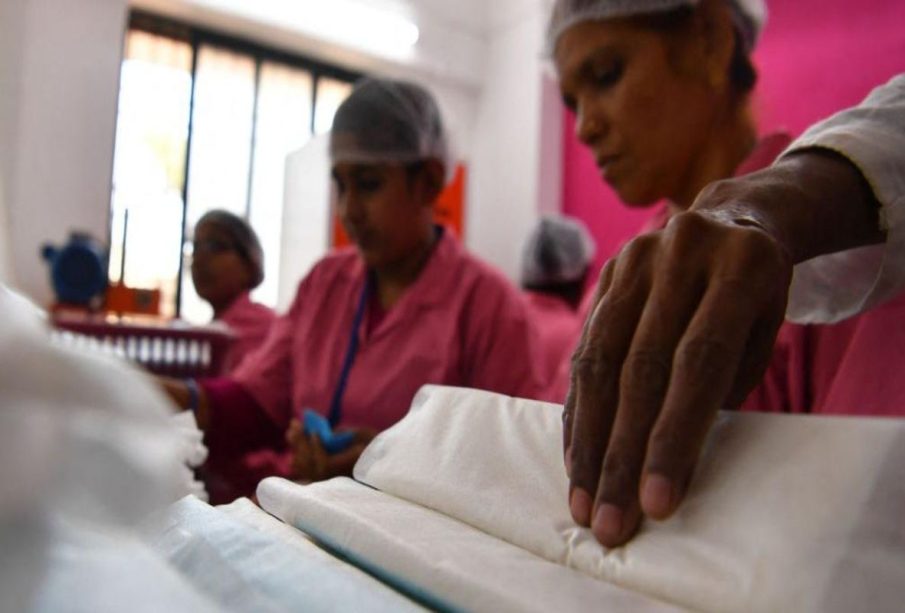
A renewed debate over menstrual leave has emerged in India after the Supreme Court dismissed a petition seeking a nationwide policy to allow women time off during their periods. The ruling has sparked discussions on workplace equality, gender stereotypes, and the challenges many women face during menstruation.
The case came before a two-judge bench led by Surya Kant. The judges expressed concerns that a mandatory policy could unintentionally harm women’s career prospects. They argued that such a rule might lead employers to view female workers as less reliable or more expensive to hire compared with male employees.
Lawyer Shailendra Mani Tripathi filed the petition. He requested that women receive two to three days of leave each month to cope with menstrual discomfort. Tripathi argued that a formal policy would improve working conditions and help women manage health issues linked to painful periods.
The bench concluded that enforcing a universal policy through the courts could have unintended consequences. They warned that mandatory menstrual leave might discourage companies from hiring women, especially younger candidates entering the workforce. In their view, this could undermine efforts to achieve gender equality in employment.
A Policy Question that Divides Opinion
The ruling has reignited debate over menstrual health and workplace policies in India. Menstruation has long remained a sensitive topic in the country, where cultural beliefs sometimes treat it as taboo.
Public health expert and lawyer Sukriti Chauhan criticized the court’s decision. She argued that dismissing menstrual leave concerns ignores broader issues of dignity and workplace safety.
Chauhan emphasized that forcing women to work through severe menstrual pain can create unhealthy and undignified conditions.
Chauhan also noted that India already has legal frameworks promoting gender equality, workplace dignity, and safe working environments. She believes policies acknowledging menstrual health could reinforce these principles rather than weaken them.
Supporters of menstrual leave stress that severe menstrual pain and related health challenges can significantly affect productivity. They argue that allowing short breaks or time off could benefit both employees and employers by improving well-being and efficiency.
Opponents raise concerns that special provisions may reinforce stereotypes suggesting women are physically weaker than men. Some also claim that additional leave for women could appear unfair to male colleagues in workplaces striving for equal treatment.
Even without a nationwide mandate, menstrual leave policies exist in some Indian states. Bihar and Odisha provide two days of leave each month for female government employees. Kerala extends similar benefits to women studying or working in universities and technical institutes.
Karnataka recently approved legislation allowing one day off each month for menstruating women. These policies show a growing willingness among regional authorities to address menstrual health at the policy level.
The private sector has also begun introducing similar measures. Major companies offer female employees time off during their periods. In 2025, the industrial conglomerate RPG Group implemented a two-day monthly leave policy at its subsidiary CEAT.
Engineering firm Larsen and Toubro followed with a one-day monthly option. Food delivery platform Zomato allows workers to take up to ten days of period leave each year.
Several countries globally have adopted formal policies recognizing menstrual health needs. Spain, Japan, South Korea, and Indonesia all provide leave for menstruating workers as part of broader labor protections.
Although the Supreme Court declined to mandate a national policy, the judges suggested that the government could still consider the issue. They recommended consultations with businesses, labor groups, and health experts before deciding whether to introduce guidelines or legislation.
The rejection of the petition has not ended the debate. Instead, it has intensified national discussion on women’s health, workplace equality, and balancing both in modern employment systems.

Leave a reply


 It seems that Mr. Bridgerton is not the only one swept up in a romance#bridgerton #bridgertonseason400:23
 Mr and Mrs Bridgerton #bridgerton #penelope #theprimemag00:07
 That classic sibling energy where "I’m sorry" actually means "I’m going to do it again #zendaya00:19
 The groom is here #robertpattinson #thedrama #edwardcullen #moviepremiere #funnymoment00:36
 #rihanna and #asaprocky looking great in #paris #theprimemag00:20
 #ElizabethOlsen and #AnthonyMackie on the red carpet00:09
 #SelenaGomez stepped out for the Rare Beauty Matte Foundation launch on Thursday00:17
 #cardib performance yesterday in #vegas #Valentines2026 #lustremagazine00:11
 #CardiB #WholesomeChaos #ProtectTheCrow #FunnyMoment #CelebrityMoments00:07
 They never told you about this Golden Globes gaffe with #JenniferLopez and #JeremyRenner00:11
 #bridgerton #netflix #trending #viral #misspossy #bridgertonseason401:17
 He definitely got it🤩🔥#onechallenge #thewoahchallenge #tiktok #dancetrends #hiphop #dancers00:18
 Oh No! 😂 #funny #relatable #trending #memes00:08
 #LeBron has made a major impact off the court his commitment to education and his community01:01
 😂😂 #memes #baby #fun #funny #trending00:08
 The only time #Shaq really went one-on-one with #LeBron #shaquilleoneal #lebronjames00:29
 Shaq did this on live tv… 😂 #shaq #insidethenba #charlesbarkley #shaquilleoneal #nba00:17
 You just know Kendrick’s heart dropped before he laughed 😭 #shaq #ShaquilleO’Neal00:10
 #nickiminaj or #cardib . That’s a tough one for #50cent 😂00:13
 #sofiavergara in #ModernFamily: #Sofía #Sitcom #FamilyComedy #funny #TVSeries01:00
 #SofíaVergara when asked about arrest on #TheEllenDeGeneresShow 😂00:20
 #Steve Harvey and #shaq on an episode of Family Feud #funny #theprimemag00:57
 #CillianMurphy fake laugh became the focus of the conversation on Jimmy Kimmel Live #theprimemag00:15
 Moment #KatyPerry surprised Benjamin Glaze with a kiss during his American Idol 2018 audition00:37
 #SelenaGomez and music producer #BennyBlanco00:13


The Prime is a dynamic publication delivering the latest in entertainment, lifestyle, culture, sports and world news, bringing sharp insight, fresh perspectives and stories that matter to a global audience.
