
Meta and YouTube Addiction Trial Finds Liability in Landmark Verdict
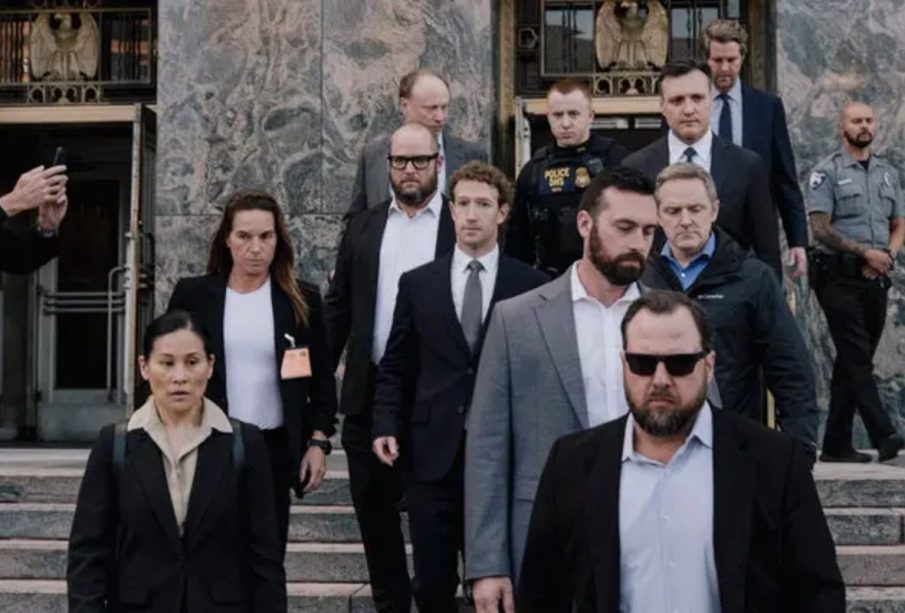
A landmark ruling in the Meta and YouTube addiction trial has delivered a major victory for a young woman who argued that early exposure to digital platforms harmed her mental health. A Los Angeles jury found that Meta and YouTube designed features that encouraged compulsive use. The jury linked those features directly to the plaintiff’s struggles.
The Meta and YouTube addiction trial outcome could influence many similar cases now moving through courts across the United States. Legal experts expect the decision to shape how future claims against tech companies are argued and judged.
The 20 year old plaintiff, identified as Kaley, received 6 million dollars in damages. Jurors ruled that both companies acted in ways that justified compensation and punishment. They assigned 70 percent of the liability to Meta and 30 percent to Google, YouTube’s parent company. The damages covered both harm and penalties. The jury concluded that the companies showed serious misconduct in how they ran their platforms.
Courtroom Arguments and Industry Reaction
Kaley’s legal team argued that the platforms were built to keep young users engaged for long periods. They pointed to features such as endless scrolling and algorithm-driven recommendations. They said these tools encouraged prolonged use, especially among children. According to her testimony, Kaley started using Instagram at nine and YouTube at six. No effective barriers stopped her access despite age limits.
She told the court that her usage quickly became excessive. At times, she spent up to 16 hours a day on the platforms. Over time, she developed anxiety and depression. She also became overly focused on her appearance. Her lawyers connected these struggles to early exposure to curated images and filters. These tools altered facial features and shaped her self image. Doctors later diagnosed her with body dysmorphia, a condition that affects how people see their appearance.
Meanwhile, company executives defended their platforms during the trial. Mark Zuckerberg said his company has worked to enforce age restrictions. He admitted that identifying underage users remains difficult. However, he insisted that the company has improved its systems over time. YouTube representatives also defended their platform. They argued that YouTube operates mainly as a streaming service, not a traditional social network.
Read More: Prince Harry and Meghan Markle React to Social Media Verdict on Meta and YouTube
Both companies rejected the verdict and confirmed plans to appeal. Meta stated that teen mental health is complex. The company argued that no single platform can cause such issues. Google also criticized the ruling. It said the case misrepresented YouTube’s purpose and design.
Furthermore, the ruling arrives at a time of growing global concern about how digital platforms affect young users. Just a day before this decision, another jury in New Mexico found Meta responsible in a separate case involving risks to children online. Analysts believe these back to back decisions reflect a shift in public and legal attitudes toward major tech companies.
Industry expert Mike Proulx described the moment as a turning point. He suggested that years of concern have now reached a critical stage. Governments in several countries have already started to act. Australia has introduced restrictions to limit children’s use of social platforms. The United Kingdom is also testing policies that may restrict access for users under 16.
Outside the courthouse in Los Angeles, families gathered to hear the verdict. Many believe that similar platforms harmed their children. Emotions ran high as the decision was announced. Several people saw the ruling as proof that large companies can be held accountable.
Finally, lawyers for Kaley said the outcome of the Meta and YouTube addiction trial sends a clear message. Companies must take responsibility for how their products affect young users. Another major case will begin in California later this year. As a result, the legal battles over digital platforms and youth wellbeing are far from over.


Leave a reply


 It seems that Mr. Bridgerton is not the only one swept up in a romance#bridgerton #bridgertonseason400:23
 Mr and Mrs Bridgerton #bridgerton #penelope #theprimemag00:07
 That classic sibling energy where "I’m sorry" actually means "I’m going to do it again #zendaya00:19
 The groom is here #robertpattinson #thedrama #edwardcullen #moviepremiere #funnymoment00:36
 #rihanna and #asaprocky looking great in #paris #theprimemag00:20
 #ElizabethOlsen and #AnthonyMackie on the red carpet00:09
 #SelenaGomez stepped out for the Rare Beauty Matte Foundation launch on Thursday00:17
 #cardib performance yesterday in #vegas #Valentines2026 #lustremagazine00:11
 #CardiB #WholesomeChaos #ProtectTheCrow #FunnyMoment #CelebrityMoments00:07
 They never told you about this Golden Globes gaffe with #JenniferLopez and #JeremyRenner00:11
 #bridgerton #netflix #trending #viral #misspossy #bridgertonseason401:17
 He definitely got it🤩🔥#onechallenge #thewoahchallenge #tiktok #dancetrends #hiphop #dancers00:18
 Oh No! 😂 #funny #relatable #trending #memes00:08
 #LeBron has made a major impact off the court his commitment to education and his community01:01
 😂😂 #memes #baby #fun #funny #trending00:08
 The only time #Shaq really went one-on-one with #LeBron #shaquilleoneal #lebronjames00:29
 Shaq did this on live tv… 😂 #shaq #insidethenba #charlesbarkley #shaquilleoneal #nba00:17
 You just know Kendrick’s heart dropped before he laughed 😭 #shaq #ShaquilleO’Neal00:10
 #nickiminaj or #cardib . That’s a tough one for #50cent 😂00:13
 #sofiavergara in #ModernFamily: #Sofía #Sitcom #FamilyComedy #funny #TVSeries01:00
 #SofíaVergara when asked about arrest on #TheEllenDeGeneresShow 😂00:20
 #Steve Harvey and #shaq on an episode of Family Feud #funny #theprimemag00:57
 #CillianMurphy fake laugh became the focus of the conversation on Jimmy Kimmel Live #theprimemag00:15
 Moment #KatyPerry surprised Benjamin Glaze with a kiss during his American Idol 2018 audition00:37
 #SelenaGomez and music producer #BennyBlanco00:13


The Prime is a dynamic publication delivering the latest in entertainment, lifestyle, culture, sports and world news, bringing sharp insight, fresh perspectives and stories that matter to a global audience.
