
Natural History Museum Leads UK Tourism as Visitor Numbers Rise
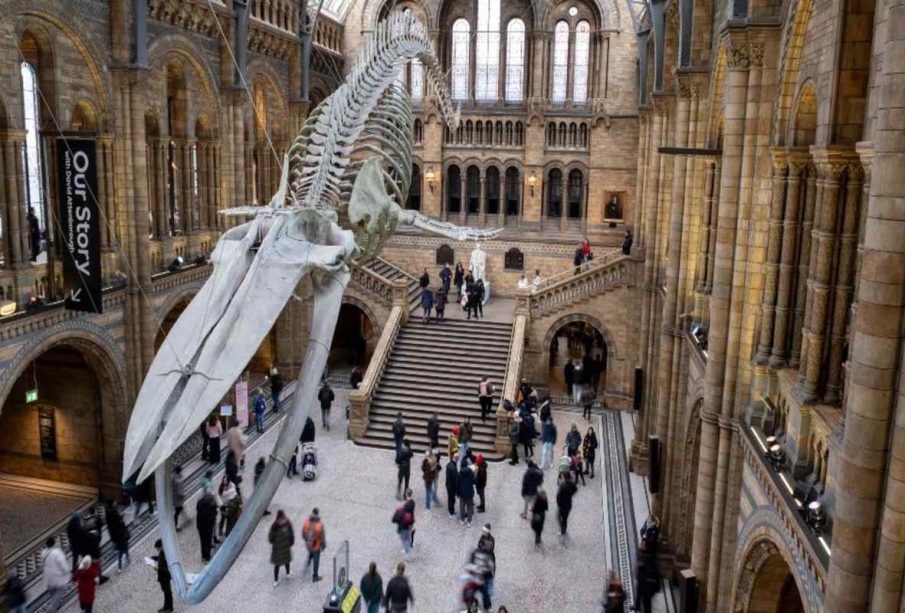
Natural History Museum
The UK tourist attraction rankings have shifted as London’s Natural History Museum moves to the top, drawing a record number of visitors in 2025. The museum welcomed more than 7.1 million people within a single year. This figure sets the highest attendance ever recorded by a museum or gallery in the United Kingdom. It also shows a clear rise from the previous year and reflects growing interest in cultural and educational experiences.
The museum sits in South Kensington and recorded a 13 percent increase in visitors compared to 2024. Its famous exhibits continue to attract both local and international guests. The suspended blue whale skeleton in the central hall remains a major highlight. This achievement places the museum ahead of the British Museum, which held the top position for two years.
The Association of Leading Visitor Attractions released the latest figures. The data shows that interest in heritage and leisure sites remains steady despite economic pressure. Across 409 monitored locations, visits reached 165 million in 2025. This number shows a slight increase from the previous year. However, attendance has not fully returned to the levels recorded in 2019.
Changing Patterns in Visitor Behaviour
Industry experts observe a shift in how people choose to spend their time and money. Visitors now make more deliberate decisions. Bernard Donoghue, director of the association, explains that people still value meaningful experiences. They continue to visit attractions even during financial uncertainty. However, many now prioritise value and lasting memories when choosing where to go.
Although the Natural History Museum leads the rankings, competition remains strong. The British Museum holds the second position and continues to attract attention. Its upcoming exhibition of the historic Bayeux Tapestry, scheduled for September, has already created excitement. This event could influence future rankings.
Other major attractions also maintain strong visitor numbers. Windsor Great Park, managed by The Crown Estate, continues to draw large crowds. The Tate Modern and the National Gallery also remain popular. These destinations show lasting appeal and consistent performance.
Outside London, several sites report impressive attendance. Edinburgh Castle stands out as one of the most visited locations beyond the capital. It attracted more than two million visitors. Other venues also performed well. Royal Museums Greenwich, the National Museum of Scotland, and the Royal Botanic Gardens Kew all reported strong numbers.
Seasonal events and renovations helped boost visitor turnout at some locations. The National Gallery reopened the Sainsbury Wing, which increased attendance. Festive periods also played a role. Events during Christmas and Halloween attracted visitors to historic estates such as Blenheim Palace and Chatsworth House.
Meanwhile, some institutions recorded significant growth. The Houses of Parliament saw a sharp rise in visitor numbers, increasing by 47 percent. The Royal Academy of the Arts also achieved success with its summer exhibition. This event contributed to higher attendance.
Regional trends varied across the United Kingdom. Scotland recorded a moderate increase in visitor numbers. Wales saw a smaller rise. In England, the North West showed the strongest growth outside London. The East Midlands followed closely behind.
New attractions have also started to gain attention. The V and A East Storehouse entered the rankings for the first time. It attracted more than 400,000 visitors within a short period. This performance exceeded expectations and showed strong early interest.
As the UK tourist attraction rankings continue to change, the latest data points to steady recovery. Challenges still exist, but strong attendance at major sites tells a clear story. Cultural institutions remain important in how people spend their leisure time.




Leave a reply


 It seems that Mr. Bridgerton is not the only one swept up in a romance#bridgerton #bridgertonseason400:23
 Mr and Mrs Bridgerton #bridgerton #penelope #theprimemag00:07
 That classic sibling energy where "I’m sorry" actually means "I’m going to do it again #zendaya00:19
 The groom is here #robertpattinson #thedrama #edwardcullen #moviepremiere #funnymoment00:36
 #rihanna and #asaprocky looking great in #paris #theprimemag00:20
 #ElizabethOlsen and #AnthonyMackie on the red carpet00:09
 #SelenaGomez stepped out for the Rare Beauty Matte Foundation launch on Thursday00:17
 #cardib performance yesterday in #vegas #Valentines2026 #lustremagazine00:11
 #CardiB #WholesomeChaos #ProtectTheCrow #FunnyMoment #CelebrityMoments00:07
 They never told you about this Golden Globes gaffe with #JenniferLopez and #JeremyRenner00:11
 #bridgerton #netflix #trending #viral #misspossy #bridgertonseason401:17
 He definitely got it🤩🔥#onechallenge #thewoahchallenge #tiktok #dancetrends #hiphop #dancers00:18
 Oh No! 😂 #funny #relatable #trending #memes00:08
 #LeBron has made a major impact off the court his commitment to education and his community01:01
 😂😂 #memes #baby #fun #funny #trending00:08
 The only time #Shaq really went one-on-one with #LeBron #shaquilleoneal #lebronjames00:29
 Shaq did this on live tv… 😂 #shaq #insidethenba #charlesbarkley #shaquilleoneal #nba00:17
 You just know Kendrick’s heart dropped before he laughed 😭 #shaq #ShaquilleO’Neal00:10
 #nickiminaj or #cardib . That’s a tough one for #50cent 😂00:13
 #sofiavergara in #ModernFamily: #Sofía #Sitcom #FamilyComedy #funny #TVSeries01:00
 #SofíaVergara when asked about arrest on #TheEllenDeGeneresShow 😂00:20
 #Steve Harvey and #shaq on an episode of Family Feud #funny #theprimemag00:57
 #CillianMurphy fake laugh became the focus of the conversation on Jimmy Kimmel Live #theprimemag00:15
 Moment #KatyPerry surprised Benjamin Glaze with a kiss during his American Idol 2018 audition00:37
 #SelenaGomez and music producer #BennyBlanco00:13


The Prime is a dynamic publication delivering the latest in entertainment, lifestyle, culture, sports and world news, bringing sharp insight, fresh perspectives and stories that matter to a global audience.
