Pharmaceutical Tariffs Plan Raises Pressure on Drug Firms in US
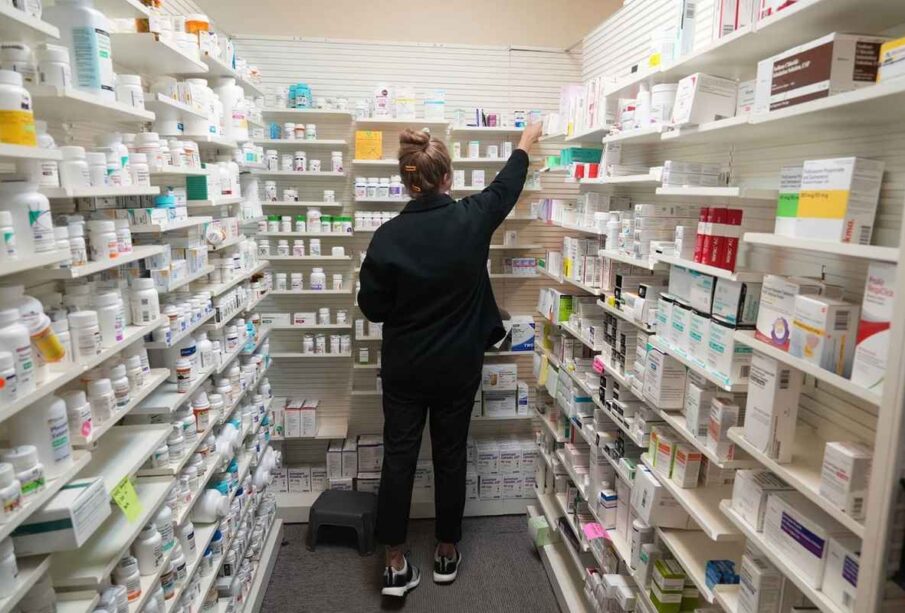
The United States has introduced new pharmaceutical tariffs that are already influencing global drugmakers. Companies now face a clear choice. They can strike deals with the government or pay high import taxes.
Donald Trump announced the policy, which places a 100% tariff on certain patented medicines entering the country. At the same time, the administration offers incentives to companies that agree to adjust their operations or pricing.
The White House says the goal is simple. It wants to strengthen local production of essential medicines. It also wants to reduce reliance on foreign supply chains. However, the policy may not affect the market immediately. It excludes generic drugs, which make up most prescriptions in the US. This limits the short term impact on patients and healthcare providers.
Many major pharmaceutical companies have already responded. They have entered agreements with the administration to avoid the tariffs. Others are likely to follow soon. Officials are using the pharmaceutical tariffs framework as a bargaining tool. They want to guide companies toward decisions that match national economic and healthcare goals.
Deals and Deadlines Shape Industry Response
The policy outlines clear conditions for companies. Firms that promise to build manufacturing facilities in the US before 2029 can reduce tariffs to 20%. In some cases, companies can avoid tariffs completely. They only need to agree to pricing arrangements with the government.
These pricing deals often target public health programmes. Companies may offer medicines to Medicaid at rates closer to international prices. This approach could make drugs more affordable for patients. At the same time, it allows companies to maintain access to the US market.
Experts say the government is using a direct strategy. Sean Sullivan, linked to the University of Washington and the London School of Economics, described the approach as leverage. He believes the administration wants firms to commit to long term investments and fair pricing.
The policy also sets strict timelines. Large pharmaceutical companies have 120 days to reach agreements. Smaller and medium sized firms get up to 180 days. Even with more time, smaller companies may face challenges. They often lack the resources to adapt quickly. This could leave them exposed to higher costs.
Existing trade agreements will still play a role. Agreements with regions such as Europe, Switzerland, the United Kingdom, South Korea, and Japan remain in effect. For example, a previous deal between the US and the United Kingdom allows British pharmaceutical exports to remain tariff free for a limited time. The UK continues to adjust pricing through its healthcare system during this period.
Brookings Institution fellow Richard Frank says the final outcome remains unclear. Much depends on how officials grant exemptions. It also depends on how many companies secure agreements before deadlines.
The administration believes the policy will encourage local manufacturing. However, experts raise concerns about costs. Producing drugs in the US often costs more than producing them abroad. Pricing agreements may reduce some of these costs, but early deals remain limited in scope.
Still, the White House points to early results. It says major pharmaceutical companies have already made large investment commitments. Reports suggest firms have pledged hundreds of billions of dollars toward US based production. These promises signal confidence, but they do not guarantee long term change.
As deadlines approach, the situation will become clearer. The coming months will show how companies respond. Some may accept deals quickly. Others may wait and take risks. In the end, the policy may reshape parts of the pharmaceutical industry. Or it may remain a selective tool that influences only certain companies.


Leave a reply


 It seems that Mr. Bridgerton is not the only one swept up in a romance#bridgerton #bridgertonseason400:23
 Mr and Mrs Bridgerton #bridgerton #penelope #theprimemag00:07
 That classic sibling energy where "I’m sorry" actually means "I’m going to do it again #zendaya00:19
 The groom is here #robertpattinson #thedrama #edwardcullen #moviepremiere #funnymoment00:36
 #rihanna and #asaprocky looking great in #paris #theprimemag00:20
 #ElizabethOlsen and #AnthonyMackie on the red carpet00:09
 #SelenaGomez stepped out for the Rare Beauty Matte Foundation launch on Thursday00:17
 #cardib performance yesterday in #vegas #Valentines2026 #lustremagazine00:11
 #CardiB #WholesomeChaos #ProtectTheCrow #FunnyMoment #CelebrityMoments00:07
 They never told you about this Golden Globes gaffe with #JenniferLopez and #JeremyRenner00:11
 #bridgerton #netflix #trending #viral #misspossy #bridgertonseason401:17
 He definitely got it🤩🔥#onechallenge #thewoahchallenge #tiktok #dancetrends #hiphop #dancers00:18
 Oh No! 😂 #funny #relatable #trending #memes00:08
 #LeBron has made a major impact off the court his commitment to education and his community01:01
 😂😂 #memes #baby #fun #funny #trending00:08
 The only time #Shaq really went one-on-one with #LeBron #shaquilleoneal #lebronjames00:29
 Shaq did this on live tv… 😂 #shaq #insidethenba #charlesbarkley #shaquilleoneal #nba00:17
 You just know Kendrick’s heart dropped before he laughed 😭 #shaq #ShaquilleO’Neal00:10
 #nickiminaj or #cardib . That’s a tough one for #50cent 😂00:13
 #sofiavergara in #ModernFamily: #Sofía #Sitcom #FamilyComedy #funny #TVSeries01:00
 #SofíaVergara when asked about arrest on #TheEllenDeGeneresShow 😂00:20
 #Steve Harvey and #shaq on an episode of Family Feud #funny #theprimemag00:57
 #CillianMurphy fake laugh became the focus of the conversation on Jimmy Kimmel Live #theprimemag00:15
 Moment #KatyPerry surprised Benjamin Glaze with a kiss during his American Idol 2018 audition00:37
 #SelenaGomez and music producer #BennyBlanco00:13


The Prime is a dynamic publication delivering the latest in entertainment, lifestyle, culture, sports and world news, bringing sharp insight, fresh perspectives and stories that matter to a global audience.
