
Prediction Markets Face Backlash as ‘Gruesome’ War Bets Trigger Calls for Tighter Regulation
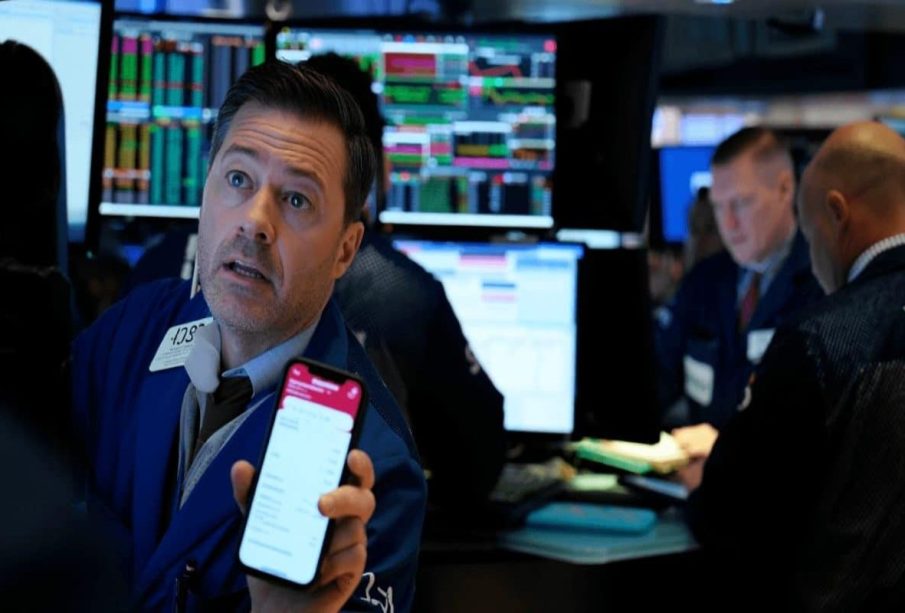
The rapid growth of prediction markets in the United States is drawing sharp criticism from regulators and advocacy groups. Controversial bets linked to global conflicts and political instability have sparked concern.
These platforms let users speculate on real-world outcomes by trading event-based contracts. They have attracted billions of dollars in activity. However, wagers tied to war, assassinations, and military actions now raise ethical and legal questions.
Interest in digital betting platforms has surged over the past year. Companies running these exchanges have handled more than 44 billion dollars in trades. This signals a major shift in how Americans engage with wagering. Sports remain a top attraction, but users also bet on interest rate decisions, election outcomes, and geopolitical events.
For some, the appeal lies in the thrill of predicting major global developments. Stew, a 35-year-old from Montana, originally downloaded one app for sports wagers. Weeks ago, he placed a small bet predicting that Iran’s Supreme Leader Ayatollah Ali Khamenei would no longer be in power by March 1.
The bet was eventually cancelled. Still, it shows how quickly these platforms are testing boundaries.
Growing Concerns Over War-related Bets
Critics say bets connected to military conflicts are especially troubling. U.S. financial regulations technically prohibit trading contracts linked to war, terrorism, or assassination. Yet some platforms still hosted markets tied to military actions involving Iran, Israel, and Venezuela.
One platform reportedly handled over 500 million dollars in bets on a possible conflict with Iran. Traders were even able to speculate on the likelihood of a nuclear detonation before public backlash forced the market’s removal.
Advocacy groups argue that these contracts turn real-world suffering into profit opportunities. Craig Holman, a government affairs lobbyist at the watchdog group Public Citizen, filed a complaint urging regulators to act.
He said turning the fate of world leaders or the outbreak of war into betting opportunities represents a troubling shift. Critics warn that such markets could create national security risks. Individuals with insider knowledge might try to profit from confidential developments.
Another controversy involved a market predicting the removal of Iran’s Supreme Leader. The platform reportedly handled 54 million dollars in trades before canceling it due to internal rules against markets tied to someone’s death.
Even with cancellations, critics argue the damage may already exist. Suspiciously timed bets fuel fears that insiders could exploit the platforms for financial gain.
Regulators now face pressure to clarify who oversees the growing sector. Unlike traditional bookmakers, which set odds themselves, these platforms operate more like financial exchanges. Participants buy and sell event contracts whose prices reflect the probability of an outcome.
Federal financial authorities have claimed jurisdiction over the industry. State governments and consumer advocates counter that the activity resembles gambling and should follow stricter state betting laws.
The disagreement has sparked legal disputes across the United States. States are trying to regulate these companies like casinos and sportsbooks.
Some lawmakers propose new restrictions. Democratic legislators recently introduced a bill to prohibit federal officials from trading event contracts. They cited the risk of insider trading and warned consumers about financial risks.
Despite rising pressure, a major crackdown may not come soon. A previous attempt to ban sports and political contracts stalled after a court defeat. The 2024 election cycle also shifted the political landscape.
Meanwhile, the companies say they are improving oversight. Some have introduced systems to detect suspicious trading and opened hundreds of investigations into potential insider activity.
The popularity of prediction markets continues to explode. Ethical debates, regulatory questions, and national security concerns will likely grow as the industry evolves.


Leave a reply


 It seems that Mr. Bridgerton is not the only one swept up in a romance#bridgerton #bridgertonseason400:23
 Mr and Mrs Bridgerton #bridgerton #penelope #theprimemag00:07
 That classic sibling energy where "I’m sorry" actually means "I’m going to do it again #zendaya00:19
 The groom is here #robertpattinson #thedrama #edwardcullen #moviepremiere #funnymoment00:36
 #rihanna and #asaprocky looking great in #paris #theprimemag00:20
 #ElizabethOlsen and #AnthonyMackie on the red carpet00:09
 #SelenaGomez stepped out for the Rare Beauty Matte Foundation launch on Thursday00:17
 #cardib performance yesterday in #vegas #Valentines2026 #lustremagazine00:11
 #CardiB #WholesomeChaos #ProtectTheCrow #FunnyMoment #CelebrityMoments00:07
 They never told you about this Golden Globes gaffe with #JenniferLopez and #JeremyRenner00:11
 #bridgerton #netflix #trending #viral #misspossy #bridgertonseason401:17
 He definitely got it🤩🔥#onechallenge #thewoahchallenge #tiktok #dancetrends #hiphop #dancers00:18
 Oh No! 😂 #funny #relatable #trending #memes00:08
 #LeBron has made a major impact off the court his commitment to education and his community01:01
 😂😂 #memes #baby #fun #funny #trending00:08
 The only time #Shaq really went one-on-one with #LeBron #shaquilleoneal #lebronjames00:29
 Shaq did this on live tv… 😂 #shaq #insidethenba #charlesbarkley #shaquilleoneal #nba00:17
 You just know Kendrick’s heart dropped before he laughed 😭 #shaq #ShaquilleO’Neal00:10
 #nickiminaj or #cardib . That’s a tough one for #50cent 😂00:13
 #sofiavergara in #ModernFamily: #Sofía #Sitcom #FamilyComedy #funny #TVSeries01:00
 #SofíaVergara when asked about arrest on #TheEllenDeGeneresShow 😂00:20
 #Steve Harvey and #shaq on an episode of Family Feud #funny #theprimemag00:57
 #CillianMurphy fake laugh became the focus of the conversation on Jimmy Kimmel Live #theprimemag00:15
 Moment #KatyPerry surprised Benjamin Glaze with a kiss during his American Idol 2018 audition00:37
 #SelenaGomez and music producer #BennyBlanco00:13


The Prime is a dynamic publication delivering the latest in entertainment, lifestyle, culture, sports and world news, bringing sharp insight, fresh perspectives and stories that matter to a global audience.
