
Press Freedom Fears Rise After Billionaire Acquires East Africa’s Largest Media House
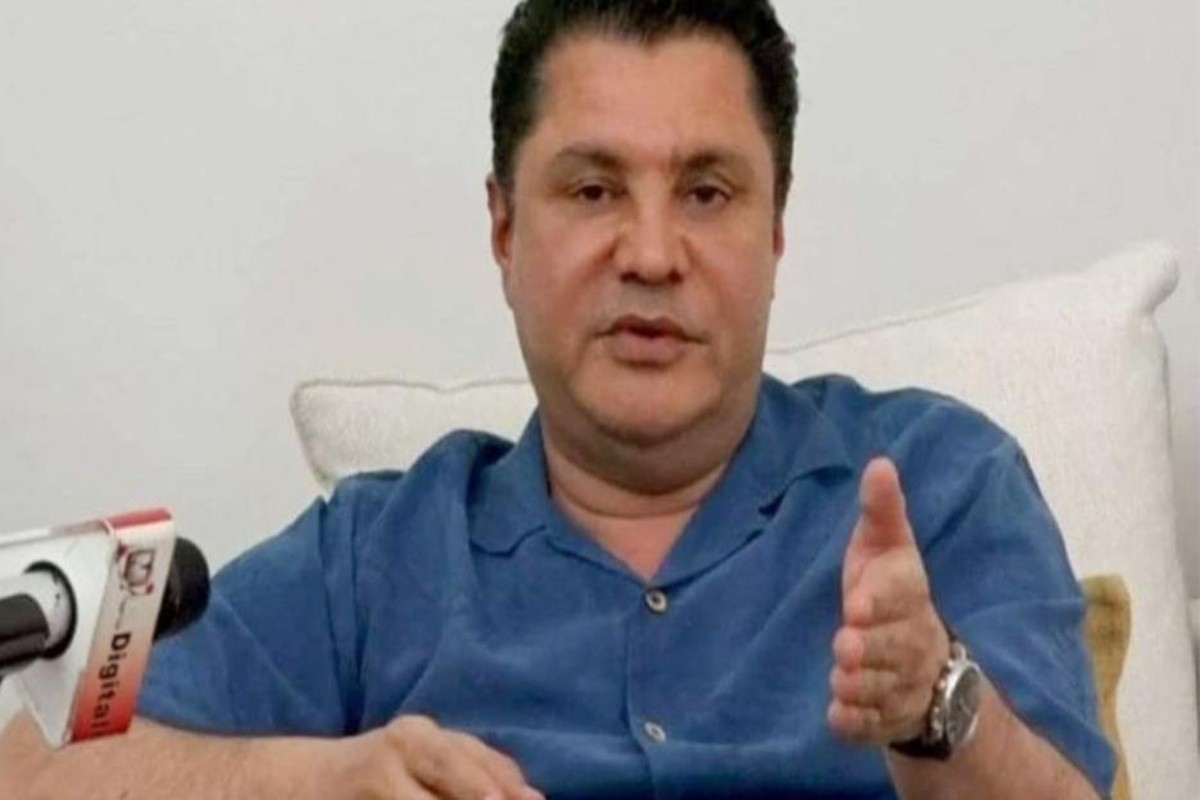
Tanzanian billionaire Rostam Aziz
Press freedom concerns are rising across East Africa after Tanzanian billionaire Rostam Aziz bought a controlling stake in Nation Media Group, the region’s largest media organization.
The announcement sparked debate among journalists, analysts, and media watchers about how the ownership change could affect editorial independence. NMG has long been regarded as a pillar of credible reporting.
Millions of readers and viewers in Kenya, Tanzania, Uganda, and Rwanda rely on NMG outlets for daily news. The group runs newspapers, television stations, radio networks, and digital platforms. Its publications have shaped public discourse for decades. Leading titles include Kenya’s Daily Nation, Tanzania’s Mwananchi, and Uganda’s Daily Monitor.
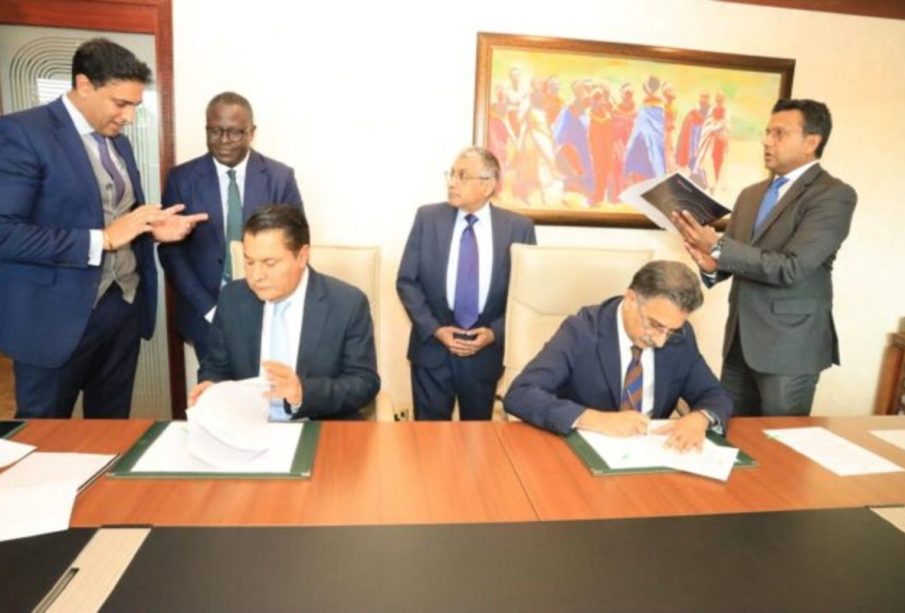
Aziz, 65, said his company, Taarifa Ltd, purchased a 54 percent controlling stake in the Nairobi-based media group. Regulators across the countries where NMG operates must still approve the deal.
Forbes listed Aziz as Tanzania’s first dollar billionaire in 2013. He built a business empire in energy, telecommunications, mining, and trading. Observers worry that his political connections could threaten the independence of one of East Africa’s most influential news organizations.
Concerns Over Political Influence
Aziz previously served as a member of parliament under Tanzania’s long-ruling Chama Cha Mapinduzi party. He keeps close ties with several regional leaders. Critics argue these relationships could pressure editorial decisions at NMG.
At a Nairobi press conference, Aziz reassured journalists and investors that the acquisition will not weaken the company’s commitment to independent reporting. He said credible journalism drives societal development and added that the investment aims to support editorial professionalism.
NMG has historically defended press freedom in East Africa. The company was founded in 1959 by philanthropist and spiritual leader Aga Khan IV through the Aga Khan Fund for Economic Development. He created the media platform to amplify African voices during the final years of colonial rule.
For decades, the development agency held majority ownership. This structure shielded the organization from commercial and political pressures that affect many regional media houses.
Churchill Otieno, president of the Africa Editors Forum and a former senior editor at NMG, said the ownership change raises questions about the company’s role in East Africa’s democratic landscape.
He noted that NMG has long acted as more than a media company, serving as a critical component of the region’s democratic infrastructure. He added that the main concern is not who acquires the company but the vision the new owner brings.
Bernard Mwinzi, another former senior editor, expressed similar concerns. He said NMG’s previous ownership helped protect editorial operations from political and business interests.
Aziz’s connections with prominent leaders have drawn attention. He worked closely with Kenya’s president William Ruto on major energy projects. In 2023, Ruto commissioned Aziz’s Taifa Gas facility in Mombasa and praised him as a determined investor who overcame years of bureaucratic delays.
With Kenya set to hold presidential elections next year, observers say NMG coverage, including the Daily Nation, will face scrutiny for editorial shifts. Aziz dismissed such concerns. He said his relationships with political leaders are personal and separate from business. He noted that he has maintained ties with leaders across the region, including former Kenyan president Uhuru Kenyatta.
The acquisition comes at a challenging time for global news organizations. Like many traditional publishers, NMG faces declining print revenues and is restructuring as audiences shift to digital platforms. Aziz pledged new capital to support digital transformation and strengthen the company’s market position.
Investors reacted positively. NMG shares rose more than 28 percent in two trading days, reaching their highest level in two years.
Even with market optimism, analysts say press freedom concerns will persist. Journalists, readers, and industry observers will watch closely to see whether the new ownership changes editorial direction at one of East Africa’s most prominent news organizations.

Leave a reply


 It seems that Mr. Bridgerton is not the only one swept up in a romance#bridgerton #bridgertonseason400:23
 Mr and Mrs Bridgerton #bridgerton #penelope #theprimemag00:07
 That classic sibling energy where "I’m sorry" actually means "I’m going to do it again #zendaya00:19
 The groom is here #robertpattinson #thedrama #edwardcullen #moviepremiere #funnymoment00:36
 #rihanna and #asaprocky looking great in #paris #theprimemag00:20
 #ElizabethOlsen and #AnthonyMackie on the red carpet00:09
 #SelenaGomez stepped out for the Rare Beauty Matte Foundation launch on Thursday00:17
 #cardib performance yesterday in #vegas #Valentines2026 #lustremagazine00:11
 #CardiB #WholesomeChaos #ProtectTheCrow #FunnyMoment #CelebrityMoments00:07
 They never told you about this Golden Globes gaffe with #JenniferLopez and #JeremyRenner00:11
 #bridgerton #netflix #trending #viral #misspossy #bridgertonseason401:17
 He definitely got it🤩🔥#onechallenge #thewoahchallenge #tiktok #dancetrends #hiphop #dancers00:18
 Oh No! 😂 #funny #relatable #trending #memes00:08
 #LeBron has made a major impact off the court his commitment to education and his community01:01
 😂😂 #memes #baby #fun #funny #trending00:08
 The only time #Shaq really went one-on-one with #LeBron #shaquilleoneal #lebronjames00:29
 Shaq did this on live tv… 😂 #shaq #insidethenba #charlesbarkley #shaquilleoneal #nba00:17
 You just know Kendrick’s heart dropped before he laughed 😭 #shaq #ShaquilleO’Neal00:10
 #nickiminaj or #cardib . That’s a tough one for #50cent 😂00:13
 #sofiavergara in #ModernFamily: #Sofía #Sitcom #FamilyComedy #funny #TVSeries01:00
 #SofíaVergara when asked about arrest on #TheEllenDeGeneresShow 😂00:20
 #Steve Harvey and #shaq on an episode of Family Feud #funny #theprimemag00:57
 #CillianMurphy fake laugh became the focus of the conversation on Jimmy Kimmel Live #theprimemag00:15
 Moment #KatyPerry surprised Benjamin Glaze with a kiss during his American Idol 2018 audition00:37
 #SelenaGomez and music producer #BennyBlanco00:13


The Prime is a dynamic publication delivering the latest in entertainment, lifestyle, culture, sports and world news, bringing sharp insight, fresh perspectives and stories that matter to a global audience.
