
Qatar PM Condemns Iran Strikes on Gulf Countries as Dangerous Miscalculation
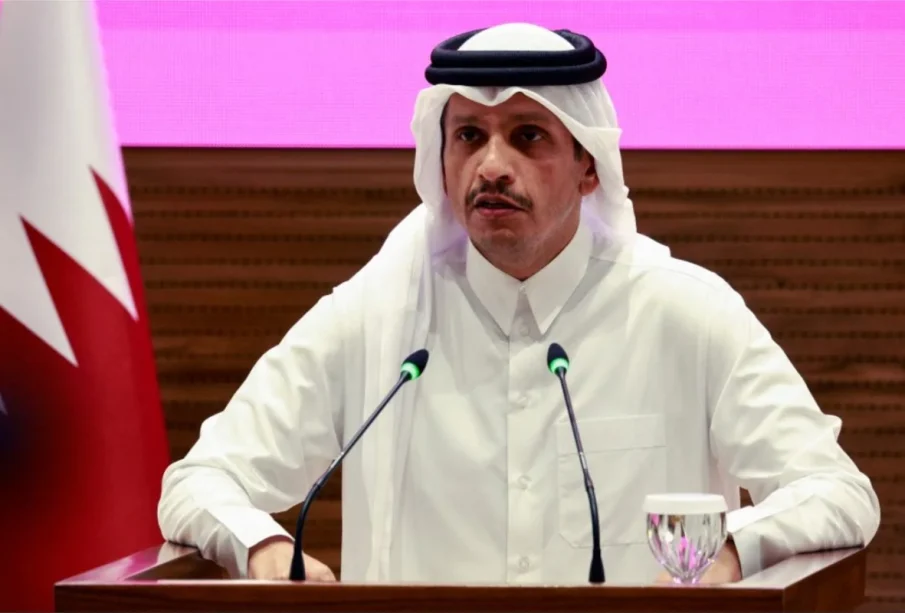
Qatar Prime Minister
The Iran strikes on Gulf countries have raised serious alarm across the Middle East. Qatar’s Prime Minister, Sheikh Mohammed bin Abdulrahman al Thani, warned that the attacks could destabilize the region and shake the global economy. He spoke publicly after Qatar experienced several missile and drone strikes.
The prime minister described the situation as a troubling escalation and called the attacks a “dangerous miscalculation.” He stressed that the Iran strikes on Gulf countries threaten not only regional security but also international markets that depend heavily on Gulf energy resources.
During his remarks to the media, Sheikh Mohammed said Qatar has entered what he called a very difficult period after the attacks. He acknowledged the seriousness of the threat but praised the readiness of the country’s defense forces. According to him, Qatar’s security teams responded quickly and acted with professionalism during the emergency. Their swift response helped protect key installations and maintain public order.
The prime minister also expressed deep disappointment over Iran’s actions. He said the attacks shocked Gulf countries that had tried to avoid involvement in the wider confrontation between the United States, Israel, and Iran. Qatar and other Gulf states had clearly stated their intention to remain outside the military conflict. They had no plans to participate in strikes against neighboring nations.
Sheikh Mohammed explained that the Iran strikes on Gulf countries created a strong feeling of betrayal among regional leaders. Qatar had worked for years to maintain diplomatic communication with Tehran even during tense periods. The country often positioned itself as a mediator in international crises. Its leaders believed dialogue could reduce conflict and prevent escalation.
That diplomatic approach now faces new pressure. The latest attacks appear to have strained the fragile balance that existed between Gulf states and Iran. Sheikh Mohammed noted that the strikes came from a country that shares geographic proximity and long historical ties with its neighbors. He said the explanations offered by Iran for launching the attacks were unacceptable. In his view, those justifications failed to explain why missiles targeted nearby nations.
Calls for De-escalation as Regional Tensions Rise
Despite his criticism of Tehran, the Qatari leader urged restraint from all sides. He warned that more military action would only deepen the crisis. Further escalation could widen the conflict and drag more countries into direct confrontation.
According to Sheikh Mohammed, diplomacy remains the only realistic path to stability. He repeated that the Iran strikes on Gulf countries risk pushing the region toward a broader war. Continued retaliation could trigger a chain reaction that would involve additional states and intensify regional instability.
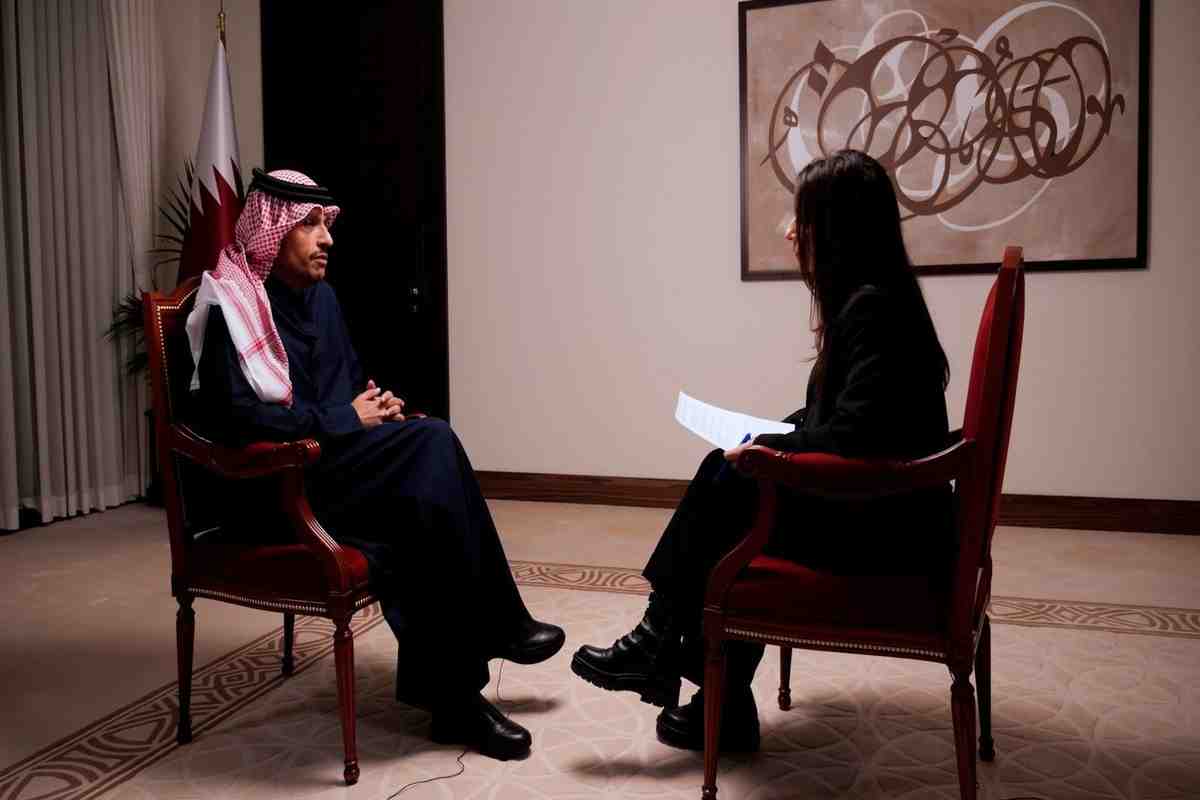
The prime minister directed his appeal not only at Iran. He also urged the United States to help lower tensions. In his view, major powers must act carefully during such fragile moments. Escalating military responses could push the situation beyond control.
Another major concern involved the targets struck during the attacks. Iran had suggested that the strikes focused on military sites. However, Sheikh Mohammed disputed that claim. He said evidence indicated that several civilian facilities also suffered damage.
Among the reported targets were international airports, water infrastructure, and gas-related installations. Such facilities serve millions of civilians across the Gulf. Damage to these systems creates both humanitarian and economic risks. Interruptions to water supplies or air transport could affect daily life for large populations.
The prime minister also warned about the wider economic consequences of the crisis. Qatar ranks among the world’s leading exporters of liquefied natural gas. The country supplies roughly one-fifth of the global LNG market. Qatar also produces large quantities of fertilizer used in agriculture.
Any disruption to those industries could send shockwaves through global markets. Energy prices could rise quickly. Fertilizer shortages might also affect agricultural production in many countries. Such developments could influence food prices and economic stability far beyond the Middle East.
For now, Gulf governments insist they do not want direct involvement in the broader conflict. Their leaders continue to call for diplomatic engagement instead of military escalation. However, the growing number of strikes suggests that the conflict’s impact is expanding.
Analysts warn that this shift represents the greatest danger at the moment. A confrontation that initially involved only a few actors now risks spreading across the region. Countries that once hoped to remain on the sidelines increasingly face direct threats to their security and stability.


Leave a reply


 It seems that Mr. Bridgerton is not the only one swept up in a romance#bridgerton #bridgertonseason400:23
 Mr and Mrs Bridgerton #bridgerton #penelope #theprimemag00:07
 That classic sibling energy where "I’m sorry" actually means "I’m going to do it again #zendaya00:19
 The groom is here #robertpattinson #thedrama #edwardcullen #moviepremiere #funnymoment00:36
 #rihanna and #asaprocky looking great in #paris #theprimemag00:20
 #ElizabethOlsen and #AnthonyMackie on the red carpet00:09
 #SelenaGomez stepped out for the Rare Beauty Matte Foundation launch on Thursday00:17
 #cardib performance yesterday in #vegas #Valentines2026 #lustremagazine00:11
 #CardiB #WholesomeChaos #ProtectTheCrow #FunnyMoment #CelebrityMoments00:07
 They never told you about this Golden Globes gaffe with #JenniferLopez and #JeremyRenner00:11
 #bridgerton #netflix #trending #viral #misspossy #bridgertonseason401:17
 He definitely got it🤩🔥#onechallenge #thewoahchallenge #tiktok #dancetrends #hiphop #dancers00:18
 Oh No! 😂 #funny #relatable #trending #memes00:08
 #LeBron has made a major impact off the court his commitment to education and his community01:01
 😂😂 #memes #baby #fun #funny #trending00:08
 The only time #Shaq really went one-on-one with #LeBron #shaquilleoneal #lebronjames00:29
 Shaq did this on live tv… 😂 #shaq #insidethenba #charlesbarkley #shaquilleoneal #nba00:17
 You just know Kendrick’s heart dropped before he laughed 😭 #shaq #ShaquilleO’Neal00:10
 #nickiminaj or #cardib . That’s a tough one for #50cent 😂00:13
 #sofiavergara in #ModernFamily: #Sofía #Sitcom #FamilyComedy #funny #TVSeries01:00
 #SofíaVergara when asked about arrest on #TheEllenDeGeneresShow 😂00:20
 #Steve Harvey and #shaq on an episode of Family Feud #funny #theprimemag00:57
 #CillianMurphy fake laugh became the focus of the conversation on Jimmy Kimmel Live #theprimemag00:15
 Moment #KatyPerry surprised Benjamin Glaze with a kiss during his American Idol 2018 audition00:37
 #SelenaGomez and music producer #BennyBlanco00:13


The Prime is a dynamic publication delivering the latest in entertainment, lifestyle, culture, sports and world news, bringing sharp insight, fresh perspectives and stories that matter to a global audience.
