
Rising Tensions Shake Travel in the Middle East Amid Operation Epic Fury
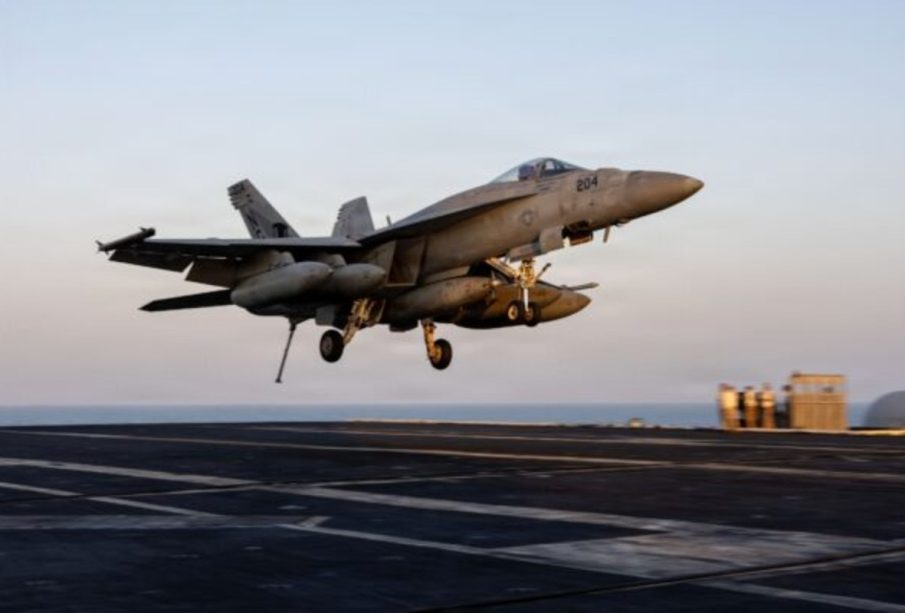
The Middle East has become a volatile hotspot for international travel. The recent US-Israeli military operation, called Operation Epic Fury, sparked a regional crisis after the assassination of Iran’s ruler, Ayatollah Ali Khamenei, on 28 February.
The offensive triggered retaliatory attacks across at least 14 countries. Major travel hubs have been affected, prompting governments worldwide to issue urgent advisories. For travellers and businesses, understanding the situation is crucial for safety and planning.
Airports and Airspace Under Threat
The conflict targets civilian infrastructure. Drone attacks hit the Royal Air Force Base in Cyprus, airports across the Gulf Cooperation Council, and economic centres like Dubai, Abu Dhabi, and Doha.
Dubai International Airport, one of the busiest worldwide, suffered drone debris damage. Authorities closed the airport for three days, stranding hundreds of thousands of passengers. A projectile also sparked a fire at the Fairmont The Palm hotel in Dubai. Videos spread quickly on social media, amplifying global concern.
According to BBC, Dr. John Rose, Chief Risk Advisor at corporate travel management firm ALTOUR, said, “The retaliation against areas like the UAE surprised many, as it was considered safe for international visitors. Safety remains the top concern for airport operations. Flights will not resume until risks are fully mitigated.”
The US, UK, Canada, and Australia raised advisories for affected nations. They urged citizens to reconsider travel or evacuate. Social media platforms, including X, broadcast “depart now” messages for Americans in 14 countries, underlining the crisis’s urgency.
Country by Country Impact
Iran: Civilian air travel is fully suspended. Iranian airspace remains closed indefinitely. The US, UK, Canada, and Australia issue the highest-level warnings. Overland exits to Turkey and Armenia remain open for evacuees.
United Arab Emirates: Dubai and Abu Dhabi airports are slowly reopening. Emirates and Etihad Airways operate limited flights. Airlines offer free rebooking. The government provides food and accommodation for over 20,000 stranded travellers. Major nations still advise against non-essential travel. The situation could change rapidly.
Qatar: Hamad International Airport in Doha stays closed after multiple intercepted attacks. The US and UK advise shelter in place. Canada and Australia issue strong travel warnings.
Oman: Oman serves as a relative refuge. Many travellers arrive from the UAE. Targeted strikes at Duqm’s commercial port surprised observers. Travel advisories vary. The UK and Canada recommend caution. Australia advises reassessing travel necessity. The US urges immediate departure.
Israel and Lebanon: Israel exchanges strikes with Iranian forces and Hezbollah in Lebanon. Ben Gurion Airport in Tel Aviv is temporarily closed. Air raid sirens sound routinely. Lebanon faces an intensified exodus. Non emergency US embassy personnel have already left. High-level travel warnings remain in effect.
Saudi Arabia, Kuwait, Bahrain, and Jordan: Retaliatory attacks, including a drone strike on the US Embassy in Riyadh, prompted shelter-in-place directives and evacuation orders. Airspace closures and security threats limit options for stranded visitors.
Iraq and Cyprus: Iraq’s airspace remains fully closed. The US issues a Level 4 Do Not Travel advisory. In Cyprus, a drone strike on RAF Akrotiri caused minor damage. Paphos International Airport cancelled flights. British nationals must follow local instructions.
Egypt: Egypt faces no direct attacks but is included in US evacuation advisories. Canada and Australia urge heightened caution for travellers.
President Trump indicated the strikes could continue for several weeks, creating an unpredictable and evolving security landscape. Travellers must weigh trip urgency against escalating risks. They should monitor official channels and register with embassies for real-time updates.
The conflict disrupts the Middle East travel industry. Airports, hotels, and flights change constantly. Travellers must balance urgent travel needs with personal safety. Vigilance, flexibility, and preparedness remain essential for anyone entering the region.




Leave a reply


 It seems that Mr. Bridgerton is not the only one swept up in a romance#bridgerton #bridgertonseason400:23
 Mr and Mrs Bridgerton #bridgerton #penelope #theprimemag00:07
 That classic sibling energy where "I’m sorry" actually means "I’m going to do it again #zendaya00:19
 The groom is here #robertpattinson #thedrama #edwardcullen #moviepremiere #funnymoment00:36
 #rihanna and #asaprocky looking great in #paris #theprimemag00:20
 #ElizabethOlsen and #AnthonyMackie on the red carpet00:09
 #SelenaGomez stepped out for the Rare Beauty Matte Foundation launch on Thursday00:17
 #cardib performance yesterday in #vegas #Valentines2026 #lustremagazine00:11
 #CardiB #WholesomeChaos #ProtectTheCrow #FunnyMoment #CelebrityMoments00:07
 They never told you about this Golden Globes gaffe with #JenniferLopez and #JeremyRenner00:11
 #bridgerton #netflix #trending #viral #misspossy #bridgertonseason401:17
 He definitely got it🤩🔥#onechallenge #thewoahchallenge #tiktok #dancetrends #hiphop #dancers00:18
 Oh No! 😂 #funny #relatable #trending #memes00:08
 #LeBron has made a major impact off the court his commitment to education and his community01:01
 😂😂 #memes #baby #fun #funny #trending00:08
 The only time #Shaq really went one-on-one with #LeBron #shaquilleoneal #lebronjames00:29
 Shaq did this on live tv… 😂 #shaq #insidethenba #charlesbarkley #shaquilleoneal #nba00:17
 You just know Kendrick’s heart dropped before he laughed 😭 #shaq #ShaquilleO’Neal00:10
 #nickiminaj or #cardib . That’s a tough one for #50cent 😂00:13
 #sofiavergara in #ModernFamily: #Sofía #Sitcom #FamilyComedy #funny #TVSeries01:00
 #SofíaVergara when asked about arrest on #TheEllenDeGeneresShow 😂00:20
 #Steve Harvey and #shaq on an episode of Family Feud #funny #theprimemag00:57
 #CillianMurphy fake laugh became the focus of the conversation on Jimmy Kimmel Live #theprimemag00:15
 Moment #KatyPerry surprised Benjamin Glaze with a kiss during his American Idol 2018 audition00:37
 #SelenaGomez and music producer #BennyBlanco00:13


The Prime is a dynamic publication delivering the latest in entertainment, lifestyle, culture, sports and world news, bringing sharp insight, fresh perspectives and stories that matter to a global audience.
