
Safety Tips for International Travel
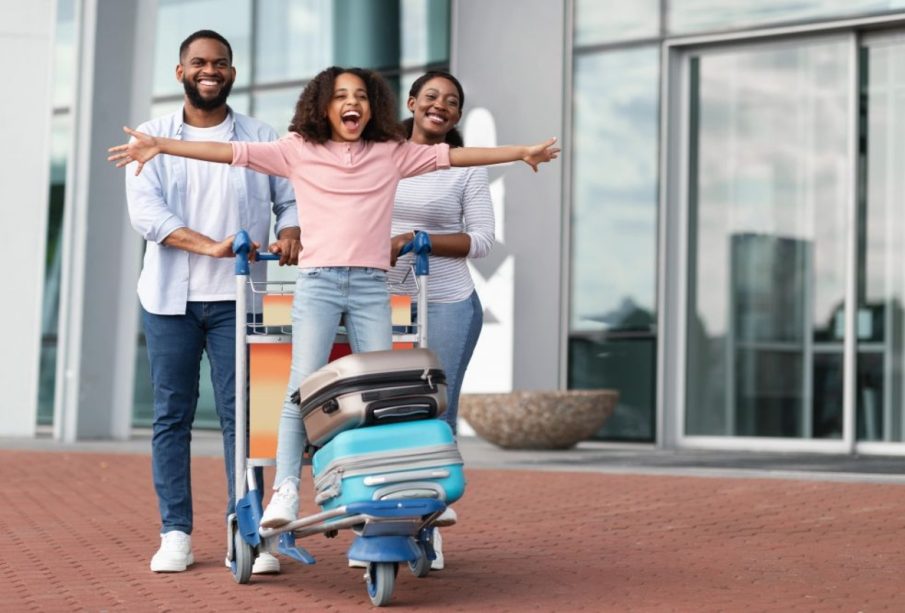
International travel opens the door to new cultures, food, landscapes, and opportunities. It is exciting, enriching, and often life-changing. At the same time, it comes with real responsibilities. From airport security to local laws, health care access to digital privacy, smart preparation makes all the difference.
This guide offers practical, clear, and modern safety tips to help you feel confident and in control every step of the way. You do not need to travel in fear. You simply need to travel informed. With the right plan, you can reduce risks, protect your belongings, and focus on enjoying your journey.
Pre-Departure Planning: Build a Strong Safety Foundation
1. Research Your Destination Thoroughly
Start with official government travel advisories. These provide current updates about political stability, health concerns, crime trends, and entry requirements. Check visa rules, passport validity requirements, and any required vaccinations.
Learn about local laws and customs. Some countries have strict rules about medications, photography, dress codes, or public behavior. Understanding these details helps you avoid unnecessary trouble.
Also, review common scams in your destination city. Tourist areas often attract pickpockets and fraud schemes. A few minutes of research can save you from costly mistakes.
2. Secure Your Travel Documents
Your passport should be valid for at least six months beyond your return date, as many countries require this. Make digital copies of your passport, visa, travel insurance, and flight tickets. Store them securely in cloud storage and email a copy to yourself.
Carry one printed copy in a separate bag from your passport. If your passport is lost or stolen, having copies will speed up the replacement process at your embassy.
If possible, register your trip with your home country’s embassy. This allows them to contact you in case of emergencies.
3. Purchase Comprehensive Travel Insurance
Travel insurance is not optional for serious travelers. Choose a policy that covers medical emergencies, evacuation, trip cancellations, and lost baggage.
Medical treatment abroad can be expensive. Some hospitals require proof of payment before treatment. Insurance gives you financial protection and peace of mind.
Airport and Flight Safety: Stay Alert From the Start
1. Keep Valuables in Your Carry-On
Never pack important items in checked luggage. Keep your passport, money, electronics, medications, and jewelry in your carry-on bag. Luggage can be delayed or lost. Use bags with secure zippers. Avoid placing valuables in outer pockets.
2. Stay Aware in Public Areas
Airports and train stations are common locations for theft. Keep your bag close to your body. Avoid placing phones or wallets loosely on counters. If someone creates a distraction, stay calm and check your belongings immediately.
3. Use Official Transport Only
When you arrive, use airport taxis, verified ride apps, or hotel-arranged transfers. Avoid unmarked cars offering rides. Confirm the driver and vehicle details in the app before entering the car. Share your ride details with a trusted contact.
Personal Safety Abroad: Smart Choices in a New Environment
1. Choose Accommodation Wisely
Book reputable hotels or apartments with strong reviews. Check that entrances are well-lit and staffed. When you arrive, identify emergency exits.
Keep your room door locked at all times. Use the safe for passports and excess cash. If someone knocks unexpectedly, confirm with reception before opening the door.
2. Dress and Act with Cultural Awareness
Blend in as much as possible. Flashy jewelry and expensive gadgets can attract unwanted attention. Dress in a way that respects local customs. In some regions, modest clothing is important.
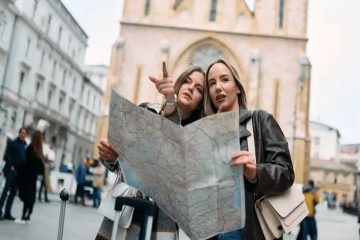
Walk confidently and avoid looking lost. If you need directions, step into a shop or hotel lobby instead of standing on the street with your phone visible.
3. Manage Your Money Carefully
Avoid carrying large amounts of cash. Use credit or debit cards when safe. Divide your money into different places so you are not left without funds if one wallet is lost.
Use ATMs located inside banks or hotels. Shield the keypad while entering your PIN.
Health and Medical Safety: Protect Your Well-Being
Good health starts before you board your flight. Understanding the health risks of your destination helps you stay comfortable and strong throughout your trip. Here are some essential steps to safeguard your well-being before your journey:
1. Get Required Vaccinations
Some countries require proof of vaccination for entry. Check official health guidelines weeks before departure. Routine vaccines should also be up to date. Carry any prescription medications in original packaging along with a doctor’s note if necessary.
2. Practice Food and Water Safety
In certain regions, tap water is not safe to drink. Use bottled or filtered water. Avoid ice if the water quality is uncertain. Eat at reputable restaurants with good hygiene standards. Freshly cooked hot meals are generally safer than raw street food.
3. Know Local Emergency Numbers
Research the emergency phone numbers for police, fire, and medical services in your destination. Save them in your phone. Identify the nearest hospital to your accommodation. This information can be vital during urgent situations.
Digital Security: Stay Safe Online While Traveling
Modern travel involves constant connectivity. Protecting your data is just as important as protecting your passport. Being mindful of online security before and during your trip helps you avoid potential scams. Here are some essential tips to safeguard your data during international travel:
1. Use Secure Internet Connections
Avoid logging into bank accounts on public Wi Fi networks. Use a virtual private network for extra security. Turn off automatic Wi Fi connections. Log out of shared computers after use.
2. Protect Your Devices
Set strong passwords and enable two-factor authentication. Keep your devices with you in public spaces. Do not leave laptops unattended in cafes. Back up important photos and documents regularly.
3. Be Cautious on Social Media
Posting real-time updates can reveal your location to strangers. Consider sharing highlights after you leave a location. This reduces the risk of targeted theft.
You can also review your privacy settings before posting online. Limiting who can view your stories or location tags adds an extra layer of protection. When possible, avoid tagging your exact location until your trip is over. This simple habit helps keep your movements private while you enjoy your international travel experience.
Special Considerations for Solo and Female Travelers
Solo international travel can be deeply empowering. It also requires thoughtful planning. Research neighborhoods carefully before booking accommodation. Arrive during daylight hours if possible. Trust your instincts. If a situation feels wrong, leave immediately.
For female travelers, understand local attitudes toward women. In some places, extra caution at night is wise. Use trusted transport services and avoid isolated areas. Stay connected with family or friends. Share your itinerary and check in regularly.
Handling Emergencies Abroad
Even with preparation, unexpected events can occur. If your passport is lost, report it to local authorities and contact your embassy immediately. They will guide you through the replacement process.
If you are robbed, stay calm and prioritize your safety over belongings. Report the incident and contact your bank to block the cards. In case of natural disasters or civil unrest, follow instructions from local authorities and your embassy. Keep emergency cash accessible.
Returning Home Safely
Safety does not end when the trip is over. Monitor your bank statements for unusual transactions. Seek medical advice if you feel unwell after returning from a region with health risks.
Reflect on your journey and note lessons for future trips. Each experience strengthens your travel confidence.
International travel is one of the most rewarding experiences you can have. With thoughtful preparation, cultural awareness, and smart daily habits, you can move through the world with confidence and style. Safety is not about fear. It is about being informed and intentional.
Save this guide for your next trip and share it with a friend who is planning their own international travel adventure. Safe journeys always start with smart choices.



Leave a reply


 It seems that Mr. Bridgerton is not the only one swept up in a romance#bridgerton #bridgertonseason400:23
 Mr and Mrs Bridgerton #bridgerton #penelope #theprimemag00:07
 That classic sibling energy where "I’m sorry" actually means "I’m going to do it again #zendaya00:19
 The groom is here #robertpattinson #thedrama #edwardcullen #moviepremiere #funnymoment00:36
 #rihanna and #asaprocky looking great in #paris #theprimemag00:20
 #ElizabethOlsen and #AnthonyMackie on the red carpet00:09
 #SelenaGomez stepped out for the Rare Beauty Matte Foundation launch on Thursday00:17
 #cardib performance yesterday in #vegas #Valentines2026 #lustremagazine00:11
 #CardiB #WholesomeChaos #ProtectTheCrow #FunnyMoment #CelebrityMoments00:07
 They never told you about this Golden Globes gaffe with #JenniferLopez and #JeremyRenner00:11
 #bridgerton #netflix #trending #viral #misspossy #bridgertonseason401:17
 He definitely got it🤩🔥#onechallenge #thewoahchallenge #tiktok #dancetrends #hiphop #dancers00:18
 Oh No! 😂 #funny #relatable #trending #memes00:08
 #LeBron has made a major impact off the court his commitment to education and his community01:01
 😂😂 #memes #baby #fun #funny #trending00:08
 The only time #Shaq really went one-on-one with #LeBron #shaquilleoneal #lebronjames00:29
 Shaq did this on live tv… 😂 #shaq #insidethenba #charlesbarkley #shaquilleoneal #nba00:17
 You just know Kendrick’s heart dropped before he laughed 😭 #shaq #ShaquilleO’Neal00:10
 #nickiminaj or #cardib . That’s a tough one for #50cent 😂00:13
 #sofiavergara in #ModernFamily: #Sofía #Sitcom #FamilyComedy #funny #TVSeries01:00
 #SofíaVergara when asked about arrest on #TheEllenDeGeneresShow 😂00:20
 #Steve Harvey and #shaq on an episode of Family Feud #funny #theprimemag00:57
 #CillianMurphy fake laugh became the focus of the conversation on Jimmy Kimmel Live #theprimemag00:15
 Moment #KatyPerry surprised Benjamin Glaze with a kiss during his American Idol 2018 audition00:37
 #SelenaGomez and music producer #BennyBlanco00:13


The Prime is a dynamic publication delivering the latest in entertainment, lifestyle, culture, sports and world news, bringing sharp insight, fresh perspectives and stories that matter to a global audience.
