
Sean “Diddy” Combs May Get Early Release After Rehab Enrollment
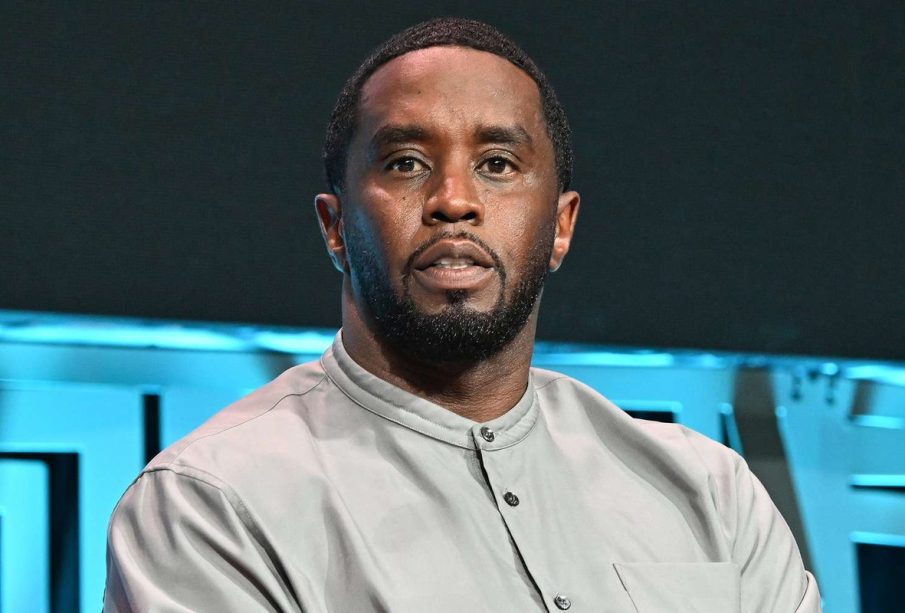
Sean “Diddy” Combs
Sean “Diddy” Combs may see an earlier release from prison after joining a federal drug rehabilitation program, according to recent records. The music mogul, who has been serving time at the Federal Correctional Institution in Fort Dix, New Jersey, now has a projected release date of April 25, 2028 nearly six weeks ahead of the previously scheduled June 4 date.
Public records from the Federal Bureau of Prisons, as reported by Page Six, indicate that the change in Combs’ release timeline follows his enrollment in the Residential Drug Abuse Program (RDAP) last November.
The program, designed to support inmates struggling with substance abuse, allows participants who successfully complete it to earn sentence reductions under federal guidelines.
A spokesperson for the Bad Boy Records founder highlighted Combs’ commitment to the program at the time of his acceptance. “Mr. Combs is an active participant in the Residential Drug Abuse Program and has taken his rehabilitation process seriously from the start. He is fully engaged in his work, focused on growth, and committed to positive change,” the representative stated.
In addition to participating in rehabilitation, Diddy Combs is actively pursuing legal avenues to challenge his conviction. In December, he filed an appeal seeking either a reversal of the verdict or a reduction in his four-year sentence.
His legal team contends that the prosecution did not provide sufficient evidence to warrant the conviction and that the sentence was disproportionately harsh.
Federal prosecutors, however, opposed the appeal in February, arguing that both the conviction and the sentence should remain in place. The case stems from Combs’ conviction on two counts related to transportation for prostitution after a lengthy trial.
While his early release now appears possible due to the rehabilitation program, Combs’ broader legal battle continues, keeping the final outcome uncertain. Supporters and observers alike are watching closely to see whether his participation in RDAP and ongoing appeal efforts could further alter his prison term.
This latest adjustment offers a glimpse into the complex intersection of criminal sentencing, rehabilitation programs, and ongoing appeals, as the music executive navigates both his time in custody and the pursuit of legal remedies outside prison walls.
By enrolling in RDAP and committing to the program’s structure, Combs signals a serious effort toward personal growth and rehabilitation while continuing to challenge the court’s decisions regarding his sentence.

Leave a reply


 It seems that Mr. Bridgerton is not the only one swept up in a romance#bridgerton #bridgertonseason400:23
 Mr and Mrs Bridgerton #bridgerton #penelope #theprimemag00:07
 That classic sibling energy where "I’m sorry" actually means "I’m going to do it again #zendaya00:19
 The groom is here #robertpattinson #thedrama #edwardcullen #moviepremiere #funnymoment00:36
 #rihanna and #asaprocky looking great in #paris #theprimemag00:20
 #ElizabethOlsen and #AnthonyMackie on the red carpet00:09
 #SelenaGomez stepped out for the Rare Beauty Matte Foundation launch on Thursday00:17
 #cardib performance yesterday in #vegas #Valentines2026 #lustremagazine00:11
 #CardiB #WholesomeChaos #ProtectTheCrow #FunnyMoment #CelebrityMoments00:07
 They never told you about this Golden Globes gaffe with #JenniferLopez and #JeremyRenner00:11
 #bridgerton #netflix #trending #viral #misspossy #bridgertonseason401:17
 He definitely got it🤩🔥#onechallenge #thewoahchallenge #tiktok #dancetrends #hiphop #dancers00:18
 Oh No! 😂 #funny #relatable #trending #memes00:08
 #LeBron has made a major impact off the court his commitment to education and his community01:01
 😂😂 #memes #baby #fun #funny #trending00:08
 The only time #Shaq really went one-on-one with #LeBron #shaquilleoneal #lebronjames00:29
 Shaq did this on live tv… 😂 #shaq #insidethenba #charlesbarkley #shaquilleoneal #nba00:17
 You just know Kendrick’s heart dropped before he laughed 😭 #shaq #ShaquilleO’Neal00:10
 #nickiminaj or #cardib . That’s a tough one for #50cent 😂00:13
 #sofiavergara in #ModernFamily: #Sofía #Sitcom #FamilyComedy #funny #TVSeries01:00
 #SofíaVergara when asked about arrest on #TheEllenDeGeneresShow 😂00:20
 #Steve Harvey and #shaq on an episode of Family Feud #funny #theprimemag00:57
 #CillianMurphy fake laugh became the focus of the conversation on Jimmy Kimmel Live #theprimemag00:15
 Moment #KatyPerry surprised Benjamin Glaze with a kiss during his American Idol 2018 audition00:37
 #SelenaGomez and music producer #BennyBlanco00:13


The Prime is a dynamic publication delivering the latest in entertainment, lifestyle, culture, sports and world news, bringing sharp insight, fresh perspectives and stories that matter to a global audience.
