
Senegal Signs a New Anti LGBT Law Raising Maximum Sentence
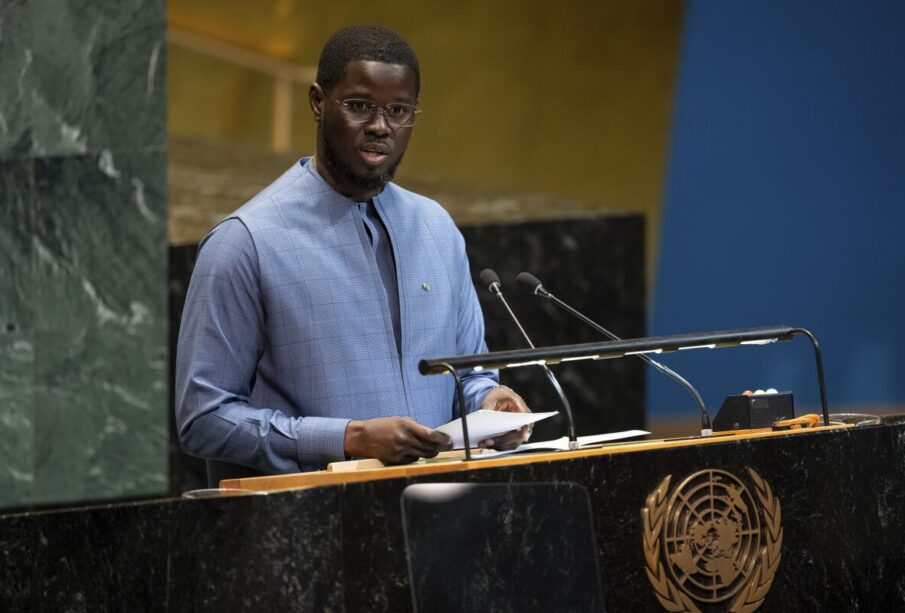
Senegal has enforced a new anti LGBT law after President Bassirou Diomaye Faye approved legislation that increases prison terms for same sex relationships. The measure raises the maximum sentence from five years to ten years. It also introduces new penalties for what authorities describe as the promotion of homosexuality.
Parliament passed the law last month with strong backing. The legislation also targets public expressions of support for LGBT rights. Authorities can sentence individuals or organisations found guilty of promoting homosexuality to between three and seven years in prison. Government officials say the policy reflects public opinion. However, critics warn that it may deepen fear and discrimination.
Concerns Grow Over Rights and Freedoms
The new anti LGBT law has attracted criticism from international bodies and human rights groups. For instance, Volker Türk described the legislation as deeply troubling. He argued that it contradicts fundamental human rights principles.
Despite these concerns, Senegalese authorities continue to defend the decision. Officials insist that the law aligns with the country’s cultural and social values. Moreover, the legislation formed a key campaign promise by President Faye and Prime Minister Ousmane Sonko. Both leaders have consistently supported stricter measures.
Earlier this year, authorities carried out a series of arrests linked to alleged same sex relationships. These relationships were already illegal under existing laws. In February, officials detained at least twelve men, including public figures and a journalist. Authorities charged them under laws that prohibit what they describe as acts against nature.
Human rights organisations report a rise in hostility toward LGBT individuals in recent months. For example, Human Rights Watch has pointed to repeated attempts by lawmakers in 2022 and 2024 to increase penalties. However, those earlier efforts failed to pass into law.
Parliament eventually approved the current bill with overwhelming support. Lawmakers voted strongly in favour of the measure. A total of 135 members supported it, while none opposed it and only three abstained. This result reflects a high level of political agreement within the country.
In addition, the anti LGBT law places restrictions on advocacy. It limits the ability of civil society groups to operate freely. It also affects their access to funding for activities related to LGBT rights. Critics argue that these limits may weaken freedom of expression. They also warn that affected individuals may struggle to find support.
Meanwhile, Senegal does not stand alone in this direction. Several African countries have introduced stricter laws targeting same sex relationships in recent years. For instance, Burkina Faso approved a similar ban in 2025. Likewise, Mali introduced its own restrictions earlier.
In addition, Uganda passed one of the toughest laws in 2023. That law allows severe penalties, including the death sentence in certain cases. At the same time, Ghana continues to consider new legislation. Activists warn that the proposed measures could affect basic freedoms.
As the new rules take effect in Senegal, attention will likely remain on enforcement and impact. Authorities maintain that the measures reflect national values. However, rights groups continue to warn about broader consequences. They argue that the law may affect human rights and personal freedoms across the country.


Leave a reply


 It seems that Mr. Bridgerton is not the only one swept up in a romance#bridgerton #bridgertonseason400:23
 Mr and Mrs Bridgerton #bridgerton #penelope #theprimemag00:07
 That classic sibling energy where "I’m sorry" actually means "I’m going to do it again #zendaya00:19
 The groom is here #robertpattinson #thedrama #edwardcullen #moviepremiere #funnymoment00:36
 #rihanna and #asaprocky looking great in #paris #theprimemag00:20
 #ElizabethOlsen and #AnthonyMackie on the red carpet00:09
 #SelenaGomez stepped out for the Rare Beauty Matte Foundation launch on Thursday00:17
 #cardib performance yesterday in #vegas #Valentines2026 #lustremagazine00:11
 #CardiB #WholesomeChaos #ProtectTheCrow #FunnyMoment #CelebrityMoments00:07
 They never told you about this Golden Globes gaffe with #JenniferLopez and #JeremyRenner00:11
 #bridgerton #netflix #trending #viral #misspossy #bridgertonseason401:17
 He definitely got it🤩🔥#onechallenge #thewoahchallenge #tiktok #dancetrends #hiphop #dancers00:18
 Oh No! 😂 #funny #relatable #trending #memes00:08
 #LeBron has made a major impact off the court his commitment to education and his community01:01
 😂😂 #memes #baby #fun #funny #trending00:08
 The only time #Shaq really went one-on-one with #LeBron #shaquilleoneal #lebronjames00:29
 Shaq did this on live tv… 😂 #shaq #insidethenba #charlesbarkley #shaquilleoneal #nba00:17
 You just know Kendrick’s heart dropped before he laughed 😭 #shaq #ShaquilleO’Neal00:10
 #nickiminaj or #cardib . That’s a tough one for #50cent 😂00:13
 #sofiavergara in #ModernFamily: #Sofía #Sitcom #FamilyComedy #funny #TVSeries01:00
 #SofíaVergara when asked about arrest on #TheEllenDeGeneresShow 😂00:20
 #Steve Harvey and #shaq on an episode of Family Feud #funny #theprimemag00:57
 #CillianMurphy fake laugh became the focus of the conversation on Jimmy Kimmel Live #theprimemag00:15
 Moment #KatyPerry surprised Benjamin Glaze with a kiss during his American Idol 2018 audition00:37
 #SelenaGomez and music producer #BennyBlanco00:13


The Prime is a dynamic publication delivering the latest in entertainment, lifestyle, culture, sports and world news, bringing sharp insight, fresh perspectives and stories that matter to a global audience.
