
The Comeback of 80s and 90s Music Styles
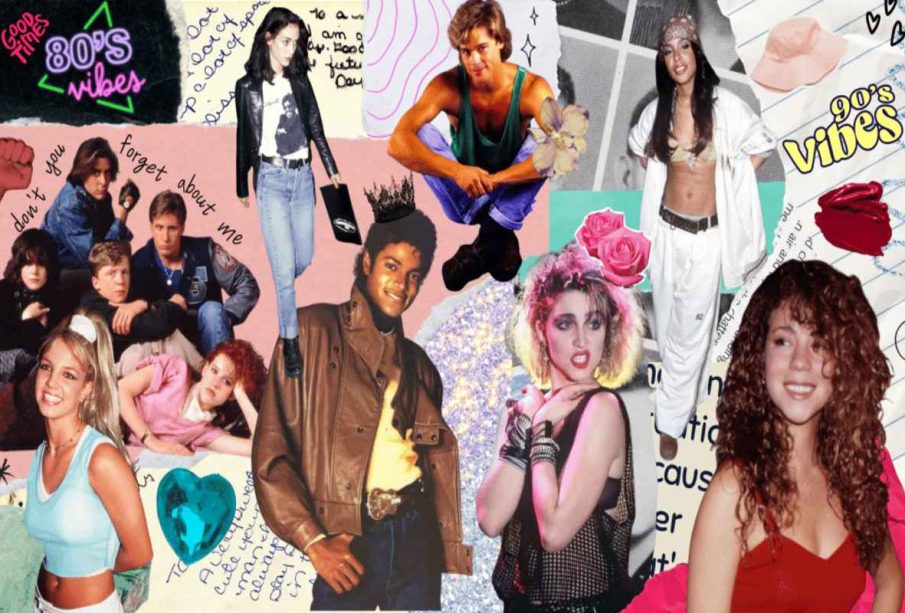
The 80s and 90s music styles comeback is no longer just a passing trend. It has become a strong force shaping today’s sound, fashion, and culture. From radio hits to streaming charts, the influence of past decades is clear. Artists are reaching back to the bold energy of the 1980s and the rich mix of sounds from the 1990s, bringing them into a modern setting that feels fresh and exciting.
This return is not about copying the past. It is about taking what worked and giving it new life. Listeners today are enjoying music that feels familiar yet current. This balance is part of what makes the movement so powerful.
The Sound That Defined Two Iconic Decades
The 1980s and 1990s each brought unique sounds that continue to inspire today’s artists. These decades created a foundation that modern music still builds on.
1. The Bright and Electronic Feel of the 1980s
The 1980s were known for their bold use of synthesizers, drum machines, and catchy melodies. Artists like Michael Jackson and Madonna shaped the era with songs that were both emotional and danceable. Production was polished, and the focus was on creating a strong, memorable sound.
The rise of music television also played a role. Channels like MTV made visuals just as important as the music itself. This helped artists build strong identities that fans could connect with.
2. The Diversity and Depth of the 1990s
The 1990s brought more variety. Genres like hip hop, R and B, grunge, and pop all grew in influence. Artists such as Tupac Shakur, Whitney Houston, and Nirvana each represented different sounds that defined the decade.
This era also focused more on storytelling and emotion. Lyrics became more personal, and production styles allowed for more creative freedom. The result was music that felt real and relatable.
How Modern Artists Are Bringing It Back
Today’s artists are not just inspired by the past. They are actively blending old and new to create something unique. This is where the 80s and 90s music styles comeback becomes most visible.
1. Pop Music with Retro Influence
Artists like Dua Lipa and The Weeknd have embraced the bright sounds of the 1980s. Songs like Blinding Lights by The Weeknd show clear inspiration from synth driven pop. These tracks use modern production tools but keep the spirit of older music. The result is a sound that feels both nostalgic and current.
2. Hip Hop and R and B Drawing from the Past
Hip hop and R and B artists are also revisiting earlier styles. Many producers sample classic tracks or recreate the smooth feel of 1990s beats. Artists like Drake often blend modern rhythms with older influences.
This connection to the past adds depth to new music. It also introduces younger listeners to sounds they may not have heard before.
The Role of Streaming and Social Media
Technology has played a big part in the return of older music styles. Platforms like TikTok and Spotify have made it easier for songs from any era to find new audiences.
1. Viral Trends and Music Discovery
On TikTok, short videos often use older songs. A track from the 1980s or 1990s can suddenly become popular again because of a trend. This has helped bring many classic songs back into the spotlight.
2. Easy Access to Music History
Streaming services allow users to listen to full catalogs from past decades. This access encourages artists and fans to revisit older music. It also helps explain why the 80s and 90s music styles comeback continues to grow.
Fashion and Visual Style Are Part of the Return
Music is not the only area seeing a revival. Fashion and visuals from these decades are also coming back in a big way.
1. Bold Looks from the 1980s
The 1980s were known for bright colors, large shapes, and strong statements. These elements are now visible again in music videos and live performances.
2. Minimal and Cool Aesthetic of the 1990s
The 1990s introduced a more relaxed style. Simple outfits, denim, and streetwear became popular. This look is now widely seen among young artists and fans. The mix of these styles creates a modern identity that still respects the past.
Production Techniques Then and Now
One key reason for the success of this revival is how production has improved. Today’s tools allow artists to recreate older sounds with greater clarity.
1. Analog Feel with Digital Precision
In the past, music was often recorded using analog equipment. This gave songs a warm and rich tone. Today, producers use digital tools to recreate that feeling while maintaining high sound quality.
2. Sampling and Reinterpretation
Sampling has become a major part of modern music. Producers take parts of older songs and use them in new ways. This keeps classic music alive while adding a fresh perspective.
Read About How How Jazz Influences Contemporary Music
The Emotional Connection to Nostalgia
Nostalgia plays a big role in why people are drawn to older styles. Music from the 1980s and 1990s often reminds listeners of important moments in their lives.
For younger audiences, it offers a sense of discovery. For older listeners, it brings back memories. This emotional link helps explain the strength of the 80s and 90s music styles comeback.
Influence on Global Music Scenes
The revival is not limited to one region. It is happening all over the world, including in Africa. In Nigeria, artists are blending local sounds with influences from past decades. The Afrobeats scene often includes elements of 1990s R and B and pop.
Artists like Wizkid and Tems use smooth melodies and simple beats that reflect this influence. Music today is more connected than ever. Artists can draw inspiration from any culture or era. This global exchange supports the growth of the 80s and 90s music styles comeback.
The Business Side of the Revival
The return of older styles is also good for business. Record labels and streaming platforms benefit from renewed interest in classic music. Older songs are being re released and remastered. This brings in new revenue and keeps the music relevant. Brands are also using retro music in adverts and campaigns. This helps create a strong emotional connection with audiences.
What the Future Looks Like
The influence of the 1980s and 1990s is likely to continue for years. As new artists enter the industry, they will keep finding ways to blend past and present. Music is always evolving, but it often returns to ideas that have proven to work. The 80s and 90s music styles comeback shows how powerful those ideas can be. Younger listeners are not just passive fans.
They are actively engaging with older music, sharing it, and making it part of their identity. This creates a cycle where past and present connect in meaningful ways.
Final Thoughts
The return of 1980s and 1990s music styles is more than a trend. It is a reflection of how music connects people across time. By blending classic sounds with modern ideas, artists are creating something that feels both familiar and new.
The 80s and 90s music styles comeback stands as proof that great music never truly fades. It simply finds new ways to be heard.
Enjoyed this guide? Save it for later or share it with a friend who loves music as much as you do.

Leave a reply


 It seems that Mr. Bridgerton is not the only one swept up in a romance#bridgerton #bridgertonseason400:23
 Mr and Mrs Bridgerton #bridgerton #penelope #theprimemag00:07
 That classic sibling energy where "I’m sorry" actually means "I’m going to do it again #zendaya00:19
 The groom is here #robertpattinson #thedrama #edwardcullen #moviepremiere #funnymoment00:36
 #rihanna and #asaprocky looking great in #paris #theprimemag00:20
 #ElizabethOlsen and #AnthonyMackie on the red carpet00:09
 #SelenaGomez stepped out for the Rare Beauty Matte Foundation launch on Thursday00:17
 #cardib performance yesterday in #vegas #Valentines2026 #lustremagazine00:11
 #CardiB #WholesomeChaos #ProtectTheCrow #FunnyMoment #CelebrityMoments00:07
 They never told you about this Golden Globes gaffe with #JenniferLopez and #JeremyRenner00:11
 #bridgerton #netflix #trending #viral #misspossy #bridgertonseason401:17
 He definitely got it🤩🔥#onechallenge #thewoahchallenge #tiktok #dancetrends #hiphop #dancers00:18
 Oh No! 😂 #funny #relatable #trending #memes00:08
 #LeBron has made a major impact off the court his commitment to education and his community01:01
 😂😂 #memes #baby #fun #funny #trending00:08
 The only time #Shaq really went one-on-one with #LeBron #shaquilleoneal #lebronjames00:29
 Shaq did this on live tv… 😂 #shaq #insidethenba #charlesbarkley #shaquilleoneal #nba00:17
 You just know Kendrick’s heart dropped before he laughed 😭 #shaq #ShaquilleO’Neal00:10
 #nickiminaj or #cardib . That’s a tough one for #50cent 😂00:13
 #sofiavergara in #ModernFamily: #Sofía #Sitcom #FamilyComedy #funny #TVSeries01:00
 #SofíaVergara when asked about arrest on #TheEllenDeGeneresShow 😂00:20
 #Steve Harvey and #shaq on an episode of Family Feud #funny #theprimemag00:57
 #CillianMurphy fake laugh became the focus of the conversation on Jimmy Kimmel Live #theprimemag00:15
 Moment #KatyPerry surprised Benjamin Glaze with a kiss during his American Idol 2018 audition00:37
 #SelenaGomez and music producer #BennyBlanco00:13


The Prime is a dynamic publication delivering the latest in entertainment, lifestyle, culture, sports and world news, bringing sharp insight, fresh perspectives and stories that matter to a global audience.
