
The Healing Power of Knitting: How Yarn and Needles Can Transform Minds and Habits
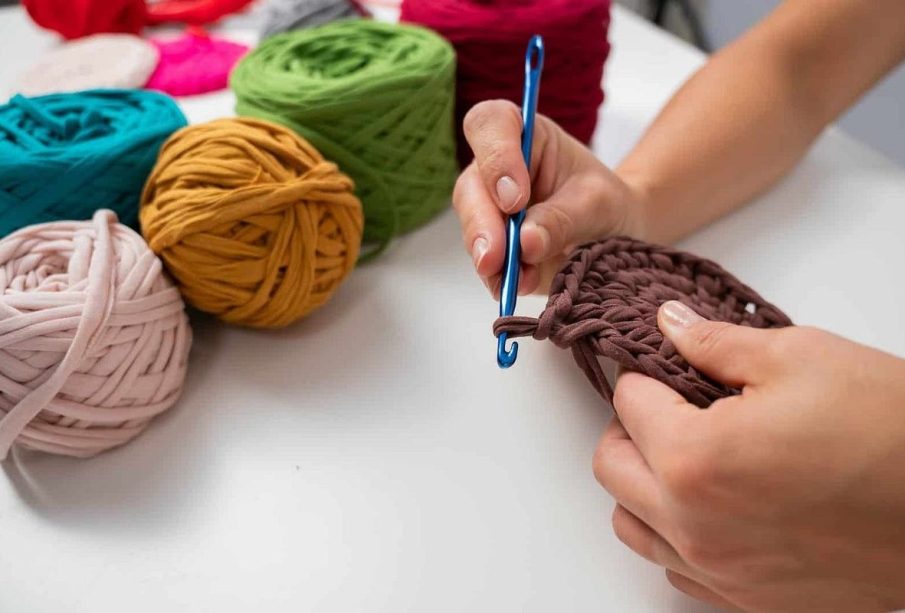
Knitting isn’t just a pastime for grandmothers anymore. The healing power of knitting is increasingly recognized as a tool to help people manage stress, break compulsive habits, and even support recovery from serious addictions.
From nail-biting and doomscrolling to coping with substance abuse, knitting offers a surprisingly effective way to redirect energy and calm the mind. The only side effect? You might end up with an overflowing collection of scarves, hats, and sweaters.
While knitting has long carried the stereotype of being an activity for older women, a growing body of anecdotal and preliminary scientific evidence is challenging that notion. Experts and enthusiasts alike are beginning to see knitting as a legitimate healthcare intervention, offering both mental and emotional benefits.
Knitting as a Tool for Emotional Regulation
One of the most remarkable benefits of knitting lies in its impact on emotional regulation. Repetitive, two-handed motions, common to both knitting and crochet, can have a calming effect on the nervous system, much like therapies used for PTSD and anxiety.
Carl Birmingham, a professor of psychiatry at the University of British Columbia, likens knitting to EMDR (eye movement desensitization and reprocessing), a treatment that uses rhythmic movements to engage both sides of the brain. “Repetitive movements like knitting activate the parasympathetic nervous system,” he explains. “It helps the body and mind unwind after periods of stress.”
Birmingham first began studying knitting as a therapeutic tool in 2009, when he introduced the craft to young women in a treatment center for severe eating disorders.
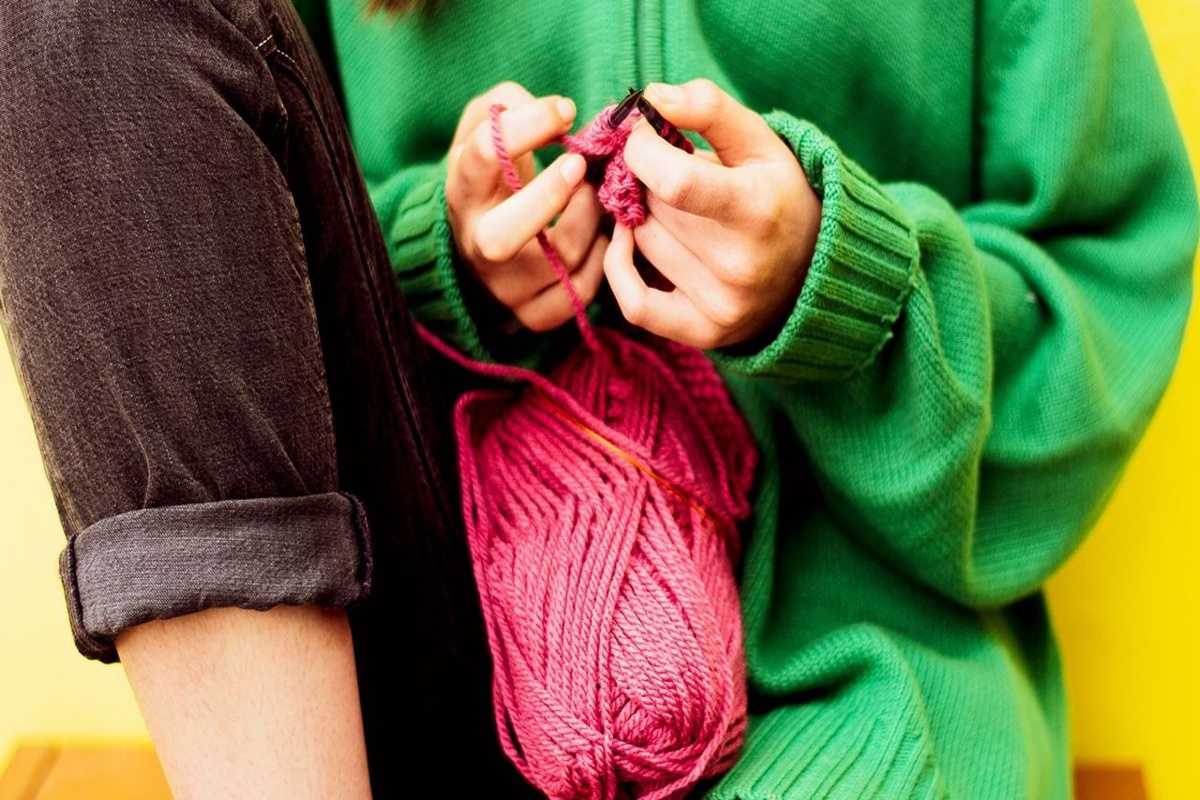
These patients were navigating strict protocols that could trigger anxiety, yet 75% reported that knitting helped reduce food-related worry. Even EEG readings suggested that the activity might decrease stress-related brain activity in the amygdala and insula, though further research is still needed.
Mia Hobbs, a clinical psychologist in London, supports these findings. She explains that knitting allows people to “sit with their feelings” without being overwhelmed by them. The rhythmic motions occupy the hands, which can help shift focus away from obsessive thoughts and compulsive behaviors.
And crucially, she emphasizes, you don’t need to be a skilled knitter to reap these benefits. “Even beginners can experience this calming effect if they engage both sides of the brain consistently,” Hobbs says.
Knitting to Break Addictive Habits
Beyond emotional regulation, the healing power of knitting shows promise in helping people overcome addictive behaviors. By offering a structured, hands-on activity, knitting can replace harmful routines and reduce the urge to engage in compulsive habits.
According to a report on BBC, Casey, a 60-year-old technology manager based in California, spent many years battling cigarette addiction. After attempting several traditional quitting methods, including nicotine patches and meditation, she eventually found an unexpected alternative in knitting.
Her first knitting project, a simple potholder, was far from perfect. However, the repetitive movement of working with yarn and needles gradually replaced the familiar ritual she once associated with smoking.
Within a few weeks of quitting, the habit began to shift. During a particularly stressful work call, instead of reaching for a cigarette, she picked up her knitting needles. The activity helped calm the urge, and over time it became a reliable way to manage cravings.
More than two years later, Casey remains smoke-free and continues to knit regularly, turning what started as a coping strategy into a lasting daily habit.
Similarly, Loes Veenstra from the Netherlands has knitted more than 550 jumpers to help maintain her commitment to quit smoking. In residential treatment centers, small studies have shown promising results: women participating in “knit to quit” programs reported reductions in cigarette consumption, and patients recovering from chemical dependency credited knitting with providing structure and distraction during withdrawal.
The Challenges and Limitations of Knitting Research
Despite these inspiring stories, scientific research into knitting’s benefits faces hurdles. The activity has suffered from a perception problem in clinical circles. Betsan Corkhill, a physiotherapist and wellbeing coach, notes that researchers often lose interest when the word “knitting” comes up. Historically viewed as a feminine pastime, it struggles to be taken seriously alongside other mental health interventions.
The studies that do exist are often limited to surveys of experienced knitters, mostly white women, which makes it hard to generalize findings.
For instance, a 2020 study found that 90% of crochet participants felt calmer after crafting, but these studies rarely include non-knitters or people from diverse backgrounds. This gap points to the need for clinical trials with control groups, similar to drug research, to fully validate knitting as a therapeutic intervention.
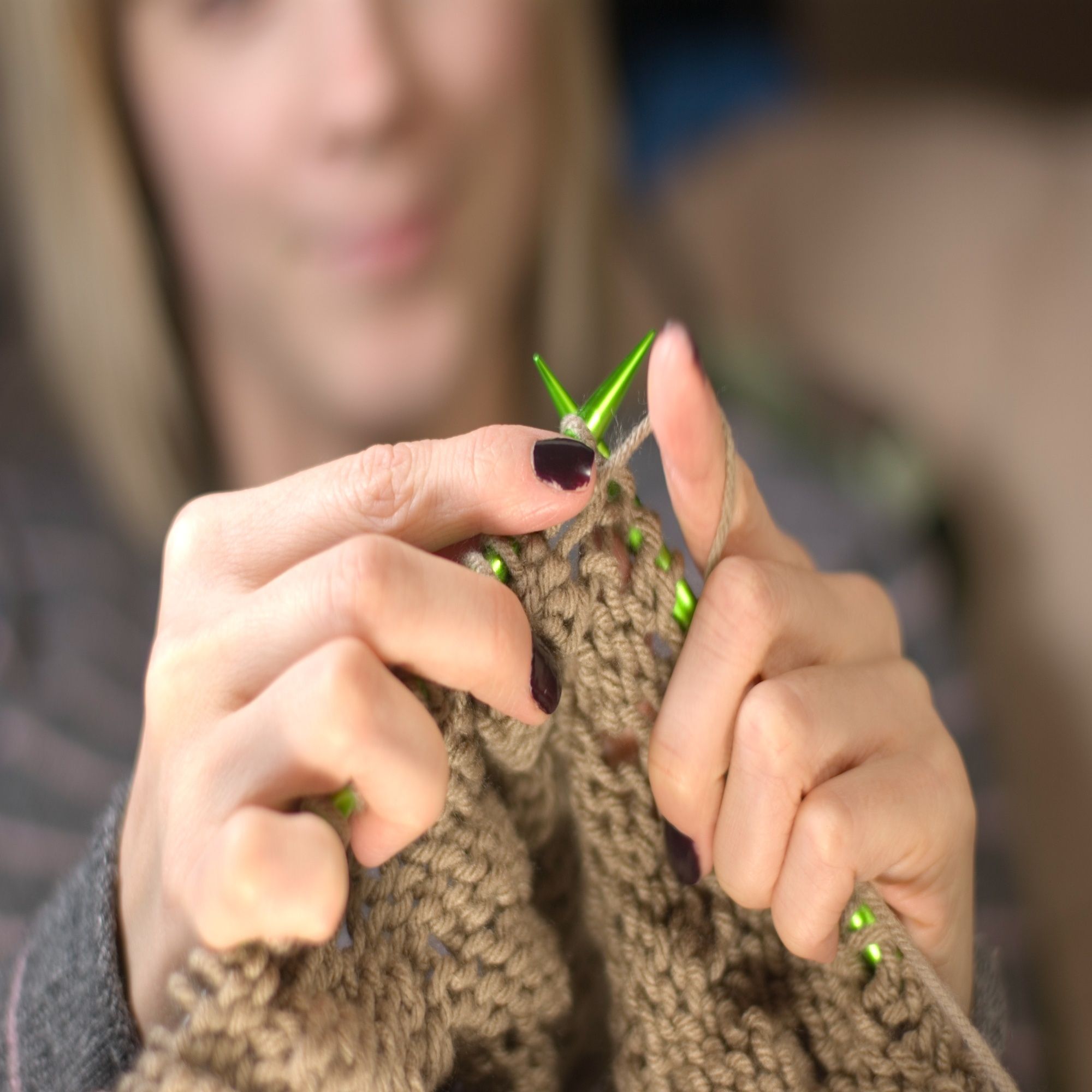
Some claims about knitting’s health benefits also remain unproven. While many online articles suggest knitting lowers heart rate and blood pressure, no peer-reviewed study confirms this.
Likewise, the notion that knitting prevents cognitive decline, such as Alzheimer’s, remains inconclusive. A 2011 study suggested older knitters were less likely to experience cognitive decline, but causality is unclear, it could be that those who are already cognitively healthy continue knitting, rather than knitting actively preventing decline.
Learning to knit is another hurdle. Beginners often encounter frustration, dropped stitches, and uneven patterns before achieving a meditative flow state. Hobbs recommends joining local “knit and natter” or “stitch and bitch” groups for support. Experienced knitters can offer guidance, helping newcomers navigate the craft’s early challenges without losing motivation.
For those who struggle with dexterity or find knitting too fiddly, alternatives such as worry beads can provide similar benefits. The key, according to Birmingham, is consistent engagement with both hands to activate the calming mechanisms of the nervous system.
The Growing Acceptance of Kitting in Mental Health
Despite limited large-scale studies, the healing power of knitting is gaining recognition. In residential treatment centers, knitting is being used alongside conventional therapies for eating disorders and addiction.
Patients report a tangible reduction in stress, fewer cravings, and an increased sense of control over their habits. Even outside clinical settings, knitting is being embraced as a tool for mental well-being, helping people cope with daily stressors, compulsive behaviors, and sensory-seeking habits.
Wilson, who once struggled with self-harming compulsions, emphasizes that the benefits of knitting go beyond the physical. “Knitting taught me patience, focus, and how to redirect my energy in a positive way,” she says. Similarly, countless hobbyists around the world report that knitting provides a sense of accomplishment, mindfulness, and emotional balance.
As the conversation shifts from anecdotal evidence to formal research, experts are hopeful. With clinical trials on the horizon, knitting may eventually earn its place alongside other recognized interventions for mental health and addiction. Until then, its accessibility—cheap, portable, and easy to learn makes it an appealing option for anyone seeking a simple, low-cost way to care for their mind and body.
The healing power of knitting offers more than just pretty scarves and cozy hats. It provides a hands-on method to manage stress, regulate emotions, and replace harmful habits with constructive activity.
While scientific research is still in its early stages, personal stories and preliminary studies show that this humble craft holds promise for mental health, emotional regulation, and addiction recovery. For those willing to take a leap of faith and pick up their first pair of needles, the benefits can be profound, one stitch at a time.
For more trusted insights on health and wellbeing, Follow us on Facebook and Instagram for more health stories.


Leave a reply


 It seems that Mr. Bridgerton is not the only one swept up in a romance#bridgerton #bridgertonseason400:23
 Mr and Mrs Bridgerton #bridgerton #penelope #theprimemag00:07
 That classic sibling energy where "I’m sorry" actually means "I’m going to do it again #zendaya00:19
 The groom is here #robertpattinson #thedrama #edwardcullen #moviepremiere #funnymoment00:36
 #rihanna and #asaprocky looking great in #paris #theprimemag00:20
 #ElizabethOlsen and #AnthonyMackie on the red carpet00:09
 #SelenaGomez stepped out for the Rare Beauty Matte Foundation launch on Thursday00:17
 #cardib performance yesterday in #vegas #Valentines2026 #lustremagazine00:11
 #CardiB #WholesomeChaos #ProtectTheCrow #FunnyMoment #CelebrityMoments00:07
 They never told you about this Golden Globes gaffe with #JenniferLopez and #JeremyRenner00:11
 #bridgerton #netflix #trending #viral #misspossy #bridgertonseason401:17
 He definitely got it🤩🔥#onechallenge #thewoahchallenge #tiktok #dancetrends #hiphop #dancers00:18
 Oh No! 😂 #funny #relatable #trending #memes00:08
 #LeBron has made a major impact off the court his commitment to education and his community01:01
 😂😂 #memes #baby #fun #funny #trending00:08
 The only time #Shaq really went one-on-one with #LeBron #shaquilleoneal #lebronjames00:29
 Shaq did this on live tv… 😂 #shaq #insidethenba #charlesbarkley #shaquilleoneal #nba00:17
 You just know Kendrick’s heart dropped before he laughed 😭 #shaq #ShaquilleO’Neal00:10
 #nickiminaj or #cardib . That’s a tough one for #50cent 😂00:13
 #sofiavergara in #ModernFamily: #Sofía #Sitcom #FamilyComedy #funny #TVSeries01:00
 #SofíaVergara when asked about arrest on #TheEllenDeGeneresShow 😂00:20
 #Steve Harvey and #shaq on an episode of Family Feud #funny #theprimemag00:57
 #CillianMurphy fake laugh became the focus of the conversation on Jimmy Kimmel Live #theprimemag00:15
 Moment #KatyPerry surprised Benjamin Glaze with a kiss during his American Idol 2018 audition00:37
 #SelenaGomez and music producer #BennyBlanco00:13


The Prime is a dynamic publication delivering the latest in entertainment, lifestyle, culture, sports and world news, bringing sharp insight, fresh perspectives and stories that matter to a global audience.
