
The Science Behind Taste and Flavor
Taste and flavour shape the way we experience food every single day. From the sweetness of fruit to the rich depth of a well-cooked meal, taste and flavour guide our choices, influence cravings, and affect how much we enjoy what we eat. The science behind taste and flavour shows that what we sense is not just about the tongue, but a complex interaction between the brain, nose, and even memory.
Food is not only fuel. It is an experience built on signals, perception, and emotion. Once you see how taste works, everyday meals start to feel more intentional and more satisfying.
What Taste Really Means in Science
Taste, in a strict scientific sense, refers to the sensations detected by taste receptors on the tongue. These receptors are grouped into small structures called taste buds, which are found on the surface of the tongue and inside the mouth.
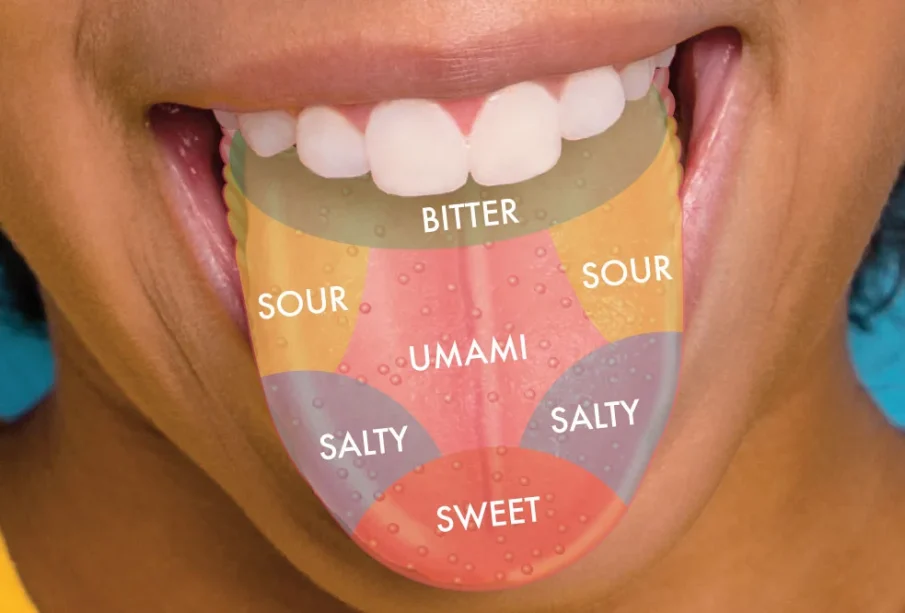
Humans can detect five basic tastes. Each one serves a purpose and gives the body useful information about what is being consumed.
- Sweet signals energy, often from sugars and carbohydrates
- Salty helps regulate fluid balance and nerve function
- Sour can indicate acidity and sometimes spoilage
- Bitter often acts as a warning sign for harmful substances
- Umami represents savory depth, usually linked to proteins
These tastes are processed through the nervous system and sent to the brain, where they are identified and interpreted. This is the foundation of taste and flavour, but it is only one part of the full picture.
The Role of the Tongue and Taste Buds
The tongue is covered with tiny bumps called papillae. Inside these structures are the taste buds, each containing receptor cells that respond to chemicals in food.
When food enters the mouth, it mixes with saliva. This allows chemical compounds to dissolve and interact with the receptors. Once activated, the receptors send signals through nerves to the brain.
There is a common myth that different parts of the tongue detect different tastes. In reality, all areas of the tongue can sense all five basic tastes. Some areas may be slightly more sensitive, but there is no strict separation.
Taste buds are constantly renewing. They typically live for about ten to fourteen days before being replaced. This constant renewal keeps the sense of taste active and responsive.
Flavor Is More Than Taste
Flavor is often confused with taste, but it is a much broader experience. While taste comes from the tongue, flavor is created by combining multiple sensory inputs.
The nose plays a major role in flavor perception. When you eat, aroma molecules travel from the mouth to the nasal cavity. This process is known as retronasal olfaction. It allows the brain to detect subtle notes in food, such as spices, herbs, and cooking methods.
Texture also contributes to flavor. The creaminess of yogurt, the crunch of fresh vegetables, and the smoothness of chocolate all affect how food is perceived. Temperature matters as well. Warm foods release more aroma compounds, making them seem more flavorful. Cold foods tend to have a milder taste. Taste and flavour work together with smell, texture, and temperature to create a complete sensory experience.
How the Brain Shapes What You Taste
The brain is where taste becomes meaningful. Signals from the tongue and nose are sent to areas of the brain that process sensory information and emotion. One important area is the gustatory cortex. This region helps identify tastes and combine them with other sensory inputs.
Another key area is the olfactory bulb, which processes smell and plays a major role in flavor. The brain also connects taste to memory and emotion. This is why certain foods remind you of specific moments or places. A simple dish can bring back strong feelings because of how the brain stores sensory experiences.
This connection explains why taste and flavour are deeply personal. Two people can eat the same meal and experience it differently based on their memories and expectations.
Read More About the Top Healthy Eating Trends in 20206
The Influence of Smell on Flavor
Smell is one of the most powerful contributors to flavor. Without it, food tastes flat and less enjoyable. When you have a cold and your nose is blocked, your ability to detect flavor drops significantly. This shows how closely taste and smell are linked. Aroma compounds in food are released during chewing and travel to the nose. The brain combines these signals with taste signals to create flavor.
Foods like coffee, spices, and grilled meat rely heavily on aroma. Their complexity comes from hundreds of chemical compounds that interact with the olfactory system. Smell also affects appetite. Pleasant aromas can stimulate hunger, while unpleasant ones can reduce it.
Genetics and Personal Taste Preferences
Not everyone experiences taste in the same way. Genetics play a major role in shaping taste sensitivity and preferences. Some people are more sensitive to bitter compounds. These individuals are often called “supertasters.” They may find certain vegetables, like broccoli or Brussels sprouts, too strong or unpleasant.
Others have a lower sensitivity and may prefer stronger flavors. This variation explains why food preferences differ so widely among people. Genetics also influence how people perceive sweetness and saltiness. This can affect dietary choices and health outcomes. Taste and flavour are not fixed. They are influenced by both biology and experience.
Culture and Environment Shape Flavor Choices
Cultural background plays a powerful role in shaping taste preferences. Foods that are common in one region may seem unusual in another. For example, spicy foods are widely enjoyed in many parts of the world, while others prefer milder flavors. These preferences are often developed early in life.
Repeated exposure to certain foods can increase acceptance. Over time, people can grow to enjoy flavors they once disliked. Environment also matters. Availability of ingredients, cooking methods, and social habits all influence how taste develops. Taste and flavour are shaped by both the body and the world around us.
The Chemistry Behind Taste and Flavor
At the core of taste and flavor are chemical interactions. Food contains compounds that react with receptors in the mouth and nose.
Sugars activate sweet receptors. Acids trigger sour responses. Sodium ions create the sensation of saltiness. Bitter compounds bind to specific receptors designed to detect potential toxins. Umami is caused by compounds like glutamate, which are found in foods such as meat, cheese, and tomatoes.
Cooking changes the chemistry of food. Heat can create new flavor compounds through processes like the Maillard reaction. This reaction gives browned foods their rich flavor and aroma. These chemical processes are essential to the experience of taste and flavour.
Read More About the Unique Food Festivals Celebrated Globally
How Texture and Temperature Affect Perception
Texture adds another layer to how food is experienced. The way food feels in the mouth can enhance or reduce enjoyment.Crunchy, smooth, creamy, and chewy textures all create different sensations. These sensations interact with taste and smell to shape the overall experience.
Temperature also plays a key role. Warm foods tend to release more aroma compounds, making them more flavorful. Cold foods can dull certain tastes, especially sweetness. This is why ice cream tastes sweeter as it melts and why hot meals often feel more satisfying.
The Role of Expectation and Presentation
What you expect from food can change how it tastes. Visual appearance, color, and presentation all influence perception. A well-presented dish can seem more appealing and flavorful. Even the color of a drink can affect how sweet or strong it is perceived to be.
The brain uses visual cues to prepare for taste. When expectations are met, the experience feels more satisfying. This shows that taste and flavour are not just physical sensations. They are shaped by the mind as well.
Taste, Health, and Daily Choices
Taste influences food choices, which in turn affect health. People tend to prefer foods that are high in sugar, salt, and fat because these tastes signal energy and satisfaction. However, these preferences can lead to overconsumption if not balanced.
Being aware of how taste works can help guide better decisions. Simple changes, like reducing added sugar or trying new ingredients, can reshape taste preferences over time. Taste and flavour can support healthier habits when approached with awareness and intention.
Final Thoughts
The science behind taste and flavor reveals a rich and layered system that goes far beyond the tongue. It involves the brain, the nose, chemistry, and personal experience.
By paying attention to these elements, everyday eating becomes more engaging and more meaningful. Food becomes not just something you consume, but something you experience fully.
If you found this helpful, share it with a friend who enjoys food and wants to see it in a new way.




Leave a reply


 It seems that Mr. Bridgerton is not the only one swept up in a romance#bridgerton #bridgertonseason400:23
 Mr and Mrs Bridgerton #bridgerton #penelope #theprimemag00:07
 That classic sibling energy where "I’m sorry" actually means "I’m going to do it again #zendaya00:19
 The groom is here #robertpattinson #thedrama #edwardcullen #moviepremiere #funnymoment00:36
 #rihanna and #asaprocky looking great in #paris #theprimemag00:20
 #ElizabethOlsen and #AnthonyMackie on the red carpet00:09
 #SelenaGomez stepped out for the Rare Beauty Matte Foundation launch on Thursday00:17
 #cardib performance yesterday in #vegas #Valentines2026 #lustremagazine00:11
 #CardiB #WholesomeChaos #ProtectTheCrow #FunnyMoment #CelebrityMoments00:07
 They never told you about this Golden Globes gaffe with #JenniferLopez and #JeremyRenner00:11
 #bridgerton #netflix #trending #viral #misspossy #bridgertonseason401:17
 He definitely got it🤩🔥#onechallenge #thewoahchallenge #tiktok #dancetrends #hiphop #dancers00:18
 Oh No! 😂 #funny #relatable #trending #memes00:08
 #LeBron has made a major impact off the court his commitment to education and his community01:01
 😂😂 #memes #baby #fun #funny #trending00:08
 The only time #Shaq really went one-on-one with #LeBron #shaquilleoneal #lebronjames00:29
 Shaq did this on live tv… 😂 #shaq #insidethenba #charlesbarkley #shaquilleoneal #nba00:17
 You just know Kendrick’s heart dropped before he laughed 😭 #shaq #ShaquilleO’Neal00:10
 #nickiminaj or #cardib . That’s a tough one for #50cent 😂00:13
 #sofiavergara in #ModernFamily: #Sofía #Sitcom #FamilyComedy #funny #TVSeries01:00
 #SofíaVergara when asked about arrest on #TheEllenDeGeneresShow 😂00:20
 #Steve Harvey and #shaq on an episode of Family Feud #funny #theprimemag00:57
 #CillianMurphy fake laugh became the focus of the conversation on Jimmy Kimmel Live #theprimemag00:15
 Moment #KatyPerry surprised Benjamin Glaze with a kiss during his American Idol 2018 audition00:37
 #SelenaGomez and music producer #BennyBlanco00:13


The Prime is a dynamic publication delivering the latest in entertainment, lifestyle, culture, sports and world news, bringing sharp insight, fresh perspectives and stories that matter to a global audience.
