
Top Healthy Eating Trends of 2026
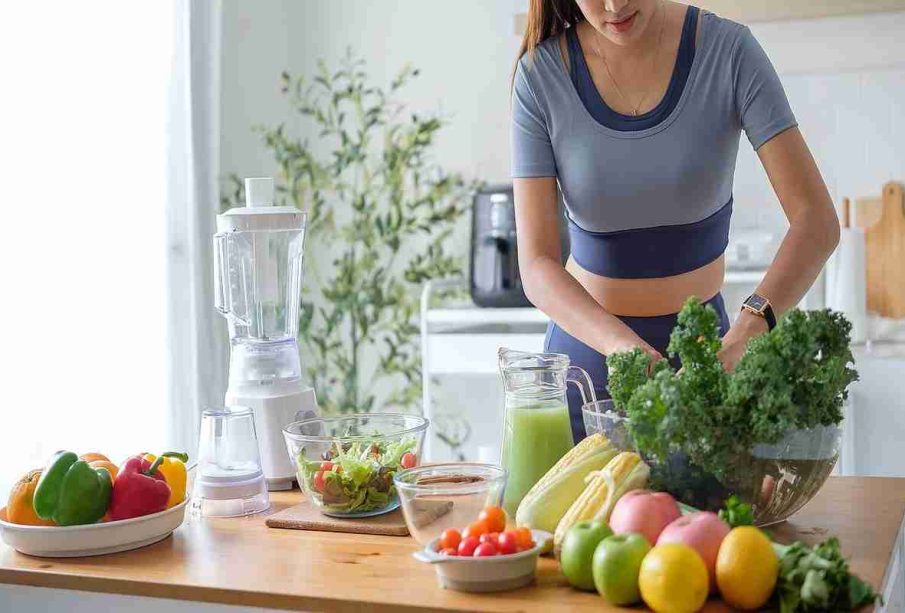
Healthy eating trends are evolving rapidly in 2026 as more people seek ways to nourish their bodies, improve their wellbeing, and enjoy food without stress. Today, eating well is no longer about strict diets or counting calories. It is about creating meals that are satisfying, nutrient-rich, and tailored to individual needs.
From fibre-rich foods to functional ingredients that support immunity and energy, these trends are transforming how we approach daily nutrition. This guide explores the healthy eating trends shaping what we eat, how we eat it, and why these habits matter for our overall health and lifestyle.
Gut-Friendly Foods and Fibre
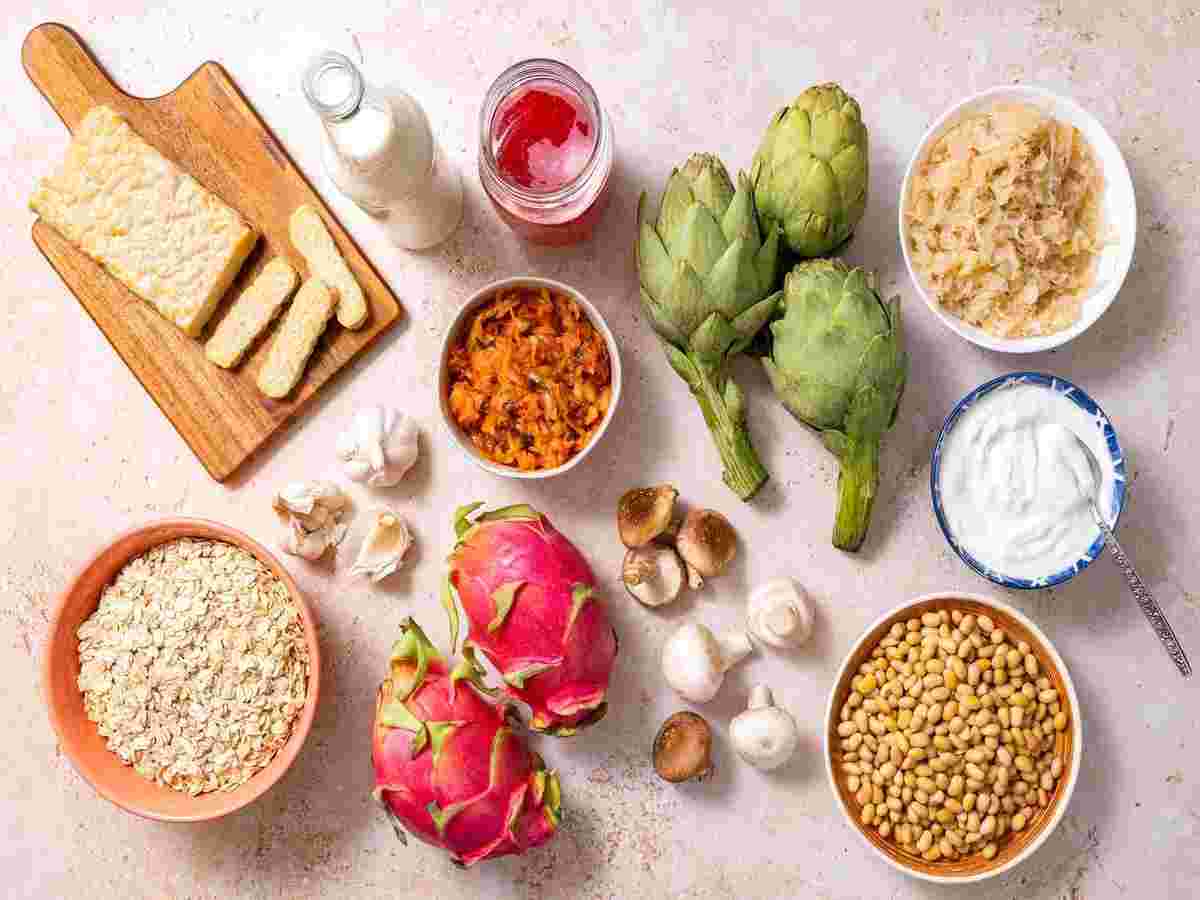
One of the most prominent healthy eating trends in 2026 is the focus on gut health. People are paying more attention to the foods they eat that nourish the digestive system and promote a balanced microbiome. High-fibre foods such as whole grains, legumes, fruits, and vegetables are at the center of this trend. Including fibre naturally in meals helps regulate digestion, maintain steady energy levels, and support satiety throughout the day.
Fermented foods are also gaining popularity. Yogurt, kefir, kimchi, sauerkraut, and other naturally fermented foods are valued for their probiotic content, which works together with dietary fibre to create a healthy gut environment.
Beyond supporting digestion, these foods are linked to improved immunity, better nutrient absorption, and even mental wellbeing. As more people become aware of the connection between gut health and overall wellness, incorporating these foods into daily meals is becoming a priority.
Additionally, fibre is being celebrated for its versatility in modern recipes. From hearty grain bowls to smoothies and baked goods, meals designed to include high-quality fibre are now widely available. This focus on natural, unprocessed fibre is encouraging people to eat foods that are satisfying, nourishing, and enjoyable.
Personalised Nutrition
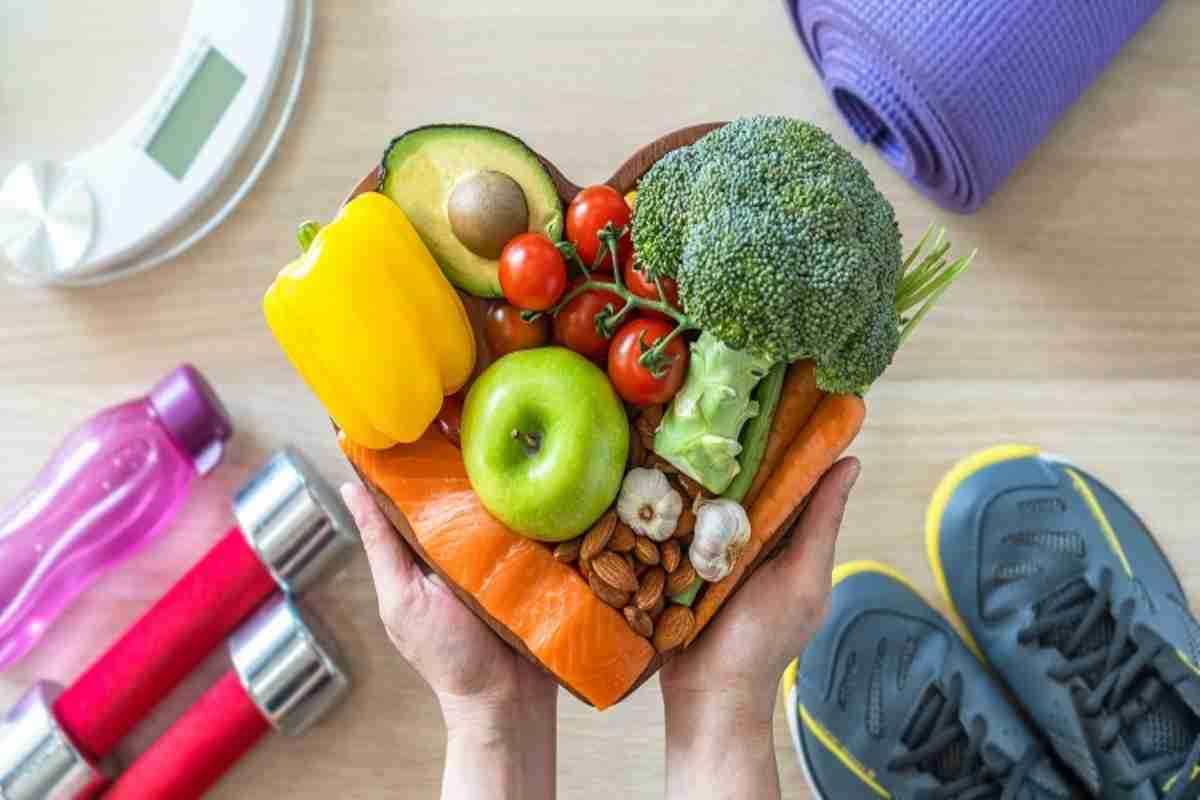
In 2026, personalised nutrition is one of the fastest-growing healthy eating trends. Individuals are using tools and insights to understand how their bodies respond to different foods. This approach moves away from one-size-fits-all diets and instead encourages eating based on personal biology, metabolism, and lifestyle.
By considering factors like blood sugar response, nutrient deficiencies, and even genetic makeup, people can make more informed choices that improve their health outcomes.
Technological advancements make personalised nutrition accessible and practical. Apps and wearables can track food intake, activity, and sleep patterns, helping individuals see the real-time impact of what they eat.
This information allows people to adjust their diets in ways that support sustained energy, better mood, and long-term wellbeing. The appeal of this trend lies in its empowerment; eating becomes an informed and intentional act rather than a rigid obligation.
Moreover, personalised nutrition is influencing the way grocery stores and restaurants create offerings. Meal kits, ready-to-eat options, and even snacks are increasingly tailored to support specific dietary needs. Consumers now have access to choices that align with their individual goals, whether they are focusing on digestive health, energy, weight management, or overall vitality.
Balanced Protein and Plant-Based Eating
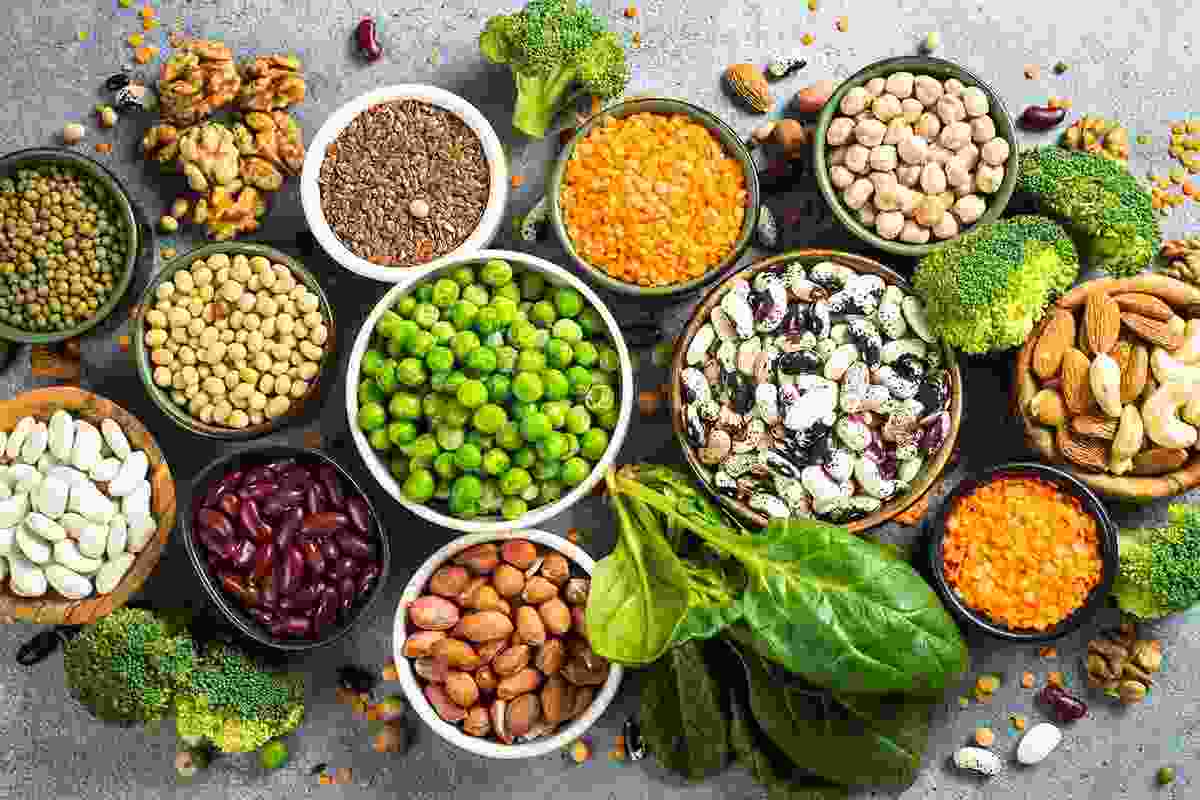
Protein continues to play a central role in healthy eating habits in 2026, but the approach has evolved. Instead of focusing on extreme high-protein diets, people are choosing balanced portions spaced throughout the day.
This strategy supports muscle maintenance, promotes satiety, and integrates well with diverse eating patterns. Protein comes from both animal and plant sources, making it easier for individuals to create meals that fit their preferences and lifestyles.
Plant-based meals are also becoming more popular. Flexitarian approaches that combine vegetables, legumes, and whole grains with moderate amounts of animal protein are rising in demand. This style of eating is not about restriction but about creating nutrient-rich meals that are satisfying and versatile. From vibrant salads to hearty grain bowls, plant-forward meals are now designed to feel indulgent, flavorful, and filling.
In addition, plant-based options are expanding beyond traditional dishes. Innovative ingredients such as pea protein, lentil pasta, and vegetable-based snacks offer exciting ways to enjoy plant-centric meals while still getting the necessary nutrients. This trend is making it easier for people to adopt a diet that benefits their health without compromising taste or enjoyment.
Functional Foods That Support Wellness
Functional foods are among the most dynamic healthy eating trends in 2026. These are foods designed to offer benefits beyond basic nutrition, including supporting immunity, energy, brain health, and digestive wellbeing. Products enriched with vitamins, minerals, probiotics, and other bioactive compounds are increasingly popular.
Consumers are gravitating toward functional foods because they deliver measurable benefits while integrating seamlessly into everyday meals. Prebiotic and probiotic foods, nutrient-enriched beverages, and naturally fortified ingredients provide tangible health advantages. Eating in this way allows individuals to feel empowered about their choices, knowing that the foods they enjoy actively contribute to long-term wellness.
Functional foods also encourage mindfulness in eating. With transparent labeling and clear health benefits, people are more conscious of how different ingredients support their health. This trend goes beyond short-term diets or quick fixes; it represents a more holistic approach to nutrition that combines enjoyment, function, and sustainability.
Global Flavours and Simple, Satisfying Meals
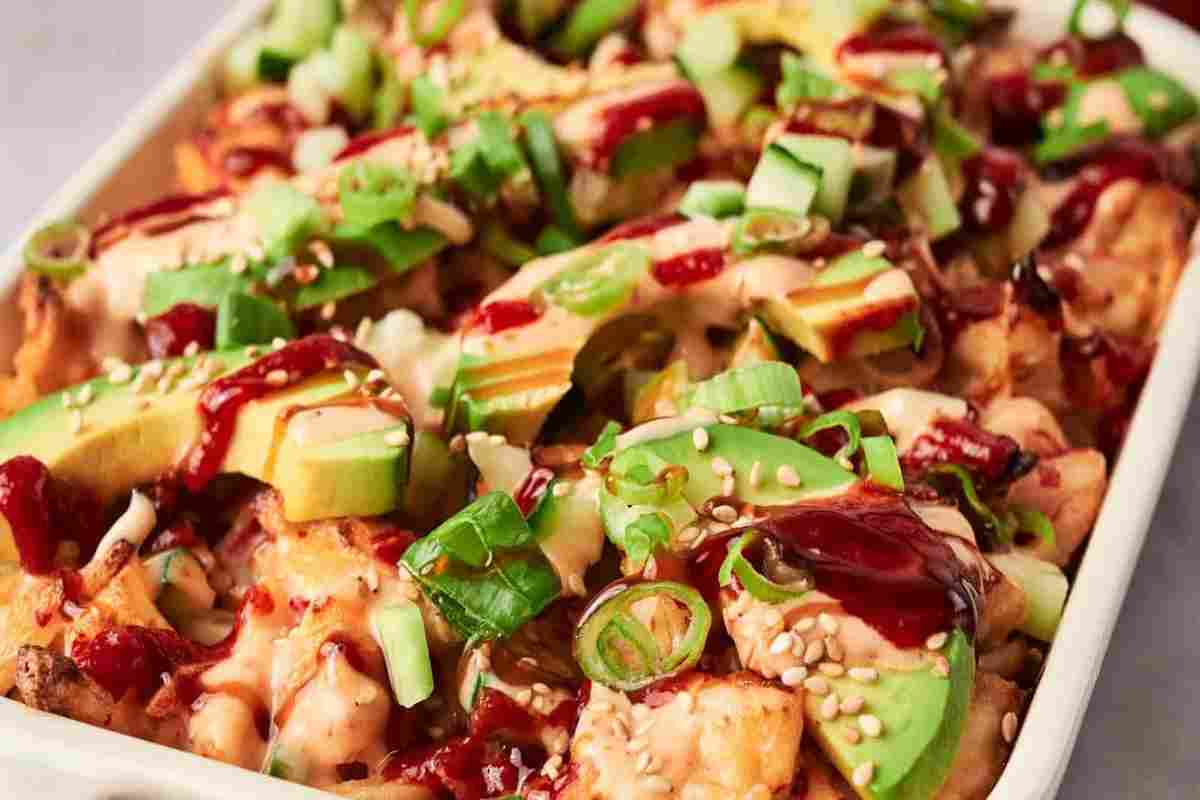
Healthy eating in 2026 is also about creating meals that are simple, satisfying, and inspired by global flavours. International cuisines are influencing the way people cook at home and choose meals at restaurants. Spices, herbs, and regional staples introduce exciting tastes while also offering nutrient-rich options. This makes eating healthy more engaging and enjoyable rather than restrictive or monotonous.
Home cooking is experiencing a renaissance as people look for easy, nourishing meals that fit into busy lifestyles. Quick breakfast options, make-ahead lunches, and balanced dinners provide convenience without compromising nutrition.
This approach makes it easier to eat with intention and still enjoy diverse flavours. From vibrant Mediterranean bowls to aromatic Asian-inspired stir-fries, meals that balance taste and nutrition are becoming the norm.
Restaurants and fast-casual spots are responding by offering menus that combine flavour, convenience, and health. Classic dishes are being reimagined with wholesome ingredients and thoughtful preparation methods. Consumers now have access to meals that satisfy both their taste buds and their wellbeing goals, showing that healthy eating does not require sacrificing enjoyment.
Mindful Portions and Sustainable Choices
Another important aspect of healthy eating in 2026 is portion awareness and sustainability. People are making choices that balance quantity with quality, opting for smaller portions that are nutrient-dense. Single-serve options and well-designed meal combinations help manage intake without feeling deprived.
Sustainability is also influencing food choices. Consumers are considering where their food comes from, how it is produced, and the impact of their choices on the environment. Locally sourced, seasonal, and minimally processed foods are gaining attention because they provide both nutrition and environmental benefits. This approach encourages people to eat responsibly while enjoying a variety of foods that support overall wellness.
Convenience remains a priority, but it no longer comes at the cost of nutrition. Ready-to-eat meals, thoughtfully prepared snacks, and accessible wholesome ingredients make it easy to maintain healthy habits even on the busiest days. Modern meal options allow individuals to stay consistent with their nutrition goals while enjoying the foods they love.
Conclusion
The healthy eating trends of 2026 reflect a more mindful, informed, and enjoyable approach to food. From gut-friendly, fibre-rich meals to personalised nutrition, balanced protein, functional foods, global flavours and sustainable choices, people are embracing ways to nourish their bodies while enjoying every bite. This year is about eating with intention, enjoying meals, and making choices that are flexible, empowering, and sustainable.
Healthy eating is no longer just a trend; it is a lifestyle that combines knowledge, pleasure, and wellbeing. Adopting these habits can help support long-term health, improved energy, and a positive relationship with food. By following these trends, anyone can create meals that are nourishing, satisfying, and exciting.
If you found this guide useful, share it with a friend or save it to reference throughout the year for inspiration on healthy eating habits.



Leave a reply


 It seems that Mr. Bridgerton is not the only one swept up in a romance#bridgerton #bridgertonseason400:23
 Mr and Mrs Bridgerton #bridgerton #penelope #theprimemag00:07
 That classic sibling energy where "I’m sorry" actually means "I’m going to do it again #zendaya00:19
 The groom is here #robertpattinson #thedrama #edwardcullen #moviepremiere #funnymoment00:36
 #rihanna and #asaprocky looking great in #paris #theprimemag00:20
 #ElizabethOlsen and #AnthonyMackie on the red carpet00:09
 #SelenaGomez stepped out for the Rare Beauty Matte Foundation launch on Thursday00:17
 #cardib performance yesterday in #vegas #Valentines2026 #lustremagazine00:11
 #CardiB #WholesomeChaos #ProtectTheCrow #FunnyMoment #CelebrityMoments00:07
 They never told you about this Golden Globes gaffe with #JenniferLopez and #JeremyRenner00:11
 #bridgerton #netflix #trending #viral #misspossy #bridgertonseason401:17
 He definitely got it🤩🔥#onechallenge #thewoahchallenge #tiktok #dancetrends #hiphop #dancers00:18
 Oh No! 😂 #funny #relatable #trending #memes00:08
 #LeBron has made a major impact off the court his commitment to education and his community01:01
 😂😂 #memes #baby #fun #funny #trending00:08
 The only time #Shaq really went one-on-one with #LeBron #shaquilleoneal #lebronjames00:29
 Shaq did this on live tv… 😂 #shaq #insidethenba #charlesbarkley #shaquilleoneal #nba00:17
 You just know Kendrick’s heart dropped before he laughed 😭 #shaq #ShaquilleO’Neal00:10
 #nickiminaj or #cardib . That’s a tough one for #50cent 😂00:13
 #sofiavergara in #ModernFamily: #Sofía #Sitcom #FamilyComedy #funny #TVSeries01:00
 #SofíaVergara when asked about arrest on #TheEllenDeGeneresShow 😂00:20
 #Steve Harvey and #shaq on an episode of Family Feud #funny #theprimemag00:57
 #CillianMurphy fake laugh became the focus of the conversation on Jimmy Kimmel Live #theprimemag00:15
 Moment #KatyPerry surprised Benjamin Glaze with a kiss during his American Idol 2018 audition00:37
 #SelenaGomez and music producer #BennyBlanco00:13


The Prime is a dynamic publication delivering the latest in entertainment, lifestyle, culture, sports and world news, bringing sharp insight, fresh perspectives and stories that matter to a global audience.
