
Trump China Meeting Delay Looms as Iran War Disrupts Diplomatic Plans
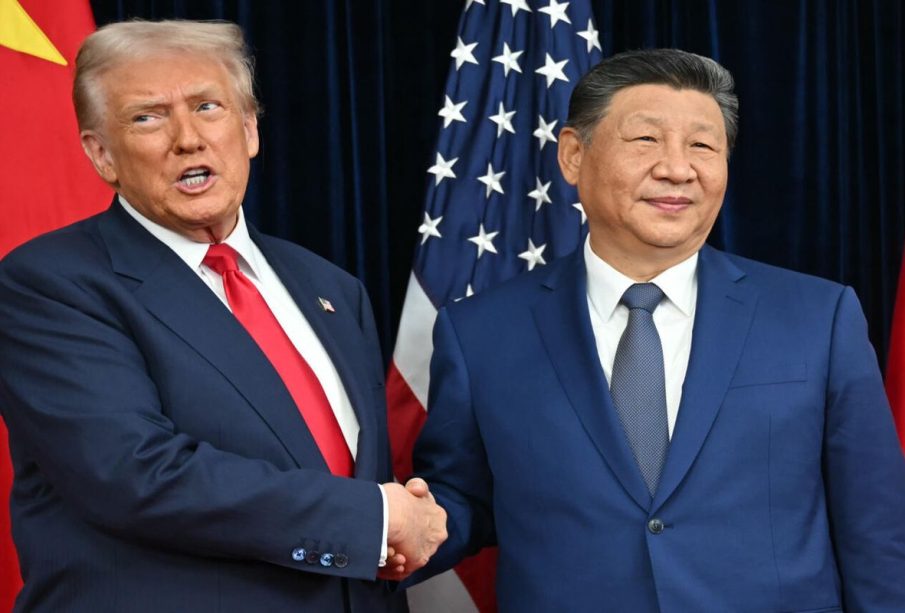
A potential Trump China meeting has shifted into uncertainty after Donald Trump signaled plans to delay his scheduled visit to China. He cited the ongoing Iran war as the main reason. The high level engagement with Xi Jinping was initially expected between March 31 and April 2. However, it will likely move by at least a month as tensions in the Middle East demand Washington’s attention.
Speaking to reporters at the White House, Trump explained the reason for the delay. He said he needs to stay actively involved in managing the escalating conflict. According to him, remaining in the United States is critical at a time when the crisis continues to affect global stability and economic conditions.
Rising Global Tensions Reshape Diplomatic Schedule
The possible delay of the Trump China meeting reflects the impact of the rapidly evolving Iran war. The conflict now overshadows several foreign policy priorities of the administration. It has already disrupted global oil supply chains. As a result, concerns about energy prices and economic ripple effects continue to grow, especially in the United States.
However, earlier speculation suggested that strategic disagreements caused the postponement. Chinese officials quickly dismissed those claims. A spokesperson from China’s foreign ministry confirmed that both countries still communicate about the visit. They focus mainly on scheduling logistics rather than political disputes.
In addition, Beijing rejected claims linking the delay to tensions around the Strait of Hormuz. This route remains vital for global energy exports. Chinese authorities insisted that the Gulf situation does not affect the timing of Trump’s visit. This position aligns with Washington’s clarification. US officials also stressed that the delay relates strictly to the war effort.
Interestingly, Trump had earlier hinted at a different possibility. In a recent interview, he suggested he might reconsider the meeting if China failed to assist with issues in the Gulf region. However, he later clarified his position. He stated that the delay does not connect to those concerns. Instead, he emphasized the urgent need to oversee military and diplomatic actions tied to the Iran crisis.
Meanwhile, US Treasury Secretary Scott Bessent supported this stance. He noted that international travel during a conflict may not be ideal. He stressed that the administration must prioritize coordination efforts related to the war. Therefore, diplomatic engagements abroad may take a secondary role for now.
Even so, the Trump China meeting does not mark a complete pause in relations. Both nations continue to engage through other diplomatic channels. Recently, officials from Washington and Beijing met in Paris. They discussed several economic issues, including tariffs, investments, and sanctions. These talks show that negotiations remain active despite the delay of top level meetings.
At the same time, China’s position adds complexity to the situation. As a major importer of Iranian oil, China has criticized US and Israeli actions in the region. This stance creates additional tension between the two economic powers. Furthermore, Washington has increased scrutiny of global trade practices, including those of China. This development introduces another layer of strain in the relationship.
Chinese trade officials have also raised concerns. They warned about possible investigations into their economic activities. They urged the United States to maintain policies that support global economic stability. Meanwhile, US representatives continue to update their Chinese counterparts. They provide details on changes to tariff strategies following recent legal developments at home.
Although both sides have reached some agreements, key differences remain. Broader disagreements continue to shape the relationship. The shifting geopolitical environment suggests that the Trump China meeting will carry significant weight whenever it takes place. It could influence the future direction of relations between both countries.


Leave a reply


 It seems that Mr. Bridgerton is not the only one swept up in a romance#bridgerton #bridgertonseason400:23
 Mr and Mrs Bridgerton #bridgerton #penelope #theprimemag00:07
 That classic sibling energy where "I’m sorry" actually means "I’m going to do it again #zendaya00:19
 The groom is here #robertpattinson #thedrama #edwardcullen #moviepremiere #funnymoment00:36
 #rihanna and #asaprocky looking great in #paris #theprimemag00:20
 #ElizabethOlsen and #AnthonyMackie on the red carpet00:09
 #SelenaGomez stepped out for the Rare Beauty Matte Foundation launch on Thursday00:17
 #cardib performance yesterday in #vegas #Valentines2026 #lustremagazine00:11
 #CardiB #WholesomeChaos #ProtectTheCrow #FunnyMoment #CelebrityMoments00:07
 They never told you about this Golden Globes gaffe with #JenniferLopez and #JeremyRenner00:11
 #bridgerton #netflix #trending #viral #misspossy #bridgertonseason401:17
 He definitely got it🤩🔥#onechallenge #thewoahchallenge #tiktok #dancetrends #hiphop #dancers00:18
 Oh No! 😂 #funny #relatable #trending #memes00:08
 #LeBron has made a major impact off the court his commitment to education and his community01:01
 😂😂 #memes #baby #fun #funny #trending00:08
 The only time #Shaq really went one-on-one with #LeBron #shaquilleoneal #lebronjames00:29
 Shaq did this on live tv… 😂 #shaq #insidethenba #charlesbarkley #shaquilleoneal #nba00:17
 You just know Kendrick’s heart dropped before he laughed 😭 #shaq #ShaquilleO’Neal00:10
 #nickiminaj or #cardib . That’s a tough one for #50cent 😂00:13
 #sofiavergara in #ModernFamily: #Sofía #Sitcom #FamilyComedy #funny #TVSeries01:00
 #SofíaVergara when asked about arrest on #TheEllenDeGeneresShow 😂00:20
 #Steve Harvey and #shaq on an episode of Family Feud #funny #theprimemag00:57
 #CillianMurphy fake laugh became the focus of the conversation on Jimmy Kimmel Live #theprimemag00:15
 Moment #KatyPerry surprised Benjamin Glaze with a kiss during his American Idol 2018 audition00:37
 #SelenaGomez and music producer #BennyBlanco00:13


The Prime is a dynamic publication delivering the latest in entertainment, lifestyle, culture, sports and world news, bringing sharp insight, fresh perspectives and stories that matter to a global audience.
