UK Reconsiders AI Copyright Rules After Strong Opposition from Creative Industry
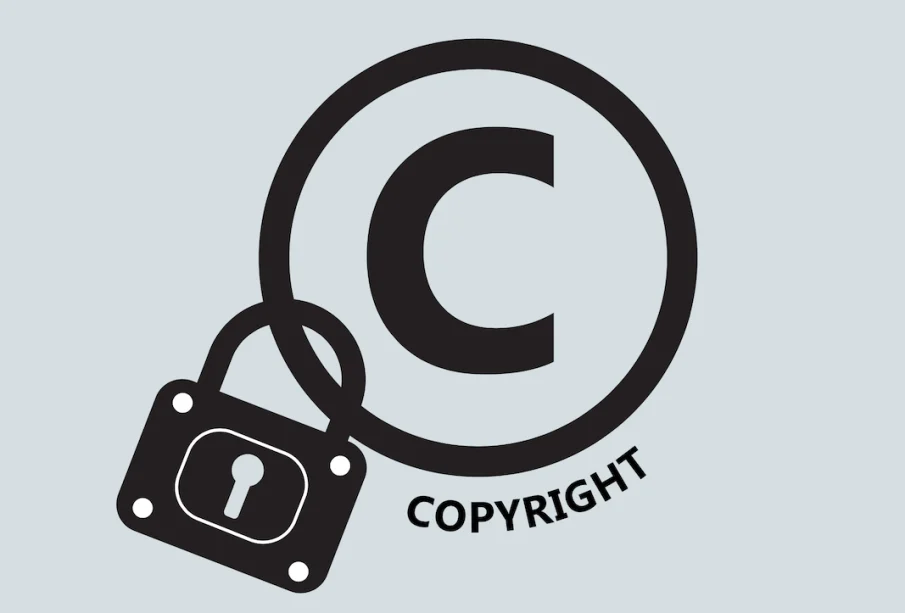
The debate around AI copyright has taken a new turn as the UK government retreats from its earlier proposal following strong reactions from leading artists and industry groups. The initial plan would have allowed artificial intelligence companies to train their systems using copyrighted material unless creators opted out. Musicians, publishers, and cultural stakeholders criticized the proposal widely.
High-profile figures such as Dua Lipa and Elton John publicly opposed the plan. They raised concerns about the potential misuse of creative works. Critics argued that the approach unfairly forced artists to protect their content instead of requiring companies to seek permission first.
Technology Secretary Liz Kendall confirmed that the government had reconsidered its stance. Speaking on Wednesday, she stated that officials had listened to feedback from both the creative and technology sectors.
They would no longer pursue the earlier model. However, she also acknowledged that no clear alternative currently exists, leaving the future of AI copyright regulation uncertain.
Balancing Innovation and Creative Rights
The government now faces the challenge of balancing innovation in artificial intelligence with protecting intellectual property. AI developers rely on large datasets that often include text, music, and visual content to train their models. At the same time, creators insist on controlling how their work is used and receiving fair compensation.
A newly released report notes that no agreement exists on how to achieve these goals. The UK’s cultural sector remains a globally significant asset, while the AI industry grows rapidly and contributes to economic expansion. This contrast complicates policy decisions.
Industry leaders responded with mixed reactions. UK Music welcomed the development, with its chief executive Tom Kiehl describing it as a win for campaigners who pushed for stronger protections. Similarly, Mandy Hill of Cambridge University Press and the Publishers Association emphasized that existing laws already require permission before using copyrighted materials.
However, concerns remain that the government might still favor technology companies in future changes. Hill stressed that clarity is essential to prevent confusion and protect content creators’ rights.
From the technology sector, TechUK urged policymakers to act quickly. Deputy chief executive Anthony Walker highlighted the need for clear regulations to keep the UK competitive in global AI development. He warned that delays could hinder innovation, especially as other countries advance with defined frameworks.
The issue of AI copyright has developed over time. In previous discussions on the Data Use and Access Bill, artists and lawmakers proposed measures requiring companies to disclose when copyrighted materials trained AI systems. Although lawmakers did not adopt these proposals, the concerns continue to shape the conversation.
Creative industry representatives continue to advocate for stronger safeguards. Dr Jo Twist of the BPI expressed cautious optimism. She noted that collaboration between AI developers and artists could succeed if proper licensing systems are implemented. She stressed that innovation should not come at the expense of creativity.
At the same time, startup advocates such as Vinous Ali from the Startup Coalition expressed frustration over the lack of a clear path forward. They argued that smaller AI companies may struggle to compete internationally without practical solutions.
As discussions continue, the government has indicated it will not introduce changes until it ensures that new rules support both economic growth and public interest. For now, the future of AI copyright in the UK remains unresolved.

Leave a reply


 It seems that Mr. Bridgerton is not the only one swept up in a romance#bridgerton #bridgertonseason400:23
 Mr and Mrs Bridgerton #bridgerton #penelope #theprimemag00:07
 That classic sibling energy where "I’m sorry" actually means "I’m going to do it again #zendaya00:19
 The groom is here #robertpattinson #thedrama #edwardcullen #moviepremiere #funnymoment00:36
 #rihanna and #asaprocky looking great in #paris #theprimemag00:20
 #ElizabethOlsen and #AnthonyMackie on the red carpet00:09
 #SelenaGomez stepped out for the Rare Beauty Matte Foundation launch on Thursday00:17
 #cardib performance yesterday in #vegas #Valentines2026 #lustremagazine00:11
 #CardiB #WholesomeChaos #ProtectTheCrow #FunnyMoment #CelebrityMoments00:07
 They never told you about this Golden Globes gaffe with #JenniferLopez and #JeremyRenner00:11
 #bridgerton #netflix #trending #viral #misspossy #bridgertonseason401:17
 He definitely got it🤩🔥#onechallenge #thewoahchallenge #tiktok #dancetrends #hiphop #dancers00:18
 Oh No! 😂 #funny #relatable #trending #memes00:08
 #LeBron has made a major impact off the court his commitment to education and his community01:01
 😂😂 #memes #baby #fun #funny #trending00:08
 The only time #Shaq really went one-on-one with #LeBron #shaquilleoneal #lebronjames00:29
 Shaq did this on live tv… 😂 #shaq #insidethenba #charlesbarkley #shaquilleoneal #nba00:17
 You just know Kendrick’s heart dropped before he laughed 😭 #shaq #ShaquilleO’Neal00:10
 #nickiminaj or #cardib . That’s a tough one for #50cent 😂00:13
 #sofiavergara in #ModernFamily: #Sofía #Sitcom #FamilyComedy #funny #TVSeries01:00
 #SofíaVergara when asked about arrest on #TheEllenDeGeneresShow 😂00:20
 #Steve Harvey and #shaq on an episode of Family Feud #funny #theprimemag00:57
 #CillianMurphy fake laugh became the focus of the conversation on Jimmy Kimmel Live #theprimemag00:15
 Moment #KatyPerry surprised Benjamin Glaze with a kiss during his American Idol 2018 audition00:37
 #SelenaGomez and music producer #BennyBlanco00:13


The Prime is a dynamic publication delivering the latest in entertainment, lifestyle, culture, sports and world news, bringing sharp insight, fresh perspectives and stories that matter to a global audience.
