
US Router Ban Raises Concerns Over Security and Supply Chains
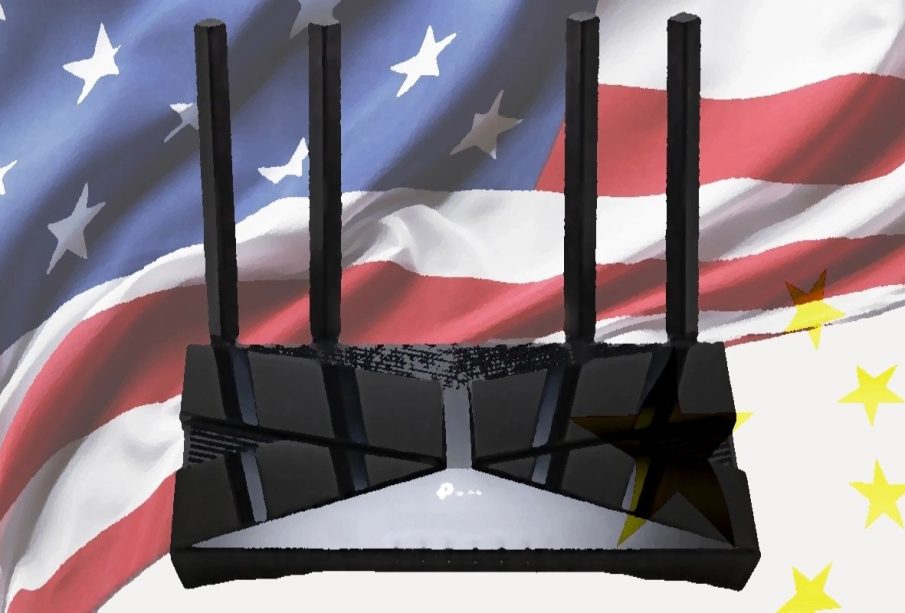
The United States has introduced a new router ban that targets foreign made consumer internet devices. Authorities based the move on rising national security concerns. The Federal Communications Commission announced the decision and placed restrictions on new router models produced outside the country. This action marks a clear shift in how regulators approach digital infrastructure.
The ban affects devices used in homes and businesses to connect phones, computers, and smart systems to the internet. These routers play a central role in daily connectivity. Existing devices will remain in use for now. However, regulators now require new foreign-made models to pass a strict approval process before entering the US market. This rule introduces tighter control over imported technology.
Security Risks Behind the Decision
According to the FCC, growing fears around cyber threats drove the policy. Officials believe foreign-manufactured routers create easy entry points for attackers. Hackers often exploit weaknesses in these devices to access networks, disrupt services, and carry out espionage. These risks continue to raise serious concerns among security agencies.
The concerns go beyond theory. US officials linked several cyber incidents between 2024 and 2025 to compromised routers. These attacks included operations known as Volt, Flax, and Salt Typhoon. Reports show that these campaigns targeted critical infrastructure systems. Investigations also suggested links between the attackers and the Chinese government. These findings increased pressure on regulators to act quickly.
In addition, the decision follows earlier action against foreign made drones. Authorities already tightened rules in that sector due to similar risks. By adding routers to this category, regulators highlight the importance of securing everyday digital tools. This step shows a broader strategy to reduce exposure to foreign controlled technology.
New Rules for Manufacturers
Under the updated policy, companies that produce routers outside the US must apply for special approval before selling their products. Regulators now require manufacturers to disclose details about foreign ownership or influence. Companies must also present clear plans to move production closer to the United States. These conditions aim to improve transparency and control.
However, some agencies may grant limited exceptions. Bodies such as the Department of Defense and the Department of Homeland Security can clear certain devices for use. Even so, no specific models have received approval under these exemptions so far. This leaves most foreign manufacturers facing uncertainty.
Meanwhile, the policy could reshape the global supply chain. Most routers are currently produced in regions such as Taiwan and China. As a result, many companies will need to adjust their operations. Even US based brands may feel the impact. For instance, Netgear manufactures its products overseas and must now comply with the new rules. This requirement could increase costs and delay product releases.
On the other hand, one company already fits the new direction. SpaceX produces its Starlink WiFi routers in Texas. This gives it an advantage under the policy. The company may expand its position as demand shifts toward locally produced devices.
Overall, the router ban reflects a growing awareness of how deeply internet connected devices shape daily life and national systems. Governments now recognize the risks tied to these tools. As a result, they continue to strengthen digital security policies. In the future, other countries may adopt similar measures. This trend could reshape how technology is produced, regulated, and distributed worldwide.

Leave a reply


 It seems that Mr. Bridgerton is not the only one swept up in a romance#bridgerton #bridgertonseason400:23
 Mr and Mrs Bridgerton #bridgerton #penelope #theprimemag00:07
 That classic sibling energy where "I’m sorry" actually means "I’m going to do it again #zendaya00:19
 The groom is here #robertpattinson #thedrama #edwardcullen #moviepremiere #funnymoment00:36
 #rihanna and #asaprocky looking great in #paris #theprimemag00:20
 #ElizabethOlsen and #AnthonyMackie on the red carpet00:09
 #SelenaGomez stepped out for the Rare Beauty Matte Foundation launch on Thursday00:17
 #cardib performance yesterday in #vegas #Valentines2026 #lustremagazine00:11
 #CardiB #WholesomeChaos #ProtectTheCrow #FunnyMoment #CelebrityMoments00:07
 They never told you about this Golden Globes gaffe with #JenniferLopez and #JeremyRenner00:11
 #bridgerton #netflix #trending #viral #misspossy #bridgertonseason401:17
 He definitely got it🤩🔥#onechallenge #thewoahchallenge #tiktok #dancetrends #hiphop #dancers00:18
 Oh No! 😂 #funny #relatable #trending #memes00:08
 #LeBron has made a major impact off the court his commitment to education and his community01:01
 😂😂 #memes #baby #fun #funny #trending00:08
 The only time #Shaq really went one-on-one with #LeBron #shaquilleoneal #lebronjames00:29
 Shaq did this on live tv… 😂 #shaq #insidethenba #charlesbarkley #shaquilleoneal #nba00:17
 You just know Kendrick’s heart dropped before he laughed 😭 #shaq #ShaquilleO’Neal00:10
 #nickiminaj or #cardib . That’s a tough one for #50cent 😂00:13
 #sofiavergara in #ModernFamily: #Sofía #Sitcom #FamilyComedy #funny #TVSeries01:00
 #SofíaVergara when asked about arrest on #TheEllenDeGeneresShow 😂00:20
 #Steve Harvey and #shaq on an episode of Family Feud #funny #theprimemag00:57
 #CillianMurphy fake laugh became the focus of the conversation on Jimmy Kimmel Live #theprimemag00:15
 Moment #KatyPerry surprised Benjamin Glaze with a kiss during his American Idol 2018 audition00:37
 #SelenaGomez and music producer #BennyBlanco00:13


The Prime is a dynamic publication delivering the latest in entertainment, lifestyle, culture, sports and world news, bringing sharp insight, fresh perspectives and stories that matter to a global audience.
