
Why Eating Fibre is Good for Your Brain
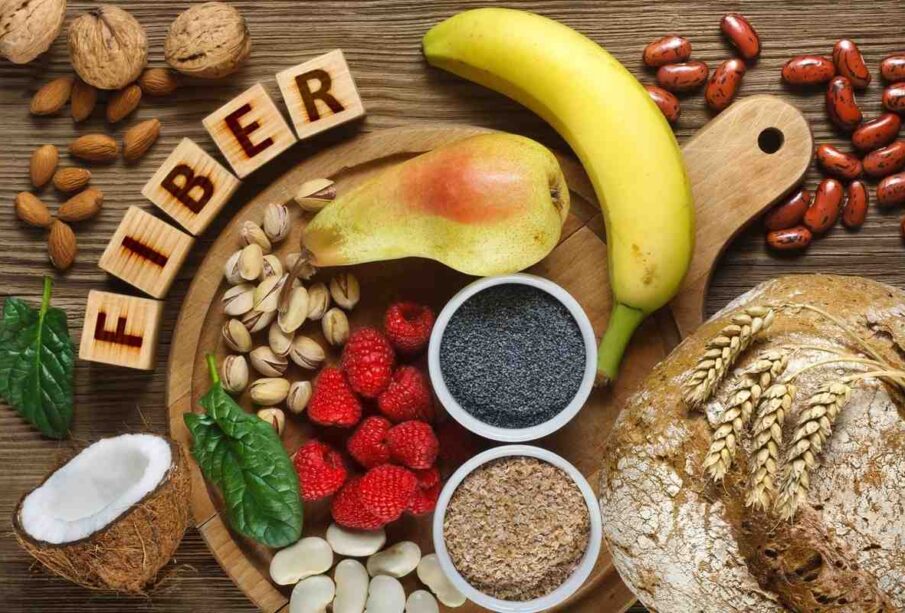
When people think about brain health, they often focus on sleep, stress, or mental exercises. But Why Eating Fibre is Good for Your Brain is a topic that deserves just as much attention. Fibre does more than support digestion.
It plays a direct role in how your brain feels, thinks, and functions every day. From improving your mood to supporting memory and focus, fibre quietly powers many processes that keep your mind sharp. This guide breaks it down in very simple terms so you can understand how something as basic as what you eat can shape how well your brain works.
The Link Between Your Gut and Your Brain
Your gut and brain are always in communication. This connection is often called the gut brain link. What happens in your digestive system can affect how you feel mentally.
Inside your gut live trillions of tiny organisms known as gut bacteria. These bacteria help break down the food you eat, especially fibre. When fibre is digested, it feeds these good bacteria and helps them grow.
When your gut bacteria are healthy, they produce helpful substances. These include short chain fatty acids, which reduce inflammation and support brain function. They also help produce chemicals like serotonin, which is often called the feel good hormone.
How Fibre Supports This Connection
Fibre acts as food for your gut bacteria. Without enough fibre, these bacteria become weak or unbalanced. This can lead to problems such as poor mood, low energy, and difficulty concentrating.
Eating fibre rich foods like fruits, vegetables, beans, and whole grains helps maintain a healthy gut environment. This directly supports better communication between your gut and brain.
Mood and Emotional Balance
A healthy gut can improve how you feel emotionally. When fibre feeds good bacteria, it helps your body produce more serotonin. This can lead to a more stable mood and reduced feelings of stress or anxiety. This is one clear reason why eating fibre is good for your brain. It helps you feel calmer and more in control of your emotions.
Read How Ultra-Processed Foods Affect Our Gut Microbiome
How Fibre Improves Memory and Focus
Your brain needs a steady supply of energy to work well. Fibre helps regulate how your body releases energy from food. When you eat foods high in fibre, your body digests them slowly. This leads to a steady release of glucose into your bloodstream. Glucose is the main fuel your brain uses.
Stable Energy for Better Thinking
When your blood sugar rises too quickly and then drops, you may feel tired, distracted, or irritable. Fibre helps prevent these sudden changes. With stable blood sugar levels, your brain can stay focused for longer periods. You are more likely to think clearly, remember information, and stay productive throughout the day.
Protection Against Brain Fog
Brain fog is a common issue that makes it hard to concentrate. It often comes from poor diet, stress, or unstable blood sugar. Fibre helps reduce this by keeping your energy levels balanced. It also supports gut health, which plays a role in mental clarity.
Eating enough fibre over time may help protect your brain as you age. Studies suggest that a healthy gut can reduce inflammation, which is linked to memory loss and cognitive decline. This adds another strong point to why eating fibre is good for your brain. It is not just about today. It is also about protecting your future mental health.
Fibre and Brain Protection Over Time
Your brain is sensitive to inflammation and damage caused by poor diet. Fibre helps reduce these risks in several ways. Inflammation in the body can affect the brain. It has been linked to conditions like depression and memory problems. Fibre supports the production of anti inflammatory compounds in the gut. These compounds travel through the body and help protect brain cells.
Supporting Blood Flow to the Brain
Good blood flow is important for brain function. It ensures that your brain receives enough oxygen and nutrients. Fibre can help improve heart health by lowering cholesterol levels. A healthy heart supports better blood circulation, including to the brain.
Lower Risk of Cognitive Decline
Over time, poor diet can increase the risk of diseases that affect the brain. Eating fibre rich foods may lower this risk by supporting overall health. This is another clear reason why eating fibre is good for your brain. It acts as a simple and natural way to support long term brain health.
Read The Top Healthy Eating Trends of 2026
Simple Ways to Add More Fibre to Your Diet
Adding fibre to your meals does not have to be complicated. Small changes can make a big difference over time. Start your day with foods like oats or whole grain bread instead of refined options. You can also add fruits such as apples, bananas, or berries to your breakfast. These are not only rich in fibre but also easy to prepare.
For lunch and dinner, include vegetables like carrots, spinach, broccoli, or cabbage. Try to fill at least half of your plate with vegetables. Beans, lentils, and nuts are also excellent sources of fibre. You can add them to soups, stews, rice dishes, or even salads. If you enjoy snacks, choose fibre-rich options like roasted groundnuts, popcorn, or fresh fruit instead of processed foods.
You can also switch to whole grain versions of foods you already eat. For example, choose brown rice instead of white rice, and whole wheat pasta instead of regular pasta. These simple swaps increase your fibre intake without changing your meals too much.
Keep It Consistent
The key is to eat fibre regularly, not just once in a while. Your gut bacteria need a steady supply to stay healthy and function properly. When you suddenly eat a lot of fibre at once, it may cause discomfort. It is better to increase your intake gradually so your body can adjust.
Drinking enough water is also important. Fibre works best when your body is properly hydrated. Water helps fibre move smoothly through your digestive system and prevents issues like bloating or constipation.
Make It Enjoyable
Choose foods you enjoy so it feels natural and not forced. Healthy eating should feel simple and satisfying, not stressful. You can try new recipes or mix different foods to keep your meals interesting.
Adding fibre to your diet is not about strict rules. It is about building habits that support your health every day. When you enjoy what you eat, it becomes easier to stay consistent and make better choices over time.
Build a Balanced Routine
It helps to spread your fibre intake throughout the day. Instead of eating all your fibre in one meal, include a little in breakfast, lunch, dinner, and snacks. This keeps your energy levels stable and supports digestion.
You can also plan your meals ahead of time. Having fibre-rich foods available makes it easier to stick to healthy habits. Over time, these small changes become part of your daily routine and lead to long-term benefits for your body and mind.
A Smarter Way to Care for Your Mind
Understanding why eating fibre is good for your brain can change how you see your daily meals. It is not just about feeling full or staying fit. It is about giving your brain the support it needs to perform at its best.
Fibre improves mood, supports focus, protects memory, and helps your brain stay strong over time. It works quietly but effectively, making it one of the most important nutrients for mental health. Small choices, like adding more fruits, vegetables, and whole grains to your plate, can lead to noticeable changes in how you feel and think.
Save this guide for later or share it with a friend who wants to feel sharper, calmer, and more in control every day.




Leave a reply


 It seems that Mr. Bridgerton is not the only one swept up in a romance#bridgerton #bridgertonseason400:23
 Mr and Mrs Bridgerton #bridgerton #penelope #theprimemag00:07
 That classic sibling energy where "I’m sorry" actually means "I’m going to do it again #zendaya00:19
 The groom is here #robertpattinson #thedrama #edwardcullen #moviepremiere #funnymoment00:36
 #rihanna and #asaprocky looking great in #paris #theprimemag00:20
 #ElizabethOlsen and #AnthonyMackie on the red carpet00:09
 #SelenaGomez stepped out for the Rare Beauty Matte Foundation launch on Thursday00:17
 #cardib performance yesterday in #vegas #Valentines2026 #lustremagazine00:11
 #CardiB #WholesomeChaos #ProtectTheCrow #FunnyMoment #CelebrityMoments00:07
 They never told you about this Golden Globes gaffe with #JenniferLopez and #JeremyRenner00:11
 #bridgerton #netflix #trending #viral #misspossy #bridgertonseason401:17
 He definitely got it🤩🔥#onechallenge #thewoahchallenge #tiktok #dancetrends #hiphop #dancers00:18
 Oh No! 😂 #funny #relatable #trending #memes00:08
 #LeBron has made a major impact off the court his commitment to education and his community01:01
 😂😂 #memes #baby #fun #funny #trending00:08
 The only time #Shaq really went one-on-one with #LeBron #shaquilleoneal #lebronjames00:29
 Shaq did this on live tv… 😂 #shaq #insidethenba #charlesbarkley #shaquilleoneal #nba00:17
 You just know Kendrick’s heart dropped before he laughed 😭 #shaq #ShaquilleO’Neal00:10
 #nickiminaj or #cardib . That’s a tough one for #50cent 😂00:13
 #sofiavergara in #ModernFamily: #Sofía #Sitcom #FamilyComedy #funny #TVSeries01:00
 #SofíaVergara when asked about arrest on #TheEllenDeGeneresShow 😂00:20
 #Steve Harvey and #shaq on an episode of Family Feud #funny #theprimemag00:57
 #CillianMurphy fake laugh became the focus of the conversation on Jimmy Kimmel Live #theprimemag00:15
 Moment #KatyPerry surprised Benjamin Glaze with a kiss during his American Idol 2018 audition00:37
 #SelenaGomez and music producer #BennyBlanco00:13


The Prime is a dynamic publication delivering the latest in entertainment, lifestyle, culture, sports and world news, bringing sharp insight, fresh perspectives and stories that matter to a global audience.
