
Why Weight Loss Drugs Are Not a Quick Fix
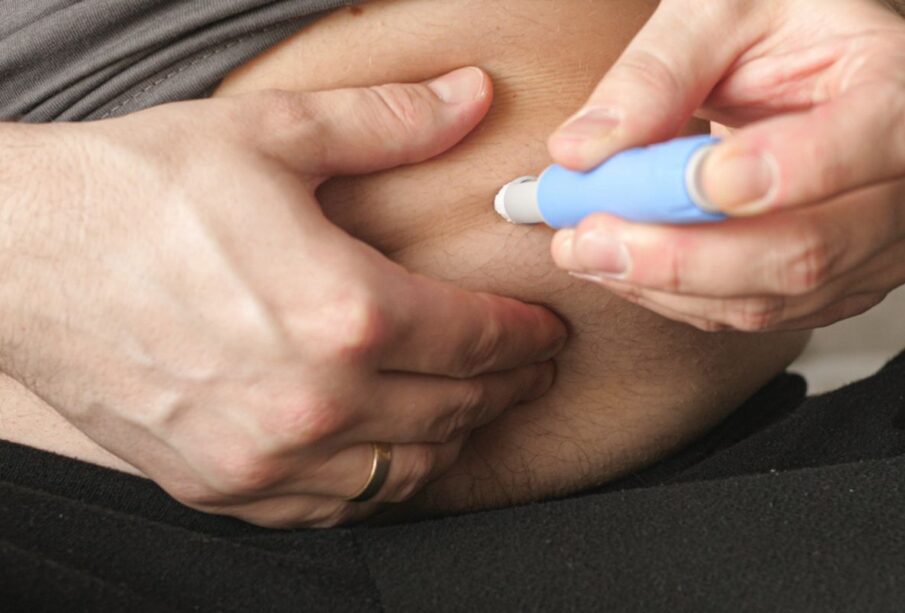
Weight loss today is often linked to fast results, and weight-loss drugs are at the center of that conversation. Many people see these medications as a simple answer to a complex problem, but the truth is more layered.
While weight-loss drugs can support fat loss, they do not replace the need for long term lifestyle habits. If the goal is to lose weight and keep it off, it is important to understand what these drugs can and cannot do. The promise of quick change can be tempting, but lasting results require more than medication alone.
Understanding How Weight Loss Drugs Work
Modern weight-loss drugs are designed to help the body manage hunger, fullness, and blood sugar levels. Some of the most talked about options today belong to a group called GLP one receptor agonists. These include medications like Ozempic and Wegovy.
These drugs work by copying a natural hormone in the body that controls appetite. They slow down how fast food leaves the stomach, help you feel full for longer, and reduce cravings. For many people, this leads to eating less without feeling like they are forcing it.
This sounds simple, but the process is not magic. The body is still very active behind the scenes. Your metabolism, hormones, and brain signals all play a role in how much weight you lose. The medication only supports one part of that system.
The Role of the Brain and Appetite
The brain is a major driver of hunger. These medications act on areas in the brain that control appetite and reward. That is why some people notice they are less interested in food or even forget to eat.
However, the brain also adapts. Over time, the body may try to protect itself by increasing hunger signals again. This is one reason results can slow down after the first few months.
Medical Use and Supervision
Doctors usually prescribe these drugs for people with conditions like Obesity or for those who have weight related health issues such as type 2 diabetes. They are not meant for casual use or short term goals like fitting into an outfit for an event. Medical guidance is key because the dosage, side effects, and progress must be monitored closely.
The Limits of Medication Alone
It is easy to believe that taking a drug will do all the work. In reality, weight-loss drugs have limits. They support weight loss, but they do not build healthy habits.
If someone continues to eat high calorie foods, skip movement, or sleep poorly, the results will be smaller and harder to maintain. The medication cannot fully cancel out these factors.
Weight Regain After Stopping
One of the biggest concerns is what happens after stopping the medication. Many people regain weight when they stop using it. This is not because they failed. It is because the body returns to its usual signals. Hunger increases, fullness decreases, and old eating patterns can return. Without strong habits in place, the lost weight often comes back.
Side Effects and Physical Response
These medications can come with side effects. Common ones include nausea, vomiting, and stomach discomfort. Some people also feel tired or notice changes in digestion.
For most, these effects improve with time. But for others, they can make daily life uncomfortable. This is another reason medication should not be seen as a simple or easy path.
Not Everyone Responds the Same Way
Each body reacts differently. Some people lose a significant amount of weight, while others see only small changes. Genetics, lifestyle, and overall health all influence the outcome. This means there is no guarantee of success, even with consistent use.
Read More: Can Walking Help You Lose Weight? A Complete, Simple Guide
The Importance of Lifestyle for Lasting Results
Long term weight management depends on daily habits. Medication can support these habits, but it cannot replace them. True progress comes from consistent lifestyle choices that support overall health, not just short term results. Without this foundation, any weight lost through medication alone may be difficult to maintain over time.
Building a Balanced Way of Eating
A steady approach to food is key. This includes eating enough protein, adding fruits and vegetables, and choosing whole foods more often. These choices help the body feel full and satisfied while also providing essential nutrients.
When people rely only on medication, they may ignore these basics. That can lead to poor nutrition, low energy, and even muscle loss. Over time, this can affect overall health and make it harder to maintain results. Developing a healthy relationship with food is just as important as the food itself.
Movement as a Daily Practice
Exercise is not only about burning calories. It supports muscle health, improves mood, and helps maintain weight loss. It also boosts metabolism and strengthens the body.
Simple activities like walking, stretching, or light strength training can make a big difference over time. These small actions build consistency and create a routine that feels manageable. The goal is not perfection, but regular movement that becomes part of daily life.
Sleep and Stress Management
Sleep and stress are often overlooked, yet they play a major role in weight management. Poor sleep can increase hunger hormones and cravings, making it harder to make healthy choices.
High stress levels can lead to emotional eating and unhealthy habits. Without addressing these areas, weight loss becomes harder to maintain. Medication does not fix these deeper patterns, which is why they must be managed alongside any treatment plan.
Creating Habits That Last
Sustainable change comes from routines that fit into daily life. Small, steady actions are more powerful than extreme efforts that cannot be maintained. Building habits gradually allows them to become natural and long lasting.
This is where many people struggle. They expect the drug to do everything, but lasting results require active participation. Consistency, patience, and self awareness are essential for maintaining progress and achieving true, lasting change.
A Smarter and More Balanced Approach
A modern approach to weight loss is not about quick fixes. It is about combining tools in a thoughtful way. Weight-loss drugs can be part of that plan, but they are only one piece of the puzzle.
Using Medication as Support, Not a Shortcut
When used correctly, medication can help reduce hunger and make it easier to follow a healthy routine. It can create a window of opportunity to build better habits. The key is to use that time wisely. Focus on learning how to eat well, stay active, and manage daily stress. Over time, these habits become part of your lifestyle, making it easier to maintain results even without relying heavily on medication.
Working With Professionals
Support from healthcare providers, nutrition experts, or fitness coaches can make a big difference. They help guide decisions, adjust plans, and provide accountability. This kind of support increases the chances of long term success. It also ensures that any medication is used safely and effectively, reducing the risk of misuse or unwanted side effects.
Setting Realistic Expectations
Weight loss takes time. Quick changes are often not sustainable. A steady pace is more likely to lead to lasting results. Understanding this helps reduce frustration and keeps motivation strong. It also helps you focus on progress rather than perfection, which is key for staying consistent over time.
Confidence Comes From Consistency
In the end, weight-loss drugs are tools, not solutions. They can help, but they do not replace the work needed for lasting change. A balanced approach that includes healthy eating, movement, and self care is what truly supports long term success.
Sustainable results come from consistency, not quick fixes. Building healthy habits, understanding your body, and making mindful choices every day are what lead to real progress. Weight-loss drugs may offer support along the journey, but lasting transformation always depends on lifestyle, discipline, and patience.
If you found this helpful, save it for later or share it with someone who needs a clear and honest guide.




Leave a reply


 It seems that Mr. Bridgerton is not the only one swept up in a romance#bridgerton #bridgertonseason400:23
 Mr and Mrs Bridgerton #bridgerton #penelope #theprimemag00:07
 That classic sibling energy where "I’m sorry" actually means "I’m going to do it again #zendaya00:19
 The groom is here #robertpattinson #thedrama #edwardcullen #moviepremiere #funnymoment00:36
 #rihanna and #asaprocky looking great in #paris #theprimemag00:20
 #ElizabethOlsen and #AnthonyMackie on the red carpet00:09
 #SelenaGomez stepped out for the Rare Beauty Matte Foundation launch on Thursday00:17
 #cardib performance yesterday in #vegas #Valentines2026 #lustremagazine00:11
 #CardiB #WholesomeChaos #ProtectTheCrow #FunnyMoment #CelebrityMoments00:07
 They never told you about this Golden Globes gaffe with #JenniferLopez and #JeremyRenner00:11
 #bridgerton #netflix #trending #viral #misspossy #bridgertonseason401:17
 He definitely got it🤩🔥#onechallenge #thewoahchallenge #tiktok #dancetrends #hiphop #dancers00:18
 Oh No! 😂 #funny #relatable #trending #memes00:08
 #LeBron has made a major impact off the court his commitment to education and his community01:01
 😂😂 #memes #baby #fun #funny #trending00:08
 The only time #Shaq really went one-on-one with #LeBron #shaquilleoneal #lebronjames00:29
 Shaq did this on live tv… 😂 #shaq #insidethenba #charlesbarkley #shaquilleoneal #nba00:17
 You just know Kendrick’s heart dropped before he laughed 😭 #shaq #ShaquilleO’Neal00:10
 #nickiminaj or #cardib . That’s a tough one for #50cent 😂00:13
 #sofiavergara in #ModernFamily: #Sofía #Sitcom #FamilyComedy #funny #TVSeries01:00
 #SofíaVergara when asked about arrest on #TheEllenDeGeneresShow 😂00:20
 #Steve Harvey and #shaq on an episode of Family Feud #funny #theprimemag00:57
 #CillianMurphy fake laugh became the focus of the conversation on Jimmy Kimmel Live #theprimemag00:15
 Moment #KatyPerry surprised Benjamin Glaze with a kiss during his American Idol 2018 audition00:37
 #SelenaGomez and music producer #BennyBlanco00:13


The Prime is a dynamic publication delivering the latest in entertainment, lifestyle, culture, sports and world news, bringing sharp insight, fresh perspectives and stories that matter to a global audience.
