
World Cup Ticket Prices Rise as Final Seats Hit 10,990 Dollars
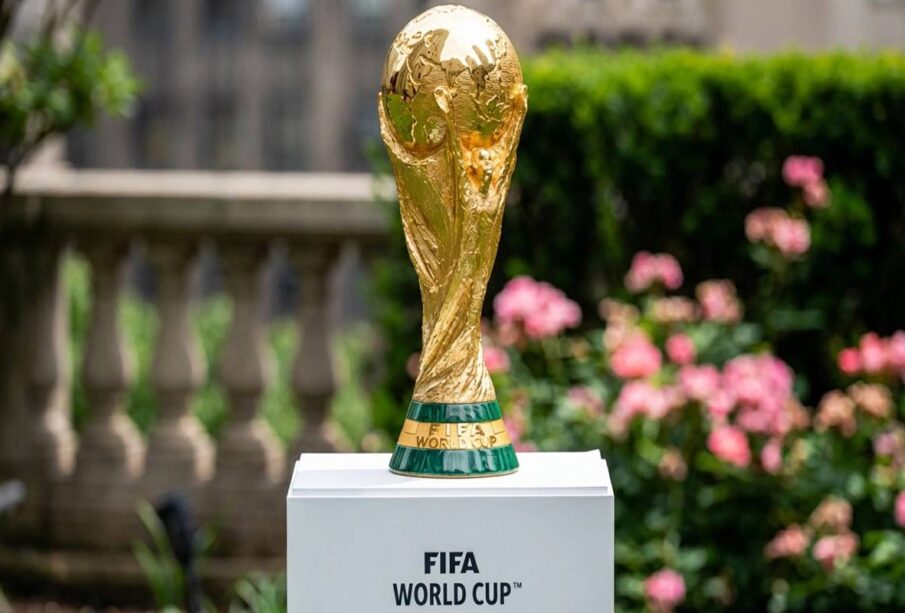
The release of World Cup tickets for the 2026 tournament has sparked strong reactions. The first open sale revealed how much fans may need to pay, with the most expensive final seat reaching 10,990 dollars. This phase gave a clearer view of how organisers price World Cup tickets. As a result, many fans have started questioning affordability and access across different countries.
The global tournament will take place across the United States, Canada, and Mexico. It is already shaping up to become one of the most expensive events in football history for in-person attendance. Earlier projections suggested lower costs. However, each sales phase has shown a steady rise in prices, especially for high-demand matches.
Rising costs and fan concerns
Initial expectations from the tournament bid placed the most expensive final ticket at around 1,550 dollars. By December, organisers had already listed premium seats at 8,680 dollars for selected buyers. The most recent open sale pushed that figure even higher. A top category ticket now costs 10,990 dollars.
This sharp increase places the 2026 final far above previous tournaments. For comparison, the final of the 2022 FIFA World Cup Final had top priced seats at just over 1,600 dollars. The gap highlights a clear shift in pricing strategy. Demand now plays a stronger role in determining ticket costs.
Fifa has not released a full breakdown of its pricing system. This lack of transparency makes it difficult for fans to understand how organisers allocate or price tickets. However, current trends suggest the use of flexible pricing. Costs adjust based on demand at different stages of the sale process.
Recent figures from the latest sale show clear increases across categories. Category two tickets for the final rose to 7,380 dollars. Category three tickets reached 5,785 dollars. These changes reflect increases of more than 30 percent compared to earlier offers. Consequently, many supporters have raised concerns about access.
Read More: DR Congo Ends 52 Year Wait With Historic World Cup Qualification
Long queues and technical setbacks
Beyond pricing, the buying process has also frustrated many fans. Large numbers of users who joined the online queue reported long waiting times and unexpected errors. In some cases, the system redirected users to the wrong section. This forced them to restart the entire process.
Some fans waited more than six hours before gaining access to the ticket page. Even after the wait, availability remained limited. Out of the 72 group stage matches, fewer than half showed tickets at the start of the sale. Matches involving top seeded teams proved especially difficult to secure.
Prices for available group stage games varied widely. Tickets started at around 140 dollars and rose to nearly 3,000 dollars for high profile fixtures. The opening match between Mexico national football team and South Africa national football team ranked among the most expensive. Only a small number of seats appeared at the highest price level.
Organisers also listed corporate packages during the sale. These packages offered premium experiences that included multiple tickets, food, and private suites. One package for a group stage match cost over 120,000 dollars for a full suite. This pricing highlights the growing gap between regular fans and high end buyers.
Resale market pushes prices higher
The reopening of the official resale platform has added more pressure to the situation. Sellers can set their own prices, which has led to extreme listings far above original costs. One final ticket appeared at more than 82,000 dollars. Meanwhile, the lowest resale price for the same match still reached tens of thousands.
Even lower tier tickets have seen sharp increases. A seat that originally sold for 60 dollars later appeared on the resale platform at nearly 1,500 dollars. This jump shows how quickly prices can rise when demand increases. Buyers and sellers also pay additional fees, which further raise the total cost.
Experts have pointed out that organisers could introduce stricter controls. Some regions allow authorities to cap resale prices. However, organisers have not widely applied such limits in this case. As a result, the resale market continues to drive prices higher.
Concerns about accessibility have also emerged. Reports suggest that organisers do not provide free companion tickets for disabled fans. In addition, some seating arrangements may not place companions close together. These issues create extra challenges for those who want to attend matches.
Overall, excitement for the tournament continues to grow. However, rising prices and difficult buying processes are shaping the fan experience early. As anticipation builds, conversations around World Cup tickets will likely continue.



Leave a reply


 It seems that Mr. Bridgerton is not the only one swept up in a romance#bridgerton #bridgertonseason400:23
 Mr and Mrs Bridgerton #bridgerton #penelope #theprimemag00:07
 That classic sibling energy where "I’m sorry" actually means "I’m going to do it again #zendaya00:19
 The groom is here #robertpattinson #thedrama #edwardcullen #moviepremiere #funnymoment00:36
 #rihanna and #asaprocky looking great in #paris #theprimemag00:20
 #ElizabethOlsen and #AnthonyMackie on the red carpet00:09
 #SelenaGomez stepped out for the Rare Beauty Matte Foundation launch on Thursday00:17
 #cardib performance yesterday in #vegas #Valentines2026 #lustremagazine00:11
 #CardiB #WholesomeChaos #ProtectTheCrow #FunnyMoment #CelebrityMoments00:07
 They never told you about this Golden Globes gaffe with #JenniferLopez and #JeremyRenner00:11
 #bridgerton #netflix #trending #viral #misspossy #bridgertonseason401:17
 He definitely got it🤩🔥#onechallenge #thewoahchallenge #tiktok #dancetrends #hiphop #dancers00:18
 Oh No! 😂 #funny #relatable #trending #memes00:08
 #LeBron has made a major impact off the court his commitment to education and his community01:01
 😂😂 #memes #baby #fun #funny #trending00:08
 The only time #Shaq really went one-on-one with #LeBron #shaquilleoneal #lebronjames00:29
 Shaq did this on live tv… 😂 #shaq #insidethenba #charlesbarkley #shaquilleoneal #nba00:17
 You just know Kendrick’s heart dropped before he laughed 😭 #shaq #ShaquilleO’Neal00:10
 #nickiminaj or #cardib . That’s a tough one for #50cent 😂00:13
 #sofiavergara in #ModernFamily: #Sofía #Sitcom #FamilyComedy #funny #TVSeries01:00
 #SofíaVergara when asked about arrest on #TheEllenDeGeneresShow 😂00:20
 #Steve Harvey and #shaq on an episode of Family Feud #funny #theprimemag00:57
 #CillianMurphy fake laugh became the focus of the conversation on Jimmy Kimmel Live #theprimemag00:15
 Moment #KatyPerry surprised Benjamin Glaze with a kiss during his American Idol 2018 audition00:37
 #SelenaGomez and music producer #BennyBlanco00:13


The Prime is a dynamic publication delivering the latest in entertainment, lifestyle, culture, sports and world news, bringing sharp insight, fresh perspectives and stories that matter to a global audience.
