
Writer Loses Appeal Over Netflix Payments for Extraordinary Attorney Woo
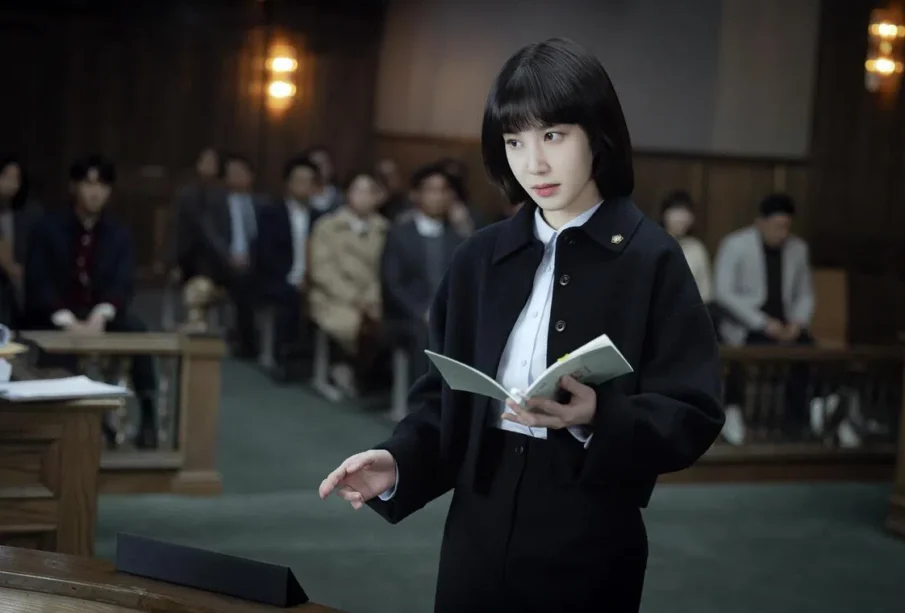
The writer behind the hit South Korean series Extraordinary Attorney Woo has lost an appeal in a legal battle over extra payments tied to the show’s release on Netflix. The case focuses on how older entertainment contracts are applied to streaming platforms.
The popular legal drama, released in 2022 and starring Park Eun-bin as lawyer Woo Young-woo, drew attention after Netflix made it available to viewers worldwide. The writer later argued that the original contract did not cover streaming distribution. This led to a legal challenge over what they called secondary usage fees.
The dispute began when the writer sued production company Astory. The claim relied on a 2019 scriptwriting contract, which the writer said was meant mainly for traditional television broadcasts. When Netflix distributed the series in 2021, the writer argued that this counted as a separate use of the work. Therefore, they claimed it required additional compensation.
Court Upholds Earlier Decision
The Seoul Western District Court dismissed the writer’s claims in 2025. The court said the contract did not limit distribution to one platform. It noted that by 2019, streaming services were already widely seen as part of normal content distribution. The court decided that the agreement could reasonably include both TV and online platforms.
After the initial ruling, the writer filed an appeal. They wanted to overturn the judgment and secure extra payment as well as damages for delayed compensation.
However, on April 1, the appellate court upheld the earlier decision. The court confirmed that mentions of “broadcasting” in the contract did not exclude streaming services like Netflix.
The court also cited circumstances that weakened the writer’s case. These included the lack of objections when the Netflix deal was first arranged.
The court noted earlier talks about possibly developing the series as a Netflix original. Later contract negotiations also did not challenge the broader distribution terms. These factors suggested that both parties understood the agreement to cover more than traditional television.
Read More on Italian Court Orders Netflix Refunds After Unjustified Price Increases
Implications for the Industry
Observers say the case reflects a wider problem in the entertainment industry. Many contracts signed before the rapid growth of streaming services did not clearly state how digital distribution should be handled. Disputes like this continue as creators and production companies interpret old agreements differently.
For writers and producers, the case shows the importance of clearly defining rights and payments in contracts. Content now moves across multiple platforms. Contracts that fail to address digital distribution can lead to disagreements.
The appeal ruling may provide guidance for future cases. Courts could use this decision when resolving similar disputes about streaming rights. The judgment also signals that contracts signed before streaming became common may cover multiple distribution channels.
While the writer may have hoped for additional compensation, the ruling clarifies the interpretation of older agreements. It reinforces the idea that contracts referencing broadcasting may automatically include online platforms.
Ultimately, the case serves as a reminder to entertainment professionals. Clear language in agreements is essential. Writers should ensure contracts address streaming, international releases, and secondary use. Production companies should also confirm that agreements cover all intended distribution channels.
This ruling brings closure to this dispute but will likely shape how similar cases are handled. The decision highlights the ongoing challenges of adapting traditional contracts to modern media.


Leave a reply


 It seems that Mr. Bridgerton is not the only one swept up in a romance#bridgerton #bridgertonseason400:23
 Mr and Mrs Bridgerton #bridgerton #penelope #theprimemag00:07
 That classic sibling energy where "I’m sorry" actually means "I’m going to do it again #zendaya00:19
 The groom is here #robertpattinson #thedrama #edwardcullen #moviepremiere #funnymoment00:36
 #rihanna and #asaprocky looking great in #paris #theprimemag00:20
 #ElizabethOlsen and #AnthonyMackie on the red carpet00:09
 #SelenaGomez stepped out for the Rare Beauty Matte Foundation launch on Thursday00:17
 #cardib performance yesterday in #vegas #Valentines2026 #lustremagazine00:11
 #CardiB #WholesomeChaos #ProtectTheCrow #FunnyMoment #CelebrityMoments00:07
 They never told you about this Golden Globes gaffe with #JenniferLopez and #JeremyRenner00:11
 #bridgerton #netflix #trending #viral #misspossy #bridgertonseason401:17
 He definitely got it🤩🔥#onechallenge #thewoahchallenge #tiktok #dancetrends #hiphop #dancers00:18
 Oh No! 😂 #funny #relatable #trending #memes00:08
 #LeBron has made a major impact off the court his commitment to education and his community01:01
 😂😂 #memes #baby #fun #funny #trending00:08
 The only time #Shaq really went one-on-one with #LeBron #shaquilleoneal #lebronjames00:29
 Shaq did this on live tv… 😂 #shaq #insidethenba #charlesbarkley #shaquilleoneal #nba00:17
 You just know Kendrick’s heart dropped before he laughed 😭 #shaq #ShaquilleO’Neal00:10
 #nickiminaj or #cardib . That’s a tough one for #50cent 😂00:13
 #sofiavergara in #ModernFamily: #Sofía #Sitcom #FamilyComedy #funny #TVSeries01:00
 #SofíaVergara when asked about arrest on #TheEllenDeGeneresShow 😂00:20
 #Steve Harvey and #shaq on an episode of Family Feud #funny #theprimemag00:57
 #CillianMurphy fake laugh became the focus of the conversation on Jimmy Kimmel Live #theprimemag00:15
 Moment #KatyPerry surprised Benjamin Glaze with a kiss during his American Idol 2018 audition00:37
 #SelenaGomez and music producer #BennyBlanco00:13


The Prime is a dynamic publication delivering the latest in entertainment, lifestyle, culture, sports and world news, bringing sharp insight, fresh perspectives and stories that matter to a global audience.


