Hollywood Figures Rally Against Paramount and Warner Bros Deal
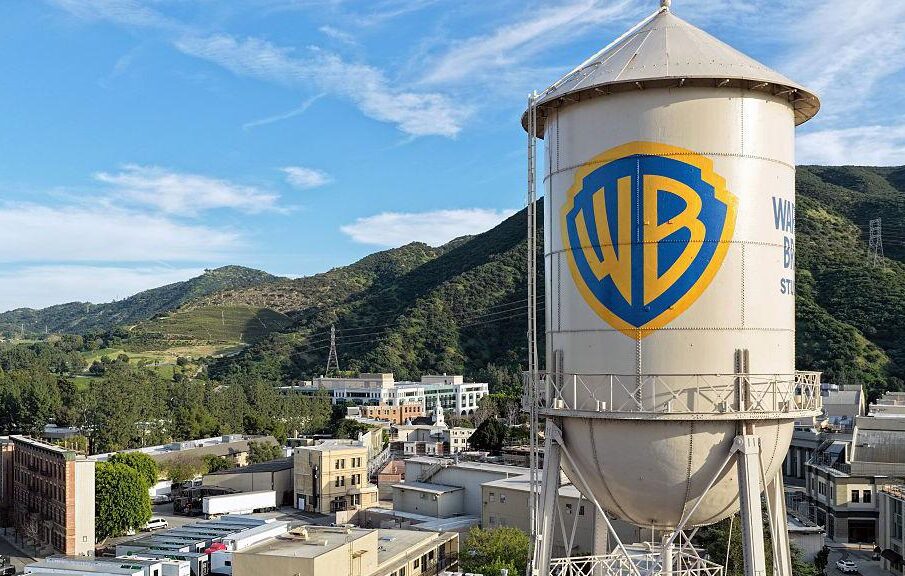
More than 1,400 actors, directors, and filmmakers have joined forces to challenge a major studio agreement. Their opposition continues to grow across the entertainment industry. The group includes well known names such as Emma Thompson, Ben Stiller, Javier Bardem, and Rose Byrne. Together, they signed an open letter. In it, they raised concerns about the proposed merger between Paramount and Warner Bros Discovery.
The letter makes a clear argument. It says the deal could worsen conditions in an industry that already faces economic strain and rapid change. In addition, the signatories warn that combining two of the largest studios could limit competition. At the same time, both creators and audiences are dealing with uncertainty. As a result, many fear the deal could reshape the industry in ways that hurt creativity.
Concerns Over Jobs and Creative Freedom
At the center of the debate lies a major concern. Critics believe the merger, valued at about 111 billion dollars, could reduce opportunities for filmmakers. They also worry it could shrink the number of major studios in the United States. Because of this, fewer films and television projects may get approved.
Furthermore, many expect job losses across production. This includes roles behind the scenes and on set. In turn, viewers may face fewer choices. The concern does not stop there. Critics also argue that creative freedom could suffer if fewer companies control more content.
Several respected figures have spoken out. Kristen Stewart, Glenn Close, and Kristin Scott Thomas support the letter. They have urged regulators to act with caution. Specifically, they called on California Attorney General Rob Bonta to review the deal closely. They also asked him to consider blocking it if necessary.
Read More: Netflix Warner Bros. deal ends as Netflix walks away, securing a $2.8 billion breakup payment.
In addition, writer and producer Damon Lindelof shared his concerns. He spoke openly about the risks tied to large studio mergers. According to him, such deals often lead to fewer productions. He explained that when one company controls two major studios, output can drop. As a result, many professionals may find themselves without work.
Moreover, this opposition reflects wider unease in Hollywood. The industry still feels the effects of recent events. The Covid 19 pandemic disrupted production for a long time. Then, labor strikes in 2023 added more strain. At the same time, changes in how people watch content have reshaped the business. Because of these factors, many believe the industry needs more competition, not less.
However, Paramount has defended the proposed merger. The company insists the deal would support more investment in storytelling. It also claims it would boost production. In addition, executives say they will keep both studios as separate creative units. They also promise to increase the number of films released each year.
Even so, supporters of the deal present a different view. They argue that larger companies can compete better in today’s media space. They believe strong financial backing can support bigger and better projects. As a result, they see the merger as a step toward growth.
On the other hand, critics remain unconvinced. They argue that consolidation could place too much control in the hands of a few leaders. Consequently, decision making could become limited. This may affect the type and number of stories that reach audiences.
As discussions continue, opposition to the merger is likely to stay strong. The deal still needs approval from shareholders and government regulators. Therefore, its outcome remains uncertain.

Leave a reply


 It seems that Mr. Bridgerton is not the only one swept up in a romance#bridgerton #bridgertonseason400:23
 Mr and Mrs Bridgerton #bridgerton #penelope #theprimemag00:07
 That classic sibling energy where "I’m sorry" actually means "I’m going to do it again #zendaya00:19
 The groom is here #robertpattinson #thedrama #edwardcullen #moviepremiere #funnymoment00:36
 #rihanna and #asaprocky looking great in #paris #theprimemag00:20
 #ElizabethOlsen and #AnthonyMackie on the red carpet00:09
 #SelenaGomez stepped out for the Rare Beauty Matte Foundation launch on Thursday00:17
 #cardib performance yesterday in #vegas #Valentines2026 #lustremagazine00:11
 #CardiB #WholesomeChaos #ProtectTheCrow #FunnyMoment #CelebrityMoments00:07
 They never told you about this Golden Globes gaffe with #JenniferLopez and #JeremyRenner00:11
 #bridgerton #netflix #trending #viral #misspossy #bridgertonseason401:17
 He definitely got it🤩🔥#onechallenge #thewoahchallenge #tiktok #dancetrends #hiphop #dancers00:18
 Oh No! 😂 #funny #relatable #trending #memes00:08
 #LeBron has made a major impact off the court his commitment to education and his community01:01
 😂😂 #memes #baby #fun #funny #trending00:08
 The only time #Shaq really went one-on-one with #LeBron #shaquilleoneal #lebronjames00:29
 Shaq did this on live tv… 😂 #shaq #insidethenba #charlesbarkley #shaquilleoneal #nba00:17
 You just know Kendrick’s heart dropped before he laughed 😭 #shaq #ShaquilleO’Neal00:10
 #nickiminaj or #cardib . That’s a tough one for #50cent 😂00:13
 #sofiavergara in #ModernFamily: #Sofía #Sitcom #FamilyComedy #funny #TVSeries01:00
 #SofíaVergara when asked about arrest on #TheEllenDeGeneresShow 😂00:20
 #Steve Harvey and #shaq on an episode of Family Feud #funny #theprimemag00:57
 #CillianMurphy fake laugh became the focus of the conversation on Jimmy Kimmel Live #theprimemag00:15
 Moment #KatyPerry surprised Benjamin Glaze with a kiss during his American Idol 2018 audition00:37
 #SelenaGomez and music producer #BennyBlanco00:13


The Prime is a dynamic publication delivering the latest in entertainment, lifestyle, culture, sports and world news, bringing sharp insight, fresh perspectives and stories that matter to a global audience.
