

How Social Media Changed UK Lifestyle Culture
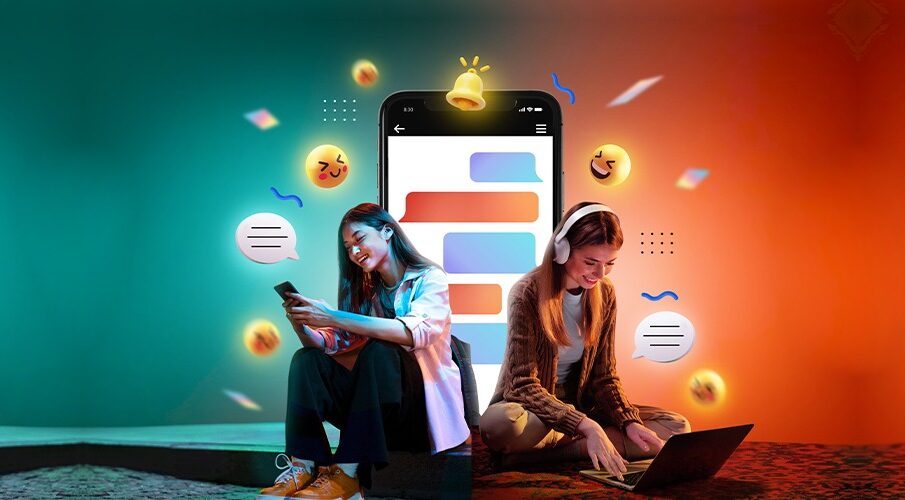
Have you noticed how often people now choose restaurants based on Instagram photos, follow fashion trends from TikTok, or use Facebook groups to find local events and advice? Social Media has changed daily life in the UK in ways that would have seemed impossible twenty years ago. It affects how people communicate, shop, work, eat, travel, date, and even think about themselves.
In the past, British lifestyle culture was influenced mainly by television, newspapers, radio, and word of mouth. Today, a viral video can influence fashion sales overnight. A restaurant can become fully booked after one TikTok review. A small local creator can build a nationwide audience from a bedroom in Manchester or Birmingham.
This cultural change did not happen suddenly. It developed gradually as smartphones became cheaper, internet access improved, and platforms such as Instagram, TikTok, Facebook, YouTube, and X became part of everyday routines.
Today, social media is no longer just entertainment. It has become deeply connected to UK lifestyle culture. From food habits to beauty standards, and from activism to family relationships, its influence can be seen almost everywhere.
The Rise of Digital Lifestyle Culture in the UK
British culture has always adapted to new technology. However, social media created a much faster and more personal form of influence. Instead of waiting for magazines or television programmes, people now receive lifestyle inspiration instantly through their phones.
According to data from Ofcom, adults in the UK spend several hours online daily, with social platforms taking a large share of that time. Younger audiences often use social apps as their main source of entertainment, news, shopping inspiration, and communication.
This constant online connection changed how trends spread. In earlier decades, fashion trends could take months to move from London into smaller cities. Now, a trend can spread across the country within hours.
At the same time, social media gave ordinary people influence that once belonged only to celebrities and broadcasters. A student posting skincare reviews can build an audience larger than some magazines. A food creator filming recipes at home can influence supermarket sales.
As a result, lifestyle culture in the UK became more digital, more visual, and much faster moving.
How Social Media Changed Fashion in the UK
Fashion is one of the clearest examples of social media’s influence on British culture. Many people no longer rely on traditional fashion magazines for style inspiration. Instead, they follow influencers, creators, stylists, and celebrities online.
Platforms like Instagram and TikTok turned fashion into a daily conversation. Outfit videos, styling tutorials, and trend breakdowns became extremely popular. British fashion brands quickly adjusted their marketing strategies because online visibility became essential.
Fast fashion also grew rapidly because trends moved faster online. Retailers could react quickly when a style became popular on TikTok or Instagram. Within days, similar products often appeared online and in stores.
At the same time, there has also been a growing interest in sustainability. Social media users in the UK now openly discuss ethical fashion, second hand shopping, and clothing waste. Apps such as Depop became popular among younger consumers who want affordable and vintage clothing.
This created two opposite trends at once. Some users buy more clothes because online culture encourages constant new looks. Others became more conscious about overconsumption because creators speak openly about sustainability.
Therefore, social media did not simply change fashion trends. It changed how people think about clothing itself.
The Restaurant and Food Culture Transformation
Food culture in the UK changed dramatically because of social media. Restaurants now design dishes that photograph well. Cafés pay close attention to presentation, lighting, and interior design because customers often post photos online.
Many restaurants gained popularity through viral videos instead of traditional advertising. A short TikTok clip showing melted chocolate desserts or loaded burgers can attract huge crowds within days.
Consumers also became more adventurous. Social media exposed people to foods from different cultures and regions. Korean corn dogs, Japanese soufflé pancakes, bubble tea, and viral pasta recipes became popular partly because of online content.
Review culture changed too. People now check Instagram, TikTok, and Google reviews before visiting restaurants. Visual proof matters. Customers want to see the food, atmosphere, and real experiences before spending money.
Food influencers also changed public expectations. Some diners now look for experiences rather than just meals. Restaurants with unique interiors, themed menus, or dramatic presentations often receive more attention online.
However, there are downsides. Some restaurant owners in the UK have complained that customers spend more time taking photos than enjoying meals. Others feel pressure to constantly create “viral” menu items to stay relevant. Even so, social media has permanently changed British food culture. Dining out is now closely linked to online sharing.
The Influence on Beauty Standards and Self Image
One of the most discussed effects of social media involves beauty standards. Filters, edited photos, and influencer culture changed how many people in the UK view appearance and self image.
Beauty trends now move rapidly online. Skincare routines, makeup tutorials, cosmetic procedures, and fitness advice receive millions of views daily. Influencers often introduce products that sell out quickly after viral recommendations.
The UK beauty industry adapted quickly. Cosmetic brands increasingly work with creators instead of relying only on television adverts. Smaller beauty businesses also gained opportunities because viral exposure can create sudden demand.
However, experts and mental health organisations raised concerns about unrealistic beauty standards online. Studies from organisations including Mental Health Foundation UK have discussed the relationship between social media use and anxiety, especially among younger users.
Many people compare themselves to edited images online. This can affect confidence and emotional wellbeing. Teenagers are particularly vulnerable because online validation often becomes tied to self esteem.
At the same time, social media also encouraged body positivity and inclusivity. Many creators now challenge unrealistic standards by posting unedited photos and discussing mental health openly.
As a result, social media created both empowerment and pressure. It gave people new ways to express themselves, yet it also increased appearance related anxiety for many users.
Read More: How Social Media is Shaping Modern Humor
How Social Media Changed Relationships and Communication
Communication in the UK looks very different today compared to the early 2000s. Families, friendships, and romantic relationships are now heavily influenced by online interaction.
Messaging apps and social platforms made communication faster and more convenient. People stay connected across cities and countries with ease. Family members share photos instantly. Friends communicate daily through group chats and memes.
Dating culture also changed significantly. Apps and social platforms introduced new ways to meet people. Online communication often happens before face to face interaction.
At the same time, social media changed social behaviour itself. Many people now document life events online, from birthdays to engagements and holidays. Sharing experiences publicly became normal for millions of users.
However, constant connectivity also created challenges. Some people feel pressure to remain available online at all times. Others experience relationship issues linked to jealousy, online attention, or excessive screen time.
Digital communication is convenient, yet many experts believe face to face interaction has become less frequent in some situations. This is especially noticeable among younger age groups. Still, there is no doubt that social media redefined modern communication in Britain.
The Rise of Influencer Culture
Influencers became one of the most powerful parts of modern UK lifestyle culture. Brands now spend large marketing budgets working with creators who have loyal audiences online.
Unlike traditional celebrities, influencers often appear more relatable. Followers watch their routines, homes, shopping habits, and personal opinions daily. This creates stronger emotional connections.
Influencer marketing affects nearly every industry in the UK. Fashion, beauty, travel, fitness, food, technology, and finance creators now influence consumer behaviour.
For example, a travel influencer posting about a countryside hotel can increase bookings immediately. A skincare recommendation can lead to products selling out online within hours.
This also changed career ambitions among younger people. Many teenagers and young adults now see content creation as a serious profession. According to surveys conducted by UK education and career organisations, influencer careers have become increasingly attractive to younger generations.
Yet influencer culture also created concerns about authenticity. Paid partnerships are not always obvious. Some users feel social media encourages unrealistic lifestyles and excessive consumerism. Despite criticism, influencer culture remains deeply connected to British lifestyle habits and spending patterns.
How Social Media Changed News and Public Opinion
Social media became a major source of news in the UK. Many people now discover breaking stories through platforms before television channels report them.
This changed public discussion dramatically. News spreads faster, but misinformation spreads quickly too. Viral posts often influence public opinion before facts are fully verified.
Political discussions became more intense online. Campaigns, protests, and social movements now depend heavily on digital visibility.
Movements related to climate action, racial equality, and women’s rights gained large online audiences across Britain. Social media helped people organise events, raise awareness, and share personal experiences.
At the same time, online arguments and misinformation became major problems. False stories can spread rapidly through shares and reposts. Therefore, social media increased access to information while also creating challenges around trust and accuracy.
Shopping Habits and Consumer Behaviour
Shopping in the UK changed enormously because of social media. Consumers no longer depend only on television adverts or store displays. They now discover products through creators, reviews, and viral trends.
Social commerce became extremely important. Many users purchase products directly after seeing them online. TikTok especially influenced impulse buying culture.
Small businesses benefited greatly from this change. Independent UK brands can now reach large audiences without huge advertising budgets. Handmade products, local food businesses, and niche fashion brands often grow through social media exposure.
Live shopping streams, affiliate links, and influencer recommendations also became normal parts of online retail culture.
However, consumer habits became more emotional and trend driven. People are often encouraged to buy products quickly because trends move fast online. As a result, social media transformed both advertising and consumer psychology.
How Social Media Influenced UK Travel and Leisure
Travel decisions in the UK are increasingly influenced by social media content. Many people choose destinations after seeing videos, photos, or creator recommendations online.
Hidden cafés, countryside retreats, luxury hotels, and beach locations often become popular after viral exposure. Weekend trips and staycations gained visibility through platforms such as Instagram and TikTok. Tourism businesses adapted quickly. Hotels now create photo friendly spaces because visual marketing attracts online attention.
Experiences also became more important than material possessions for many younger users. Concerts, festivals, and travel experiences are frequently shared online as part of personal identity. This has changed leisure culture across the UK. Experiences are no longer private moments alone. They are often part of online storytelling.
The Future of Social Media and UK Lifestyle Culture
Social media will continue influencing British culture for years to come. Artificial intelligence, virtual reality, and creator based economies are already changing how platforms operate.
Short video content continues to dominate attention online. At the same time, concerns about misinformation, privacy, online safety, and mental health are becoming more serious.
The UK government and technology companies continue discussing regulation, especially regarding children’s safety online.
Meanwhile, users are becoming more aware of how algorithms influence behaviour, opinions, and spending habits.
Future social media culture may become more balanced as people seek healthier relationships with technology. Authenticity, transparency, and digital wellbeing are becoming increasingly important to users.
Conclusion
Social media changed UK lifestyle culture in almost every possible way. It transformed fashion, food, communication, shopping, travel, beauty standards, and entertainment. It created opportunities for businesses and creators while also introducing challenges linked to mental health, misinformation, and online pressure.
The influence of Social Media is now deeply connected to everyday British life. People communicate differently, spend differently, and even see themselves differently because of digital platforms.
Yet the story is not entirely positive or negative. Social media brought convenience, creativity, connection, and opportunity. At the same time, it introduced comparison culture, digital fatigue, and fast moving trends that can feel overwhelming.
What remains clear is this: social media is no longer just a tool people use occasionally. It has become part of modern UK identity and lifestyle culture itself.




Leave a reply


 #mirandapriestly #thedevilwearsprada2 #merylstreep #annehathaway #emilyblunt00:19
 #OzzyOsbourne and #SharonOsbourne on The Ellen DeGeneres Show #theprimemag01:00
 Remember when #LeBron James faked out the entire team like they were standing still #lebronjames00:10
 That didn’t take long #nba #nbabasketball #basketball #shaq #theprimemag00:30
 It seems that Mr. Bridgerton is not the only one swept up in a romance#bridgerton #bridgertonseason400:23
 Mr and Mrs Bridgerton #bridgerton #penelope #theprimemag00:07
 That classic sibling energy where "I’m sorry" actually means "I’m going to do it again #zendaya00:19
 The groom is here #robertpattinson #thedrama #edwardcullen #moviepremiere #funnymoment00:36
 #rihanna and #asaprocky looking great in #paris #theprimemag00:20
 #ElizabethOlsen and #AnthonyMackie on the red carpet00:09
 #SelenaGomez stepped out for the Rare Beauty Matte Foundation launch on Thursday00:17
 #cardib performance yesterday in #vegas #Valentines2026 #lustremagazine00:11
 #CardiB #WholesomeChaos #ProtectTheCrow #FunnyMoment #CelebrityMoments00:07
 They never told you about this Golden Globes gaffe with #JenniferLopez and #JeremyRenner00:11
 #bridgerton #netflix #trending #viral #misspossy #bridgertonseason401:17
 He definitely got it🤩🔥#onechallenge #thewoahchallenge #tiktok #dancetrends #hiphop #dancers00:18
 Oh No! 😂 #funny #relatable #trending #memes00:08
 #LeBron has made a major impact off the court his commitment to education and his community01:01
 😂😂 #memes #baby #fun #funny #trending00:08
 The only time #Shaq really went one-on-one with #LeBron #shaquilleoneal #lebronjames00:29
 Shaq did this on live tv… 😂 #shaq #insidethenba #charlesbarkley #shaquilleoneal #nba00:17
 You just know Kendrick’s heart dropped before he laughed 😭 #shaq #ShaquilleO’Neal00:10
 #nickiminaj or #cardib . That’s a tough one for #50cent 😂00:13
 #sofiavergara in #ModernFamily: #Sofía #Sitcom #FamilyComedy #funny #TVSeries01:00
 #SofíaVergara when asked about arrest on #TheEllenDeGeneresShow 😂00:20


Welcome to The Prime Magazine, a modern UK entertainment and lifestyle publication spotlighting culture, creativity, experiences, and the conversations shaping today’s generation.


