
Miami Festival Closes 43rd Edition with Expanded Screenings
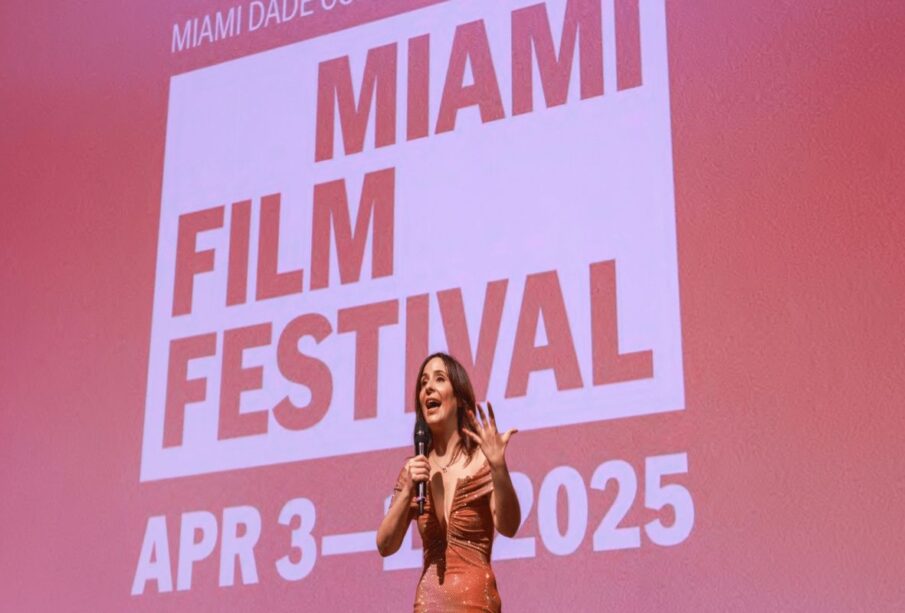
The Miami Festival concluded its 43rd edition after eleven days of screenings, events, and guest appearances across Miami, Miami Beach, and Coral Gables. The annual event brought together international cinema within a coastal setting. It presented narrative features and documentaries alongside filmmaker talks and tributes.
Moreover, it offered audiences direct access to conversations with directors, actors, and industry guests. Throughout the programme, organisers focused on creating a steady audience flow and clear viewing schedules. As a result, screenings ran across multiple venues with improved coordination.
The festival also strengthened its position as a meeting point for both established and emerging filmmakers. In addition, it maintained a relaxed atmosphere that encouraged attendance across different age groups and interests.
This year, organisers added an extra day to reduce scheduling conflicts and improve viewing options. Consequently, audiences gained more flexibility when choosing films. They also experienced fewer overlaps between screenings. According to organisers, this adjustment improved attendance across several venues.
Furthermore, it allowed more films to screen without time clashes. The expanded schedule also encouraged repeat visits from attendees who wanted to watch multiple titles. Meanwhile, venues across the city recorded stronger turnout.
These included both daytime and evening sessions. In addition, the extended format helped distribute crowds more evenly across locations. Therefore, audiences moved between screenings with greater ease and comfort.
Stars, Screenings and Programming Strategy
Executive director James Woolley said the festival attracts both well known directors and rising filmmakers. He explained that the event maintains a relaxed environment near the beach, which appeals to guests and audiences alike.
Moreover, he noted that spreading screenings across more days reduces scheduling conflicts. As a result, viewers attend more films without difficulty.
Venues such as the historic Olympia Theater and the Adrienne Arsht Center for the Performing Arts hosted packed screenings and discussions. Furthermore, Woolley observed that audiences responded positively throughout the festival.
He added that most sessions recorded strong attendance. Consequently, the festival continued to build steady engagement with returning guests and new viewers.
Programming director Lauren Cohen explained that film selection often aligns with upcoming theatrical releases. In addition, she said this approach brings filmmakers to Miami during key promotional periods. For example, films such as Normal, starring Bob Odenkirk, and Hokum, featuring Adam Scott, screened before major press tours began.
Moreover, the festival hosted Danielle Brooks, Lili Reinhart, Matt Bomer, and Sonia Manzano. Notably, Manzano received an Impact Award for her long running role on Sesame Street.
She said the recognition felt meaningful, especially with strong support from the Latin community. Furthermore, guest appearances encouraged post screening discussions between audiences and filmmakers.
The festival also highlighted Latin American storytelling across several regions. It featured films from Cuba, Argentina, Peru, Uruguay, and Spain. In particular, Cuban programming included documentaries such as Revolution’s Daughter.
The film follows Alina Fernández Revuelta, daughter of Fidel Castro. She attended the Miami premiere and spoke during a post screening discussion. Moreover, she reflected on her personal journey and Cuba’s political history.
Organisers credited programmer Alejandro Ríos for strengthening the Cuban film section. As a result, the segment continued to draw consistent community interest. In addition, it maintained strong attendance across screenings. The festival therefore served as a platform for cultural expression and regional storytelling.
The Miami Festival closed with an 80th birthday tribute to director John Waters. This event marked a celebratory end to the eleven day programme. Furthermore, organisers said the combination of screenings, guest appearances, and audience participation sets the festival apart from larger events.

Leave a reply


 That didn’t take long #nba #nbabasketball #basketball #shaq #theprimemag00:30
 It seems that Mr. Bridgerton is not the only one swept up in a romance#bridgerton #bridgertonseason400:23
 Mr and Mrs Bridgerton #bridgerton #penelope #theprimemag00:07
 That classic sibling energy where "I’m sorry" actually means "I’m going to do it again #zendaya00:19
 The groom is here #robertpattinson #thedrama #edwardcullen #moviepremiere #funnymoment00:36
 #rihanna and #asaprocky looking great in #paris #theprimemag00:20
 #ElizabethOlsen and #AnthonyMackie on the red carpet00:09
 #SelenaGomez stepped out for the Rare Beauty Matte Foundation launch on Thursday00:17
 #cardib performance yesterday in #vegas #Valentines2026 #lustremagazine00:11
 #CardiB #WholesomeChaos #ProtectTheCrow #FunnyMoment #CelebrityMoments00:07
 They never told you about this Golden Globes gaffe with #JenniferLopez and #JeremyRenner00:11
 #bridgerton #netflix #trending #viral #misspossy #bridgertonseason401:17
 He definitely got it🤩🔥#onechallenge #thewoahchallenge #tiktok #dancetrends #hiphop #dancers00:18
 Oh No! 😂 #funny #relatable #trending #memes00:08
 #LeBron has made a major impact off the court his commitment to education and his community01:01
 😂😂 #memes #baby #fun #funny #trending00:08
 The only time #Shaq really went one-on-one with #LeBron #shaquilleoneal #lebronjames00:29
 Shaq did this on live tv… 😂 #shaq #insidethenba #charlesbarkley #shaquilleoneal #nba00:17
 You just know Kendrick’s heart dropped before he laughed 😭 #shaq #ShaquilleO’Neal00:10
 #nickiminaj or #cardib . That’s a tough one for #50cent 😂00:13
 #sofiavergara in #ModernFamily: #Sofía #Sitcom #FamilyComedy #funny #TVSeries01:00
 #SofíaVergara when asked about arrest on #TheEllenDeGeneresShow 😂00:20
 #Steve Harvey and #shaq on an episode of Family Feud #funny #theprimemag00:57
 #CillianMurphy fake laugh became the focus of the conversation on Jimmy Kimmel Live #theprimemag00:15
 Moment #KatyPerry surprised Benjamin Glaze with a kiss during his American Idol 2018 audition00:37


The Prime is a dynamic publication delivering the latest in entertainment, lifestyle, culture, sports and world news, bringing sharp insight, fresh perspectives and stories that matter to a global audience.