
6 Foods to Eat for Better Sleep
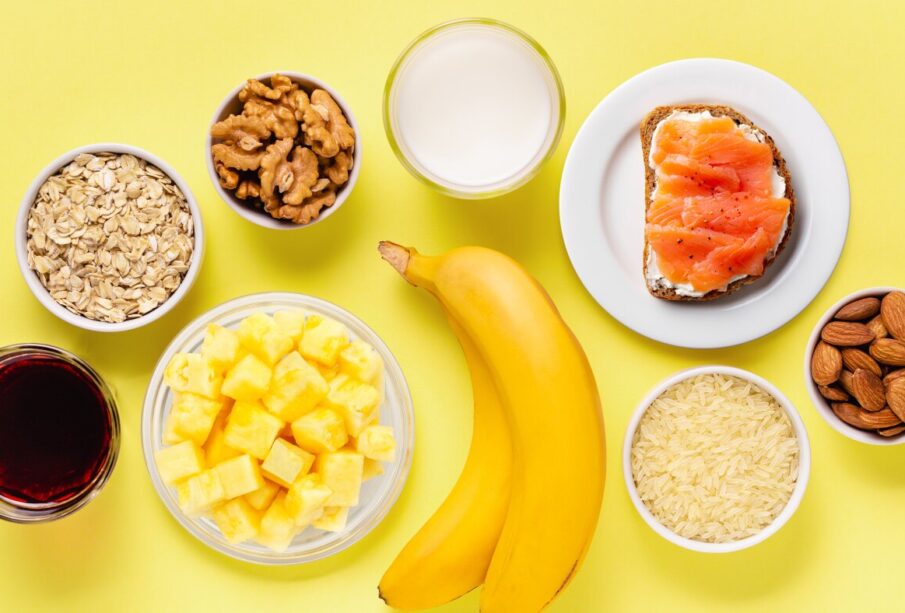
Food to help you fall asleep easily and quickly, top view.
Sleep affects every part of daily life, from focus to mood and even how the body repairs itself at night. One of the most overlooked ways to support rest is through diet. The idea of foods to eat for better sleep is becoming more important because what you eat in the evening can either calm your system or keep your body alert longer than you want.
Many people struggle with restlessness at night without realizing that their food choices may be part of the reason. When you understand foods to eat for better sleep, it becomes easier to build evening habits that support deep and steady rest.
Choosing the right meals at the right time can gently guide your body toward relaxation and improve how you feel the next morning. Good sleep is not only about closing your eyes. It is about helping your body and mind slow down in a natural way.
Food plays a quiet but powerful role in this process, especially when it contains nutrients that support relaxation, balance hormones, and stabilize the nervous system.
How Food Influences Night Rest
The body runs on chemicals that respond directly to what you eat. Some foods increase alertness, while others support calmness. At night, the body naturally produces melatonin, a hormone that guides sleep cycles. Certain nutrients help this process, especially magnesium, tryptophan, calcium, and vitamin B6.
When meals are heavy, spicy, or high in sugar close to bedtime, digestion becomes active when the body should be slowing down. This can delay rest and reduce sleep quality. On the other hand, light meals that contain the right nutrients can support a smoother transition into sleep.
The timing of food also matters. Eating too late can keep the digestive system active, while eating too early without proper nutrients can lead to hunger during the night. Balance is important.
Understanding foods to eat for better sleep helps you see food not just as fuel, but as part of your nightly recovery process. When chosen carefully, food becomes a natural support system for calm evenings and deeper rest.
Six Foods that Support Deeper Sleep
Certain foods have been studied for their natural ability to support relaxation and improve sleep quality. These foods are not magical solutions, but they contain nutrients that help the body prepare for rest.
1. Milk
Milk is one of the most well known sleep friendly drinks. It contains tryptophan and calcium, both of which support the production of melatonin. Warm milk in the evening can also have a calming effect on the mind, especially when taken as part of a routine.
Many people who include milk in their list of foods to eat for better sleep notice that it helps them feel more relaxed before bed. It works best when taken warm and not sweetened heavily, as sugar can reduce its calming effect.
2. Bananas
Bananas are rich in magnesium and potassium, which help relax muscles and calm nerve activity. They also contain vitamin B6, which supports the production of sleep related hormones.
Eating a banana in the evening can reduce feelings of restlessness in the body. It is light, easy to digest, and does not put stress on the stomach. This makes it a simple option for anyone building a sleep friendly diet.
3. Oats
Oats are a gentle source of complex carbohydrates. They help the brain use tryptophan more effectively, which supports the production of serotonin and melatonin. Oats also contain small amounts of melatonin naturally.
A warm bowl of oats in the evening can create a feeling of fullness without heaviness. Among foods to eat for better sleep, oats stand out because they support both comfort and steady energy release that does not disrupt rest.
4. Almonds
Almonds contain magnesium, healthy fats, and a small amount of melatonin. Magnesium is especially important because it helps relax muscles and supports a calm nervous system.
A small handful of almonds in the evening can help reduce tension in the body. They are also filling, which helps prevent late night hunger that may disturb sleep.
5. Chamomile Tea
Chamomile tea is widely known for its calming properties. It does not contain caffeine, and it includes compounds that may support relaxation in the brain.
Drinking chamomile tea before bed can help signal to the body that it is time to slow down. It is often used as part of bedtime routines because of its gentle effect on both mind and body.
6. Cherries
Cherries, especially tart cherries, contain natural melatonin. This makes them one of the few fruits that directly support sleep hormones.
A small serving of cherries or cherry juice in the evening can improve sleep quality for some people. When included in foods to eat for better sleep, cherries are valued for their natural ability to support the sleep cycle without added ingredients.
Best Timing and Ways to Eat These Foods
Eating for better sleep is not only about what you consume but also when and how you consume it. Timing plays a major role in how the body responds.
It is best to eat sleep supportive foods about one to two hours before bed. This gives the body enough time to digest without interfering with rest. Heavy meals close to bedtime should be avoided because they can keep the digestive system active.
Warm foods tend to have a more calming effect than cold ones. For example, warm milk or warm oats can help the body relax faster. Light snacks are better than large meals at night.
Hydration also matters. While drinks like chamomile tea can support relaxation, drinking too much liquid right before bed may cause frequent trips to the bathroom, which can disturb sleep.
When planning foods to eat for better sleep, it is helpful to keep portions small and simple. The goal is not to feel full, but to feel comfortable and relaxed.
Listening to your body is important. Some people may respond better to certain foods than others. Paying attention to how you feel after eating helps you build a personal routine that works best for you.
Simple Night Routine that Supports Better Sleep
Food works best when combined with a calm evening routine. A structured but simple routine can signal to the body that the day is ending.
Start by reducing bright screens at least one hour before bed. Light from screens can confuse the brain and delay the production of sleep hormones. Soft lighting in the evening helps the body prepare for rest.
A light snack from foods to eat for better sleep such as bananas or oats can be included in this period. Pairing food with calm activities like reading or quiet music can strengthen the sleep signal. Warm showers can also help relax the body. The drop in body temperature after a shower can make it easier to fall asleep.
Consistency is key. Going to bed at the same time each night helps regulate the body clock. Over time, the body begins to expect rest at a certain time, making sleep easier to achieve. Avoid stressful conversations or intense activities close to bedtime. The mind needs space to slow down.
By combining food choices, timing, and simple habits, sleep becomes more natural and less forced. The body responds well to rhythm and calm signals.
Sleep is deeply connected to daily choices, especially what you eat in the evening. When you consistently include foods to eat for better sleep in your routine, you give your body the nutrients it needs to relax and recover.
Small changes in diet and timing can create noticeable improvements in how quickly you fall asleep and how rested you feel in the morning. Good sleep is not about perfection. It is about steady habits that support your body in a gentle way.
If this guide helped you, share it with a friend or save it for later.



Leave a reply


 It seems that Mr. Bridgerton is not the only one swept up in a romance#bridgerton #bridgertonseason400:23
 Mr and Mrs Bridgerton #bridgerton #penelope #theprimemag00:07
 That classic sibling energy where "I’m sorry" actually means "I’m going to do it again #zendaya00:19
 The groom is here #robertpattinson #thedrama #edwardcullen #moviepremiere #funnymoment00:36
 #rihanna and #asaprocky looking great in #paris #theprimemag00:20
 #ElizabethOlsen and #AnthonyMackie on the red carpet00:09
 #SelenaGomez stepped out for the Rare Beauty Matte Foundation launch on Thursday00:17
 #cardib performance yesterday in #vegas #Valentines2026 #lustremagazine00:11
 #CardiB #WholesomeChaos #ProtectTheCrow #FunnyMoment #CelebrityMoments00:07
 They never told you about this Golden Globes gaffe with #JenniferLopez and #JeremyRenner00:11
 #bridgerton #netflix #trending #viral #misspossy #bridgertonseason401:17
 He definitely got it🤩🔥#onechallenge #thewoahchallenge #tiktok #dancetrends #hiphop #dancers00:18
 Oh No! 😂 #funny #relatable #trending #memes00:08
 #LeBron has made a major impact off the court his commitment to education and his community01:01
 😂😂 #memes #baby #fun #funny #trending00:08
 The only time #Shaq really went one-on-one with #LeBron #shaquilleoneal #lebronjames00:29
 Shaq did this on live tv… 😂 #shaq #insidethenba #charlesbarkley #shaquilleoneal #nba00:17
 You just know Kendrick’s heart dropped before he laughed 😭 #shaq #ShaquilleO’Neal00:10
 #nickiminaj or #cardib . That’s a tough one for #50cent 😂00:13
 #sofiavergara in #ModernFamily: #Sofía #Sitcom #FamilyComedy #funny #TVSeries01:00
 #SofíaVergara when asked about arrest on #TheEllenDeGeneresShow 😂00:20
 #Steve Harvey and #shaq on an episode of Family Feud #funny #theprimemag00:57
 #CillianMurphy fake laugh became the focus of the conversation on Jimmy Kimmel Live #theprimemag00:15
 Moment #KatyPerry surprised Benjamin Glaze with a kiss during his American Idol 2018 audition00:37
 #SelenaGomez and music producer #BennyBlanco00:13


The Prime is a dynamic publication delivering the latest in entertainment, lifestyle, culture, sports and world news, bringing sharp insight, fresh perspectives and stories that matter to a global audience.
