
Church in Wales Approves Permanent Same Sex Blessings
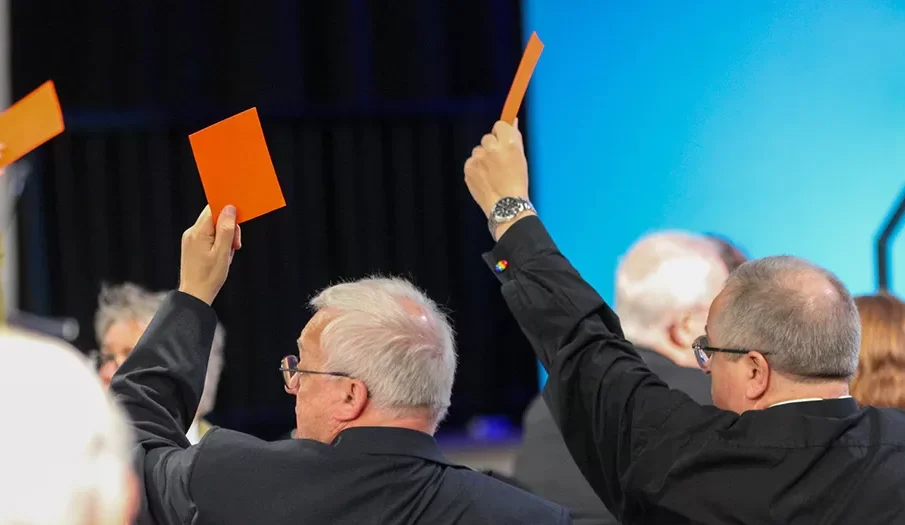
The Church in Wales has voted to approve permanent blessings for same sex couples. This decision marks a major change in how the church recognises and supports LGBTQ+ couples within its worship life.
The governing body approved the move after years of trial use and discussion. It allows couples in civil partnerships or marriages to receive a formal church blessing. However, the church will not conduct full marriage ceremonies for same sex couples.
Church leaders said they reached this decision after long reflection and wide engagement across the denomination. They noted that the trial period helped them understand how congregations responded to the service. As a result, they agreed to make the practice part of regular worship.
Overwhelming Support From Governing body
The governing body passed the motion with strong support from bishops, clergy, and lay members. Each group reached the required two thirds majority for approval. Lay members voted 48 in favour and eight against. Clergy voted 32 in favour and seven against, with a few abstentions. Bishops also gave unanimous support.
As a result, the church will now include the service in the Book of Common Prayer. This step formally places the blessing within standard worship practice. The church first introduced the blessing on a trial basis in 2021. That trial was expected to continue until 2026, but leaders chose to make it permanent earlier.
Church officials explained that they based the final decision on years of review, feedback, and consultation. They said they focused on pastoral care and the lived experiences of members.
Support and Opposition Voiced in Debate
During the debate, several senior leaders spoke in favour of the decision. The bishops of St Asaph and Llandaff stressed pastoral care. They pointed to emotional harm faced by some LGBTQ+ people who feel excluded from church life.
One bishop described cases where young people lost family support due to fear of rejection. He urged the church to avoid adding to such pain.
Other supporters said the trial service showed positive results. They argued that the church should value committed relationships. They also said the focus should remain on care and inclusion rather than exclusion based on sexuality. In addition, some clergy said the church should respond to real life experiences within its communities.
However, not all members agreed. Some clergy and lay representatives raised concerns about unity within the Anglican tradition. They warned that the decision could create disagreement with churches that hold traditional views on marriage. They also questioned whether the blessing service too closely resembles a marriage ceremony.
Critics argued that the decision conflicts with their reading of Christian teaching on marriage. They also expressed worry that it could increase tension within and beyond Wales. Despite these concerns, the motion still passed with strong majorities in all groups.
Wider Church Context and Future Questions
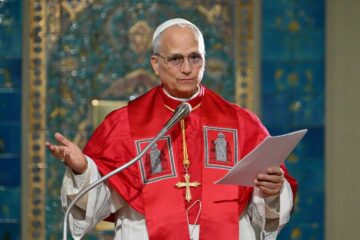
The decision highlights a clear difference between the Church in Wales and the Church of England, which has not approved a similar blessing service. Observers say this development may lead to further discussion about whether full same sex marriage could ever be introduced in the Church in Wales.
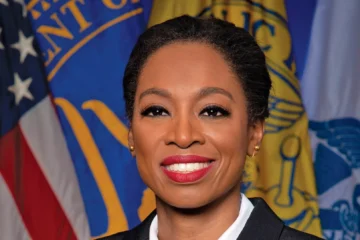
The church also continues to reflect on leadership and representation. In 2025, Cherry Vann became the first female and first openly LGBT plus Archbishop of Wales. She said she wants the church to reflect modern society and its diversity. Some conservative groups criticised her appointment, while others welcomed it as historic.
Church officials say they remain focused on pastoral care and unity within their communities. They continue discussions on doctrine and practice across different levels of church leadership.


Leave a reply


 It seems that Mr. Bridgerton is not the only one swept up in a romance#bridgerton #bridgertonseason400:23
 Mr and Mrs Bridgerton #bridgerton #penelope #theprimemag00:07
 That classic sibling energy where "I’m sorry" actually means "I’m going to do it again #zendaya00:19
 The groom is here #robertpattinson #thedrama #edwardcullen #moviepremiere #funnymoment00:36
 #rihanna and #asaprocky looking great in #paris #theprimemag00:20
 #ElizabethOlsen and #AnthonyMackie on the red carpet00:09
 #SelenaGomez stepped out for the Rare Beauty Matte Foundation launch on Thursday00:17
 #cardib performance yesterday in #vegas #Valentines2026 #lustremagazine00:11
 #CardiB #WholesomeChaos #ProtectTheCrow #FunnyMoment #CelebrityMoments00:07
 They never told you about this Golden Globes gaffe with #JenniferLopez and #JeremyRenner00:11
 #bridgerton #netflix #trending #viral #misspossy #bridgertonseason401:17
 He definitely got it🤩🔥#onechallenge #thewoahchallenge #tiktok #dancetrends #hiphop #dancers00:18
 Oh No! 😂 #funny #relatable #trending #memes00:08
 #LeBron has made a major impact off the court his commitment to education and his community01:01
 😂😂 #memes #baby #fun #funny #trending00:08
 The only time #Shaq really went one-on-one with #LeBron #shaquilleoneal #lebronjames00:29
 Shaq did this on live tv… 😂 #shaq #insidethenba #charlesbarkley #shaquilleoneal #nba00:17
 You just know Kendrick’s heart dropped before he laughed 😭 #shaq #ShaquilleO’Neal00:10
 #nickiminaj or #cardib . That’s a tough one for #50cent 😂00:13
 #sofiavergara in #ModernFamily: #Sofía #Sitcom #FamilyComedy #funny #TVSeries01:00
 #SofíaVergara when asked about arrest on #TheEllenDeGeneresShow 😂00:20
 #Steve Harvey and #shaq on an episode of Family Feud #funny #theprimemag00:57
 #CillianMurphy fake laugh became the focus of the conversation on Jimmy Kimmel Live #theprimemag00:15
 Moment #KatyPerry surprised Benjamin Glaze with a kiss during his American Idol 2018 audition00:37
 #SelenaGomez and music producer #BennyBlanco00:13


The Prime is a dynamic publication delivering the latest in entertainment, lifestyle, culture, sports and world news, bringing sharp insight, fresh perspectives and stories that matter to a global audience.
