
EU Approves Ukraine Loan Deal as Pipeline Restart Ends Deadlock
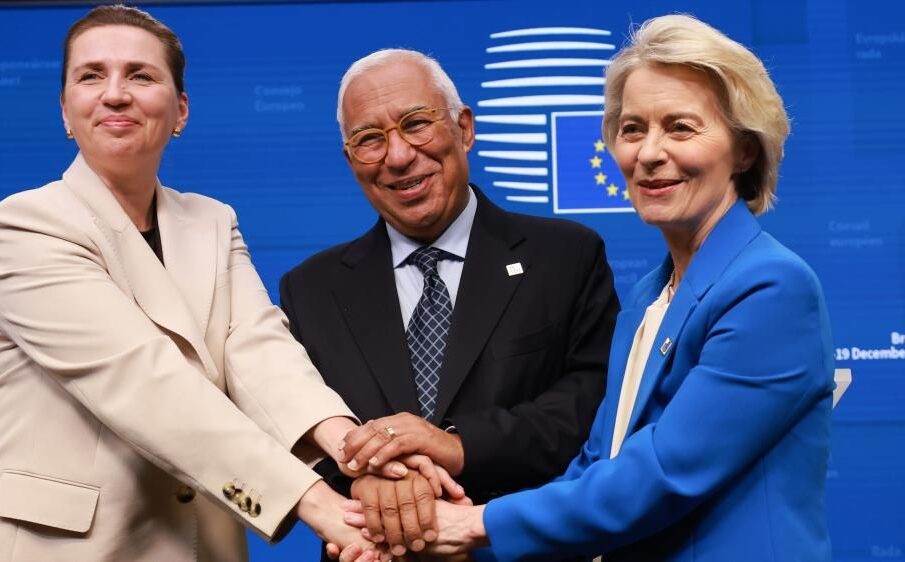
The European Union has approved a major Ukraine loan agreement after months of delay linked to energy disputes and political disagreements. First, EU ambassadors in Brussels gave early approval on Wednesday.
In addition, they backed a new sanctions package against Russia. The decision followed the restart of oil flow through a key pipeline that runs through Ukraine into Central Europe. As a result, leaders described the move as an important step forward in the long running talks over financial support for Ukraine.
The approval came after Ukraine confirmed that oil shipments resumed through the Druzhba pipeline. Previously, the system stopped after damage affected an oil facility in western Ukraine.
Afterwards, engineers repaired the infrastructure and restored operations. Consequently, oil now flows again into Hungary and Slovakia. Because of this, tensions within the European Union eased, and the stalled Ukraine loan process moved forward.
The pipeline restart followed weeks of disruption that raised concern across Central Europe. According to Ukrainian officials, a Russian strike damaged an oil hub in Brody. Even so, repair teams worked under difficult security conditions to restore service.
Once the system reopened, Hungary and Slovakia reported improved supply conditions. Moreover, energy companies confirmed that deliveries will rise over the coming days as operations stabilise.
Hungary played a key role in the earlier delay. Earlier this year, former Prime Minister Viktor Orbán blocked approval of the Ukraine loan. He argued that energy stability must come before financial support for Kyiv. As a result, EU leaders disagreed strongly, and negotiations stalled for months.
However, after oil flows resumed through the pipeline, Orbán signalled that he would no longer oppose the deal. Furthermore, his recent electoral loss created space for a new approach in Hungary’s EU relations.
EU foreign policy chief Kaja Kallas supported the approval. She stated that the Ukraine loan would help Ukraine sustain its economy during continued conflict with Russia. In addition, she said the funding would show clear European backing. S
imilarly, Ukrainian Deputy Prime Minister Taras Kachka welcomed the decision. He explained that Ukraine relies on the funds for national stability. He added that most of the money will support defence needs, while the rest will support state operations.
Meanwhile, energy officials in Slovakia confirmed that pipeline pressure returned to normal levels. Minister Denisa Sakova said oil deliveries would reach Slovakia shortly after operations restarted.
Likewise, Hungarian energy company MOL reported that it expects shipments within days. Therefore, both countries signalled a return to steady energy supply after weeks of uncertainty caused by the halted flow.
The European Commission described the agreement as a coordinated response to economic strain and energy disruption. In addition, officials said the Ukraine loan package will likely be signed in the coming days. However, they noted that disbursement will take several weeks due to administrative steps. Overall, the package is valued at about €90 billion and forms part of broader EU support for Ukraine.
At the same time, political changes in Hungary influenced the outcome. Viktor Orbán recently lost office after 16 years in power. As a result, analysts expect improved cooperation between Hungary and EU institutions under new leadership.
Finally, Ukrainian President Volodymyr Zelensky welcomed the decision. He said Ukraine continues to meet its obligations to European partners.
He also stated that approval of the Ukraine loan sends a strong message of unity. In conclusion, he stressed that continued cooperation remains necessary as Ukraine manages both economic and security needs.


Leave a reply


 That didn’t take long #nba #nbabasketball #basketball #shaq #theprimemag00:30
 It seems that Mr. Bridgerton is not the only one swept up in a romance#bridgerton #bridgertonseason400:23
 Mr and Mrs Bridgerton #bridgerton #penelope #theprimemag00:07
 That classic sibling energy where "I’m sorry" actually means "I’m going to do it again #zendaya00:19
 The groom is here #robertpattinson #thedrama #edwardcullen #moviepremiere #funnymoment00:36
 #rihanna and #asaprocky looking great in #paris #theprimemag00:20
 #ElizabethOlsen and #AnthonyMackie on the red carpet00:09
 #SelenaGomez stepped out for the Rare Beauty Matte Foundation launch on Thursday00:17
 #cardib performance yesterday in #vegas #Valentines2026 #lustremagazine00:11
 #CardiB #WholesomeChaos #ProtectTheCrow #FunnyMoment #CelebrityMoments00:07
 They never told you about this Golden Globes gaffe with #JenniferLopez and #JeremyRenner00:11
 #bridgerton #netflix #trending #viral #misspossy #bridgertonseason401:17
 He definitely got it🤩🔥#onechallenge #thewoahchallenge #tiktok #dancetrends #hiphop #dancers00:18
 Oh No! 😂 #funny #relatable #trending #memes00:08
 #LeBron has made a major impact off the court his commitment to education and his community01:01
 😂😂 #memes #baby #fun #funny #trending00:08
 The only time #Shaq really went one-on-one with #LeBron #shaquilleoneal #lebronjames00:29
 Shaq did this on live tv… 😂 #shaq #insidethenba #charlesbarkley #shaquilleoneal #nba00:17
 You just know Kendrick’s heart dropped before he laughed 😭 #shaq #ShaquilleO’Neal00:10
 #nickiminaj or #cardib . That’s a tough one for #50cent 😂00:13
 #sofiavergara in #ModernFamily: #Sofía #Sitcom #FamilyComedy #funny #TVSeries01:00
 #SofíaVergara when asked about arrest on #TheEllenDeGeneresShow 😂00:20
 #Steve Harvey and #shaq on an episode of Family Feud #funny #theprimemag00:57
 #CillianMurphy fake laugh became the focus of the conversation on Jimmy Kimmel Live #theprimemag00:15
 Moment #KatyPerry surprised Benjamin Glaze with a kiss during his American Idol 2018 audition00:37


The Prime is a dynamic publication delivering the latest in entertainment, lifestyle, culture, sports and world news, bringing sharp insight, fresh perspectives and stories that matter to a global audience.
